David Darchiashvili: The Irakli Kobakhidze–Bidzina Ivanishvili tandem must realize that the message should be: “The situation is serious!” By acknowledging this, everyone will see that the authorities are looking for a way out, while some form of dialogue should be sought by the opposing sides
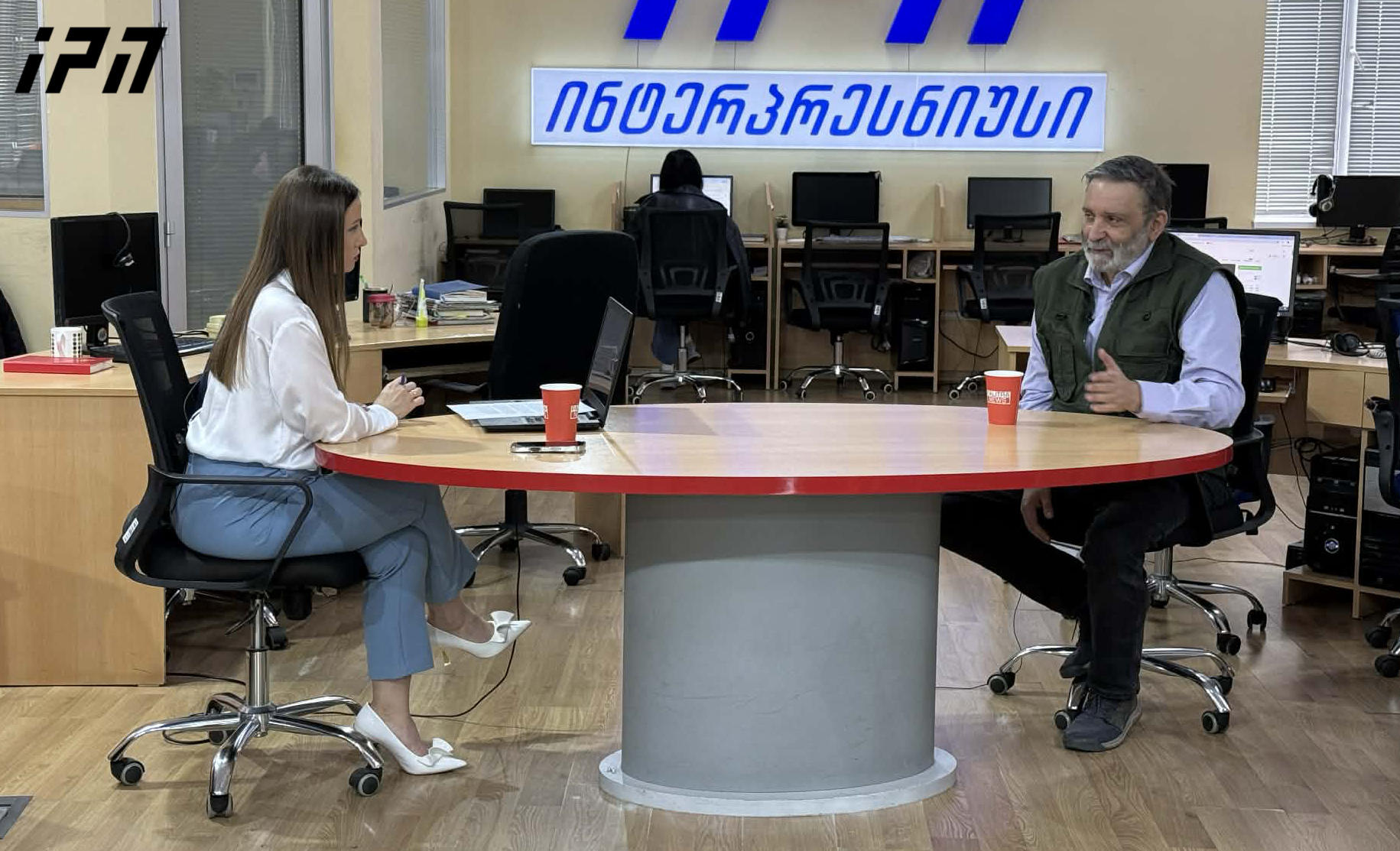
“By itself, I see no alternative to the opposing sides seeking some form of dialogue. Exactly how and under what circumstances this would happen is a separate issue. It is also not right that Charles Michel has become a kind of anecdote. Charles Michel did nothing wrong; he had nothing but good intentions,” said Ilia State University professor David Darchiashvili on the program “Day’s Newsroom” on PalitraNews.
He commented on the statement by Lelo – Strong Georgia calling for dialogue between the opposition and the government. According to Darchiashvili, he agrees with Lelo that the logic of mutual destruction should be overcome.
“I agree that the self-destructive logic should be overcome. But if this is followed by talk that we should now sit down at the table, then of course questions arise—who exactly is being referred to? The government shows no desire for this, and a large part of the opposition, which is stronger than Lelo, does not want it either. So will only Lelo sit at the table? And perhaps someone from the government will be sent there merely as a formality? These questions are legitimate. But the fact that representatives of opposing sides should seek some form of dialogue—I simply do not see an alternative to that.
The fact that Charles Michel has become a joke is also wrong. He did nothing harmful and had only good intentions. The process ultimately failed for several reasons, but that does not mean that somewhere, during some visit, perhaps in the presence of foreigners, someone—for example Nikoloz Samkharadze and someone from the other side—could not meet, look each other in the eye, and talk about certain issues. Ultimately, the current situation creates risks for everyone, first of all for the government,” Darchiashvili said.
Regarding the idea of an opposition alliance, he said that in a crisis situation the consolidation of the political spectrum is positive and logical, but it must be followed by an effective strategy and tactics, including both firm positioning and elements of dialogue.
Darchiashvili also spoke about the OSCE Moscow Mechanism.
“Our political system is such that the main issue damaging the country is what one person—Bidzina Ivanishvili—understands and how he interprets the situation. This is a decisive systemic mark for our country, one that will not be easy to remove even under a different political force in power.
We have created an image of the country in which, apparently, our perceptions of Georgia’s democratic potential in the world were exaggerated. I think Europeans, Americans, and others have such a feeling as well, and this is a major blow to our national interests.
The reality is what Ivanishvili himself thinks, how he understands the situation, and what his advisers tell him—because he himself is not a specialist in international law. Someone must advise him, and he must listen. The situation is truly alarming. The international community has already produced a text that is not only political and not merely recommendatory—it is also a mechanism that could lead to additional sanctions and even criminal cases against representatives of the Georgian government. This situation is very serious.
I agree with the view that Ivanishvili’s appearance at the recent meeting of the political council of Georgian Dream is a sign that he is nervous. Georgia is a country of rumors, and there are rumors that he is very anxious and angry about the situation.
The question is where this anger will lead—whether he will close himself off like the regime of Vladimir Putin, which does not care about international decisions, or whether he will realize that Georgia cannot afford the luxury of ignoring European law or saying that Europe does not matter and that money will simply come from Russia or Dubai. That is not the reality.
The Kobakhidze–Ivanishvili tandem must realize that the message should be: ‘The situation is serious.’ This must be said and acknowledged to the other side. This is the first step that must be taken. Acknowledging this would create greater readiness and understanding among opponents—within the opposition and civil society—that the authorities are concerned and are looking for a way out. At the same time, it would indirectly demonstrate the government’s willingness to make concessions,” Darchiashvili said.
He also commented on the case of former Deputy Economy Minister Romeo Mikaoutadze, who was found guilty on all charges—including money laundering and abuse of official authority—and sentenced to 10 years in prison.
According to Darchiashvili, the process reflects internal revenge within Georgian Dream.
“For some reason, it seems to be internal revenge, and these people end up appearing as political prisoners. Most likely they showed disloyalty or ambitions for their own political game, and therefore they were pushed against the wall. Another issue is that the authorities are trying to create an image of how incorruptible they are and show their own supporters that they will not forgive even the theft of a penny. But who believes that?” Darchiashvili said.