Carrefour CEO in Georgia: We use so-called cashback to reduce product prices so they become more affordable for our customers - 80% of it goes toward lowering the shelf price
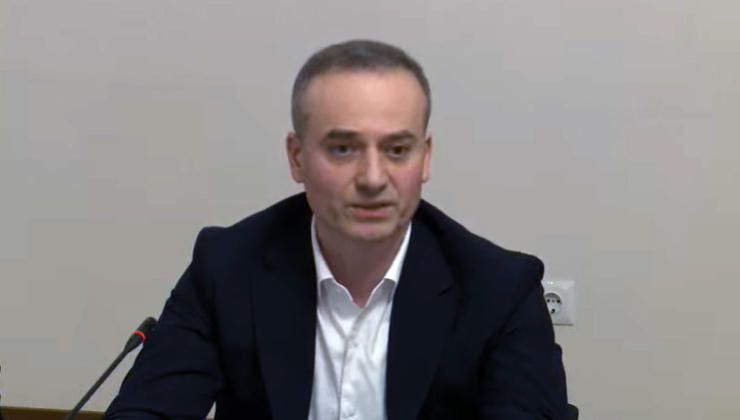
The so-called cashbacks, or “rebates,” are used to reduce product prices so that they become more accessible to customers. Eighty percent of these rebates directly goes toward reducing the shelf price, said the CEO of Carrefour in Georgia, David Karkashadze, while speaking at a session of the Parliamentary Commission on Product Price Regulation.
According to him, these rebates represent a service that Carrefour provides to suppliers, distributors, and manufacturers.
“Our company, Carrefour, entered the market in 2012. At that time, the organized retail market accounted for about 16%. When we entered the market, we introduced international standards by which retailers operate in organized markets.
Our commercial terms mainly consist of rebates, which here are known as so-called cashbacks. If translated directly, this is a price discount. There are two types of discounts: one can be reflected in the cost price of the product, or it may not be reflected in the cost price and instead appear as a separate line in the profit-and-loss statement. In Georgia today, the format in use is when this discount is not reflected in the product’s cost price.
In our case—and generally in retail—rebates serve two purposes. There are two types of rebates: one reflects the services that retailers provide to manufacturers or distributors. This may include placing products on shelves, managing assortments, brand promotion, and similar activities. That is one category of rebates. The second category includes rebates related to quantity or increased sales volume.
These rebates represent services that we provide to suppliers, distributors, and manufacturers. At the same time, we use them to reduce product prices and make them more affordable for our customers. As a result, 80% of these rebates goes directly toward lowering shelf prices.
Our total assortment reaches up to 40,000 items. To best protect consumer interests, we have identified ultra-sensitive and sensitive product baskets. These mainly include fast-moving and highly demanded products, for which we constantly monitor prices to ensure affordability for consumers.
These products include sugar, oil, buckwheat, pasta, bread, rice, and similar basic food items,” said David Karkashadze.