European Commission spokesperson: Georgia’s Foreign Minister pledged that no “shadow fleet” tanker will be allowed to enter the Kulevi port; we have also received additional commitments from SOCAR and are monitoring their implementation
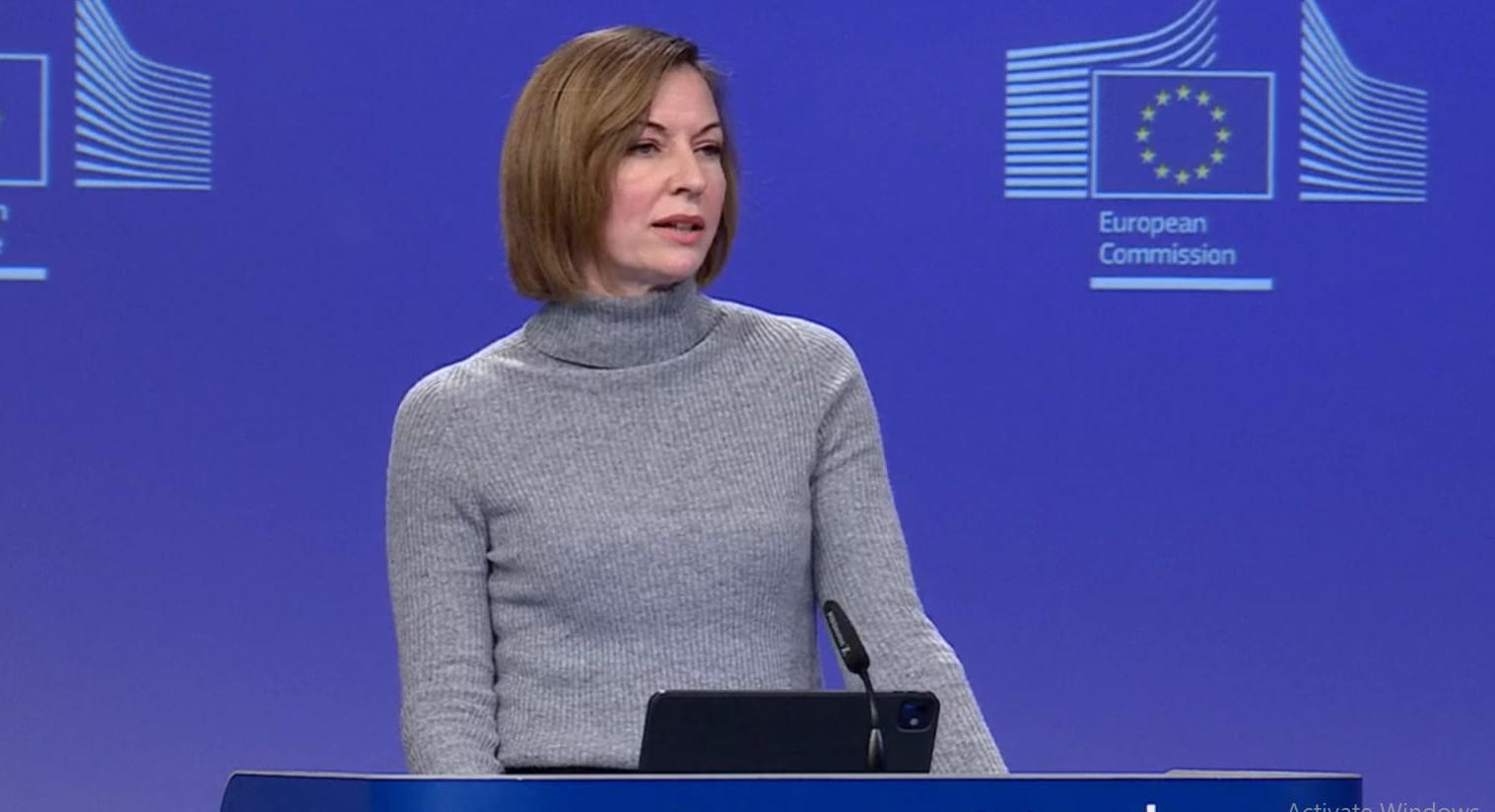
Siobhán McGarry, spokesperson for the European Commission, commented on the removal of Kulevi Oil Terminal from the sanctions list, saying the port had been identified due to its interaction with vessels from the so-called “shadow fleet.”
“The port had been identified because of its links with shadow fleet vessels and concerns that, through their visits, it could potentially be used for the re-export of Russian oil, which would constitute a violation of our sanctions,” McGarry said.
According to her, the EU received commitments from the authorities of Georgia that the activities causing concern would cease.
“Therefore, the EU sanctions envoy obtained a commitment from the Georgian authorities that all activities raising EU concerns would stop. Subsequently, Georgia’s Foreign Minister pledged that no shadow fleet tanker would be allowed to enter the port. We also received additional commitments from SOCAR, the Azerbaijani state-owned oil and gas company that operates the port.
As with all sanctions and potential cases of circumvention, we are monitoring the implementation of these commitments and will not hesitate to take additional measures if we see that actors are actively undermining the impact of our sanctions. The Georgian authorities confirmed that they will stop this re-export, and we will continue close monitoring to ensure that this also happens in practice,” the European Commission spokesperson noted.