Ahmed Alnuaimi - UAE Reaffirms National Readiness and Calls for Immediate End to Iran’s Unprovoked Attacks
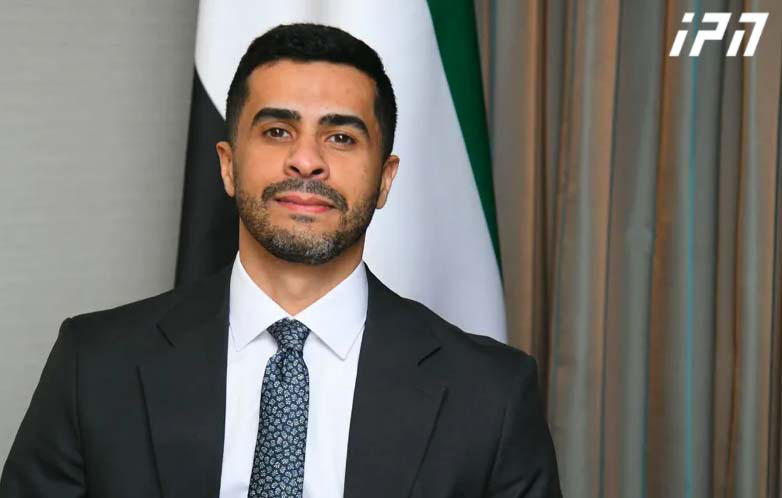
The UAE has responded to Iran’s unjustified, unprovoked, and irresponsible attacks with professionalism, resilience, and full national readiness. The UAE demands that these attacks cease immediately and unconditionally. At the same time, the UAE reserves its full right to respond in accordance with international law. This is the statement made by the Ambassador of the UAE to Georgia, Ahmed Alnuaimi, in an interview with InterpressNews.
According to the ambassador, the UAE's priorities are clear: protecting the safety and security of its citizens, residents, and visitors.
How does the air defense of the United Arab Emirates respond to attacks from Iran? How safe is the country for travelers, and how does he evaluate the global economic impact of the conflict — more in the interview…
First of all, what is the position of the United Arab Emirates regarding the war that has affected most countries in the Middle East?
The UAE condemns and denounces in the strongest terms Iran’s ballistic missile and drone attacks on the UAE and multiple countries in the region. The UAE reaffirms its full solidarity and unwavering support for the countries in the region affected by these attacks, emphasizing that any infringement on the sovereignty of any state constitutes a direct threat to the security and stability of the entire region.
In this regard, the UAE welcomes the adoption of UN Security Council Resolution 2817, which condemns in the strongest terms the unprovoked missile and drone attacks by the Islamic Republic of Iran against the UAE, fellow Gulf Cooperation Council (GCC) states, and Jordan, and demands that Iran cease these attacks immediately. The adoption of this historic resolution, co-sponsored by 136 countries, sends a clear and unified message that the international community will not tolerate attacks on our sovereignty or the deliberate targeting of civilians and critical infrastructure.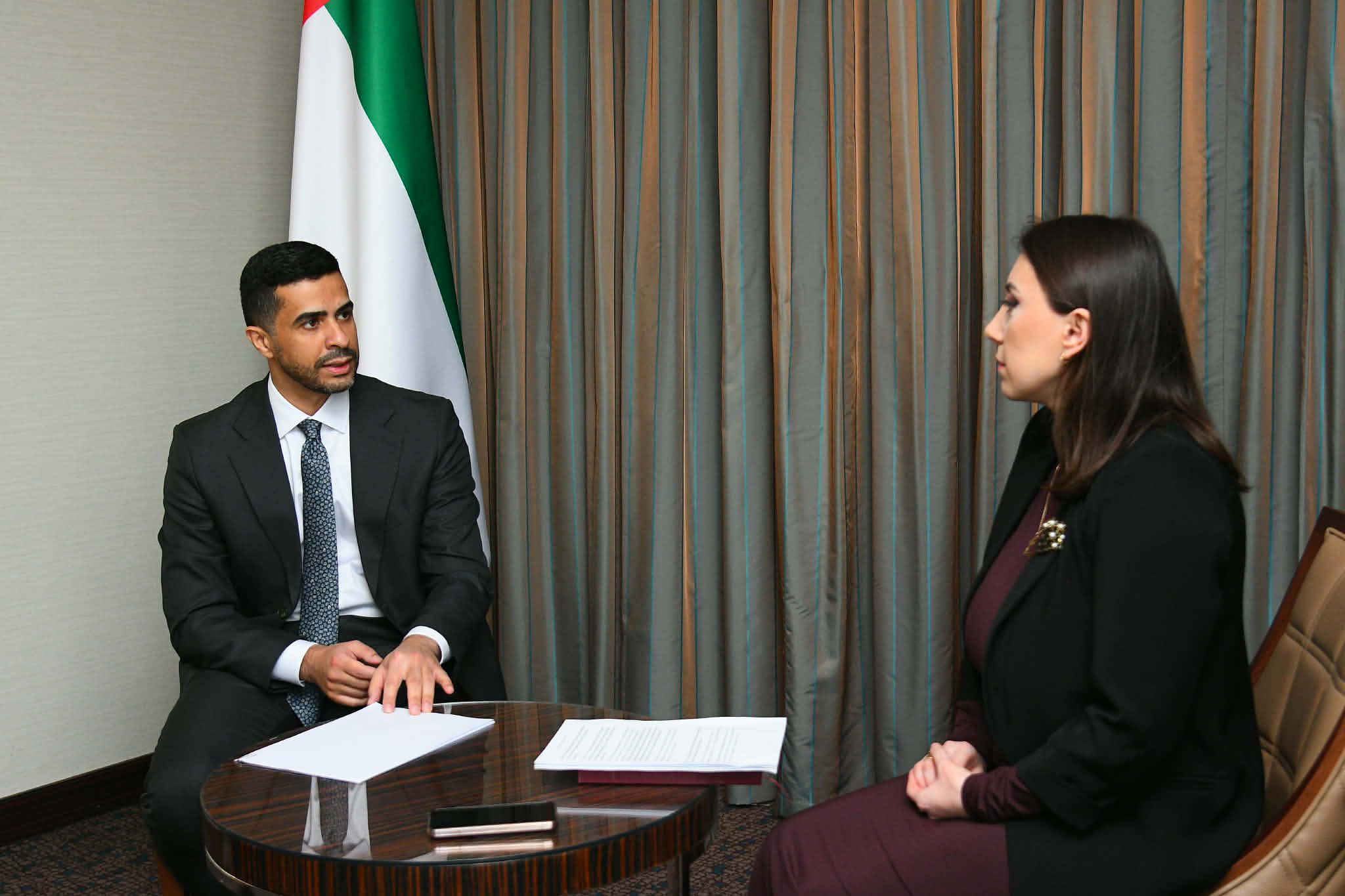
The resolution calls on Iran to comply fully with its obligations under international law, particularly regarding the protection of civilians and civilian objects in armed conflict, and to refrain from any threats or actions that undermine regional stability, freedom of navigation, and global economic security.
The UAE has responded to Iran’s unjustified, unprovoked, and irresponsible attacks with professionalism, resilience, and full national readiness. Our air defense systems have successfully intercepted the vast majority of more than 1,909 missiles and drones launched against our country, reflecting the strength and sophistication of our defensive capabilities.
Our priority is clear: protecting the safety and security of our citizens, residents, and visitors. National institutions are operating at the highest level of readiness, and authorities are working around the clock to ensure stability and continuity across the country.
At the same time, the UAE rejects any justification or pretext Iran has attempted to put forward for attacking countries of the region. These attacks represent a clear violation of international law and the sovereignty of states.
The UAE demands that these attacks cease immediately and unconditionally. Preventing further escalation must remain the priority. At the same time, the UAE reserves its full right to respond in accordance with international law, including Article 51 of the UN Charter.
Reports indicate that Iran’s attacks targeted not only military sites but also civilian infrastructure, including hotels. Has the number of casualties been clarified, and how did the UAE’s air defense respond to these attacks?
When hundreds of missiles and drones are launched targeting infrastructure and civilian sites, including airports, ports, tourism facilities, water desalination plants, and residential buildings, some debris can unfortunately fall despite successful interceptions. Tragically, these Iranian attacks have resulted in six fatalities with 141 individuals sustaining injuries. The UAE extends its sincere condolences to the families of the victims and wishes those injured a full and speedy recovery. Our President, His Highness Sheikh Mohamed bin Zayed Al Nahyan, has personally visited several of the injured in hospital, reaffirming that the safety and well-being of all residents remain at the heart of our national efforts.
Even in the face of these attacks, the security situation in the UAE remains stable and under control, with national institutions operating at the highest level of readiness, and the safety of citizens, residents, and visitors remaining our primary concern.
The UAE’s air defense systems responded with a very high level of efficiency, with the vast majority of incoming missiles and aerial threats successfully intercepted before reaching their targets. This performance reflects the technological sophistication and high operational capabilities of the UAE’s integrated multi-layered air defense systems, which combine long-, medium-, and short-range systems to counter a wide variety of aerial threats and provide comprehensive coverage of national airspace and civilian infrastructure.
The UAE reiterates that it remains fully prepared to address any threats and will take all necessary measures to firmly confront any actions that seek to undermine the country’s security and stability.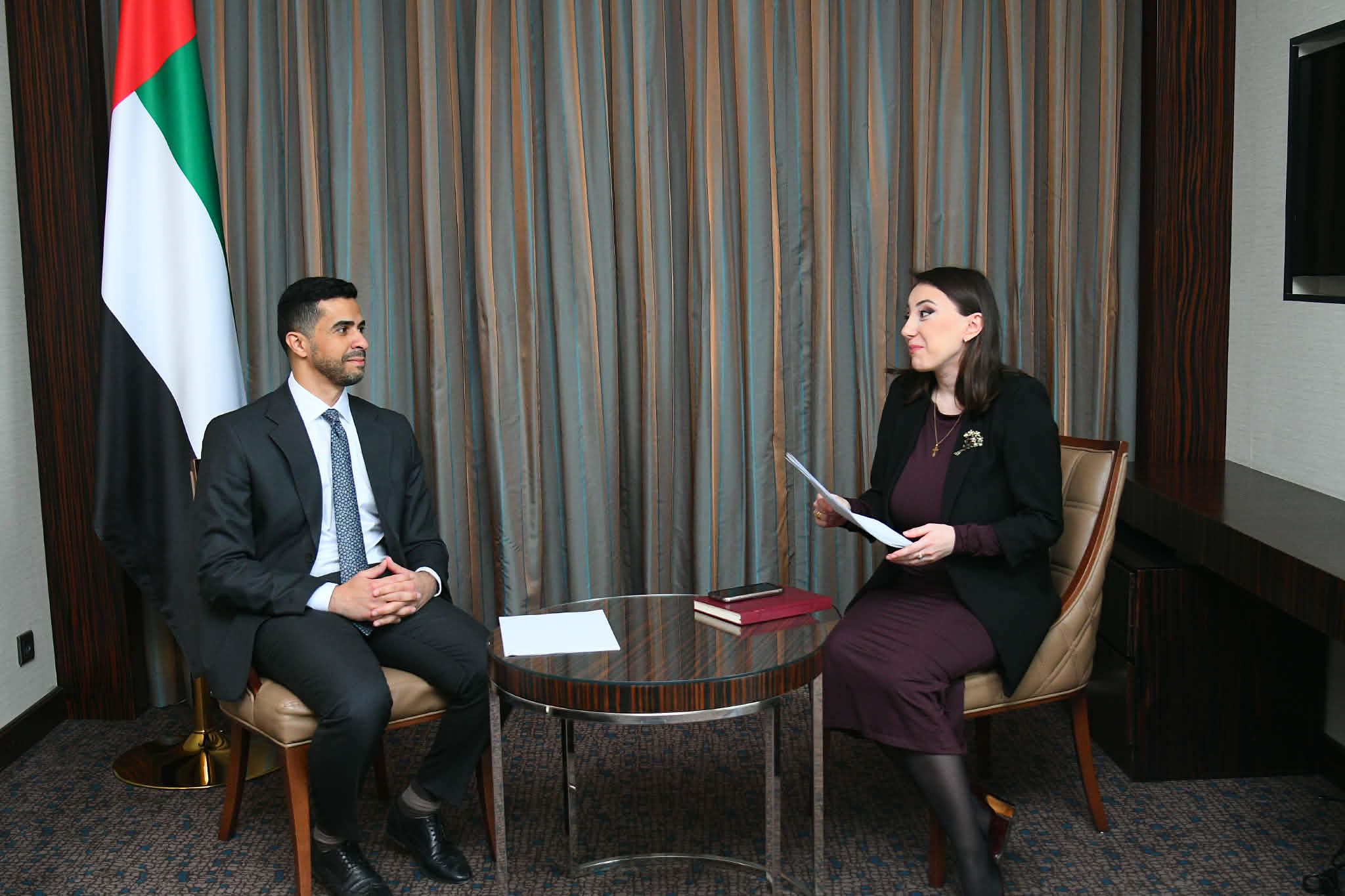
How many attacks have been intercepted by the UAE since the beginning of the conflict, including ballistic missiles and drones?
Since the beginning of Iran’s unprovoked attacks, the UAE has faced an unprecedented number of aerial threats – more than 1,909 missiles and drones.
A total of 294 ballistic missiles and 1,600 drones were detected, with the vast majority successfully intercepted by UAE air defenses. A limited number fell within UAE territory, causing mostly minor material damage.
This performance reflects the advanced technology and high operational readiness of the UAE’s integrated multi-layered air defense systems, which combine long-range, medium-range, and short-range systems to counter a wide variety of aerial threats and provide comprehensive coverage of national airspace.
The UAE stresses that it does not seek to be drawn into conflicts or escalation. However, the UAE reaffirms its full right to take all necessary measures to safeguard its sovereignty, national security, and territorial integrity, and to ensure the safety of its citizens and residents, in accordance with international law and Article 51 of the UN Charter.
We know that amid the ongoing military operations many flights have been postponed, while others have changed their air routes. Could you explain the situation in more detail, and how safe is it currently for travelers?
The UAE is home to more than 200 nationalities who live together in peace, safety, and harmony, and that spirit of openness and stability continues to define the country today.
The safety of travelers remains a top priority for the UAE. During periods of regional tension, aviation authorities may temporarily adjust flight routes or schedules as a precautionary measure, and this has occurred in a limited number of cases.
Airports across the country are operating again. While services are not yet fully back to normal, flights are taking off and the aviation sector remains active. Between 1 and 12 March alone, UAE airports have announced the handling of around 1.4 million passengers, including residents and tourists travelling to and from the country.
Over 15,000 temporary entry visas have been issued to allow passengers to remain safely in the UAE until onward travel resumes. Hotels have been asked to extend stays for visitors where necessary, while authorities are coordinating accommodation, logistical support, and travel arrangements.
The UAE has adapted quickly to ensure the continuity of essential services. Aviation operations continue under the highest international safety standards, and the UAE remains fully committed to ensuring the safety and well-being of all travelers.
The United Arab Emirates is one of the world’s most active tourist destinations. Has the conflict had any noticeable impact on tourism?
The UAE’s tourism sector continues to operate normally and efficiently. Across the country, there are more than 1,260 hotels and over 40,000 tourism-related companies, and hotels, resorts, attractions, and shopping centers remain open and welcoming visitors while fully adhering to safety and quality standards.
While a limited number of travelers experienced temporary disruptions due to changes in flight schedules, this has not affected the overall functioning of the tourism sector in the UAE. Authorities and the hospitality industry have worked closely together to ensure that all visitors receive the necessary support.
Essential services – including energy, water, telecommunications, transport, healthcare, and supply chains – continue to operate normally. The Ministry of Economy and Tourism has assured visitors that the sector remains fully operational, while Emirates has indicated that it expects to restore 100 percent of its global network within the coming days, subject to airspace availability and operational requirements. The UAE remains a safe and welcoming destination for international visitors.
War often has significant economic consequences. How resilient is the UAE economy, and what could be the broader global economic impact of the conflict?
The UAE economy continues to demonstrate resilience, supported by diversification, openness, and proactive policy frameworks. The UAE has adopted forward-looking economic strategies that enhance its capacity to absorb any geopolitical and economic pressures. The UAE has strengthened its economic and investment partnerships with vital markets around the world, and built a business environment that ranks among the most distinguished globally.
Our national supply chains and logistics systems continue to function smoothly. The UAE’s banking and financial sector remains highly resilient, with capital adequacy and liquidity ratios well above international thresholds and total assets exceeding AED 5.42 trillion, ensuring continued economic stability and supporting domestic activity.
For investors and the international community, the message is clear: the UAE remains stable, resilient, and open for business.
At the same time, every effort should be made to reduce risks, and avoid miscalculation, because the cost of escalation would be too high – for civilians, economic stability, and international security.
(R)