Mariam Lashkhi: It is unfortunate that today the stage has been turned into a political arena, which diminishes it - It is important to preserve the aesthetics inherent to art and ensure that the stage, or even television productions, are not used as instruments!
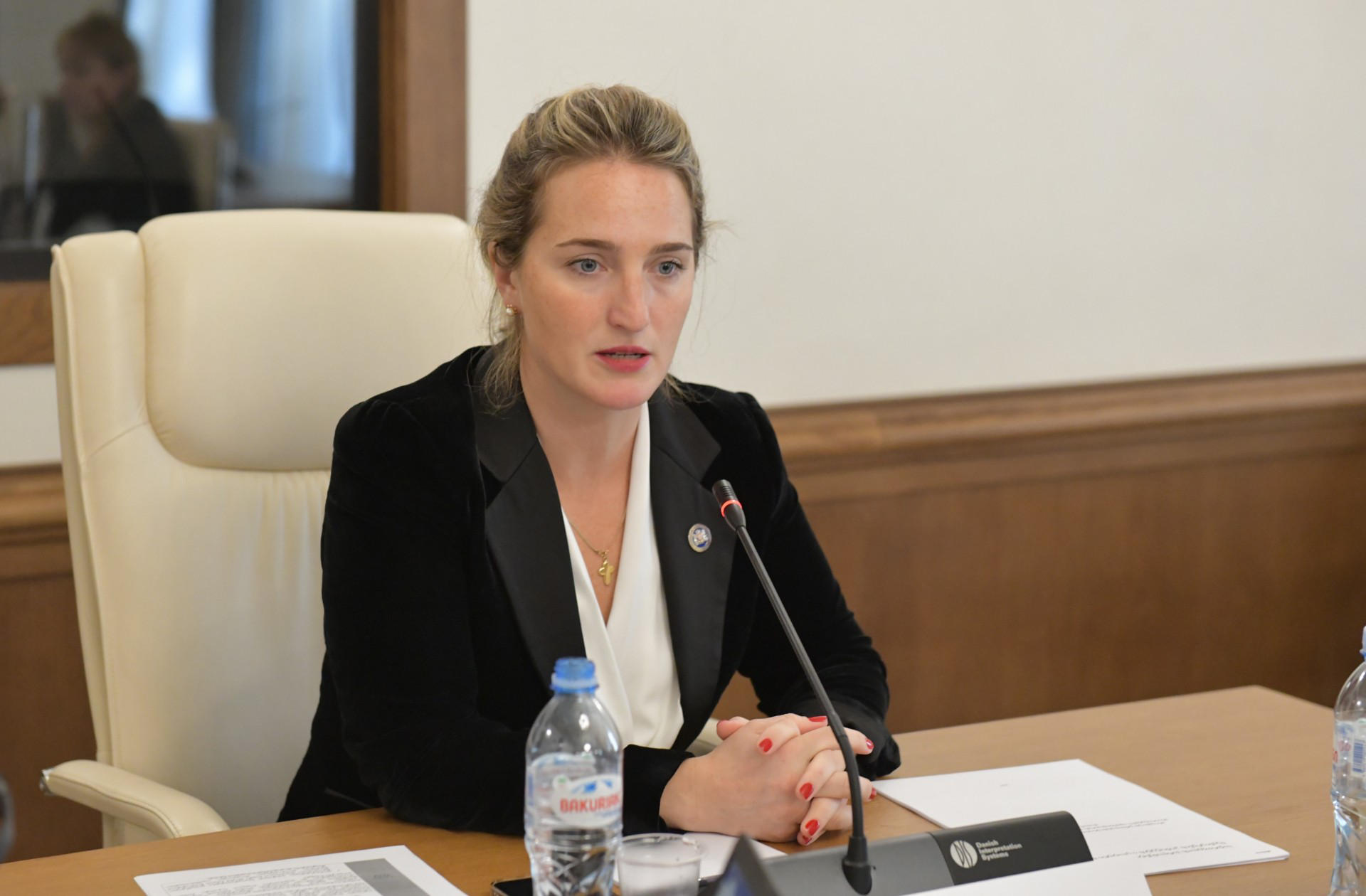
“It is unfortunate that today the stage has been turned into a political arena, and when you turn the stage into a political arena, it is not respect for it, but rather its degradation. It is very important to preserve the aesthetics that are characteristic of art and ensure that the stage - and even television productions - are not used as instruments. I hope this will be taken into consideration,” said the Chair of the Parliamentary Committee on Education and Science, Mariam Lashkhi, at a joint session of the Education and Culture Committees, where heads of higher arts institutions were being heard, including the rector of the State University of Theatre and Film, Giorgi Shalutashvili.
Lashkhi also stated that there is public concern that acting is sometimes perceived as a kind of indulgence.
She expressed hope that “we will continue the history of artistic education development brought by great figures with dignity and create an even better era.”
“In general, I wanted to say that today, unfortunately, we see that the arts sector is often more vulnerable to certain processes. This is not only characteristic of Georgia; we see it worldwide. It is also unfortunate that under certain conditions the stage has been turned into a political arena. When you turn the stage into a political arena, it is not respect but degradation.
Georgian theatre has played a huge role in shaping taste. I believe it is very important to preserve the aesthetics inherent to art and ensure that the stage - and even television productions - are not used as instruments. I hope this will be taken into account.
We also know that there is concern in society that acting or any profession might be seen as a kind of indulgence. You mentioned Roman Polanski - a figure of French culture, an Oscar laureate, who has made a significant contribution to cultural heritage. However, for the French authorities and the law, this was not any kind of indulgence. We remember that he was arrested in Paris not because any restrictions were imposed on his creative work, but because he violated specific legal norms. Here too, it is important that the line between legal norms and the creative sphere is clearly and properly maintained.
I hope that we will continue the history of artistic education development brought by our important and distinguished figures with dignity and create an even better era. I am confident that this will continue,” said Mariam Lashkhi.
At the joint session of the two parliamentary committees, the invited participants included: the rector of the Shota Rustaveli State University of Theatre and Film, Giorgi Shalutashvili; the rector of the Vano Sarajishvili State Conservatoire, Giorgi Vachnadze; the rector of the Apollon Kutateladze State Academy of Arts, Karaman Kutateladze; and the Vice-Rector of the Giorgi Mtatsmindeli University of Chanting, Tatia Chkheidze.
According to the agenda of the committee meeting, representatives of higher arts institutions were heard about their activities and existing challenges. The discussion also covered “the importance of higher education reform in the context of sustainable development of the artistic and creative sector.”