Amnesty International - Civil society groups, independent media outlets, opposition parties and politicians in Georgia were targeted through repressive legislation, politically motivated prosecution and administrative procedures
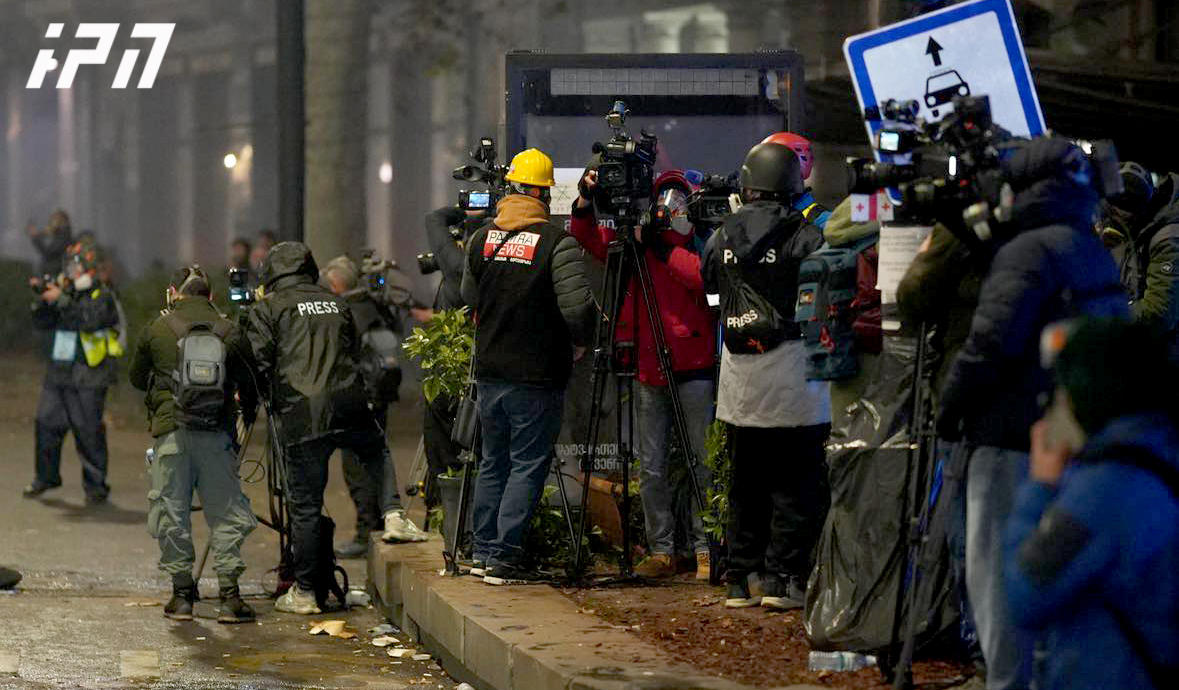
Arbitrary detention of protesters, journalists and opposition figures was commonplace. Some individuals were apprehended at home, at their workplace or in the street, solely for attending protests, according to Amnesty International report - The State of the World’s Human Rights.
According to the report, courts routinely denied bail, without clear grounds or evidence that would justify remand.
“Dozens of individuals, particularly those involved in anti-government protests, were subjected to unfair trials marked by procedural violations and prosecutorial bias. Prominent journalist Mzia Amaghlobeli was detained twice on 11 January during a protest in the city of Batumi, initially merely for putting up a protest sticker. Upon release, she was re-arrested on criminal charges for slapping Batumi’s police chief. She was denied bail in a swift remand hearing, followed by an unfair trial. On 5 August, she was sentenced to two years in prison. Her health severely deteriorated in custody.3 In January, protesters Omar Okribelashvili and Saba Meparishvili were each sentenced to 30 months’ imprisonment for damaging police barriers. The sentences came after months already served in detention where they had reportedly been subjected to illtreatment. They were released on 14 November after a plea bargain which allowed for the remaining year to be served on parole.
Saba Jikia, 19, was sentenced in July to over four years in prison for allegedly kicking a police officer during a protest. The trial raised fair trial concerns, including the use of disputed video footage and the failure to apply the juvenile justice procedures normally extending to 19-year-olds in Georgia. Nineteen protesters, among them actor Andro Chichinadze, were each sentenced to two or two-and-a-half years in prison in September following an unfair trial. They were convicted on politically motivated charges of participating in “group violence” during pro-European protests in late 2024.4 Between June and November, eight opposition politicians were arbitrarily detained and imprisoned after refusing to cooperate with a parliamentary commission whose legitimacy and impartiality were widely questioned. They remained in prison either pending trial or serving their sentences at year’s end.
Civil society groups, independent media outlets, opposition parties and politicians were targeted through repressive legislation, politically motivated prosecution and administrative procedures.
Under the 2024 Law on Transparency of Foreign Influence, authorities subjected independent civil society groups to intrusive inspections and criminal investigations. Such groups receiving foreign funding and engaging in vaguely defined “political activities” were threatened with penalties. In August, the authorities froze the bank accounts of seven NGOs, alleging that they had engaged in sabotage by providing medical supplies, protective gear, legal aid and other support to protesters in 2024.6 Several NGO leaders were repeatedly summoned for questioning. In October, Georgian Dream filed a constitutional lawsuit seeking to ban three opposition parties – the United National Movement, Coalition for Change, and Lelo/Strong Georgia – accusing them of attempting to overthrow the constitutional order, incite protests and undermine territorial integrity.
Women protesters were increasingly targeted with gendered abuse, including sexist insults, threats of sexual assault and degrading full strip searches. Such abuses continued to be reported despite a government pledge in June to end full-body searches.7 Misogynistic and sexist rhetoric from senior officials continued to fuel abuse against women protesters.8 Elene Khoshtaria, an opposition leader, was detained for protesting peacefully outside parliament on 28 March. She reported being violently restrained, stripped, forced to lie naked during her detention and denied medication needed for her condition. Kristina Botkoveli, an activist, was forced to strip naked during an arbitrary police raid at her home on 1 February, triggering a panic attack requiring emergency care”, reads the report.