Gigi Tsereteli: The election of the Patriarch is a major test for the Church and warned that mismanagement of the process would be highly damaging
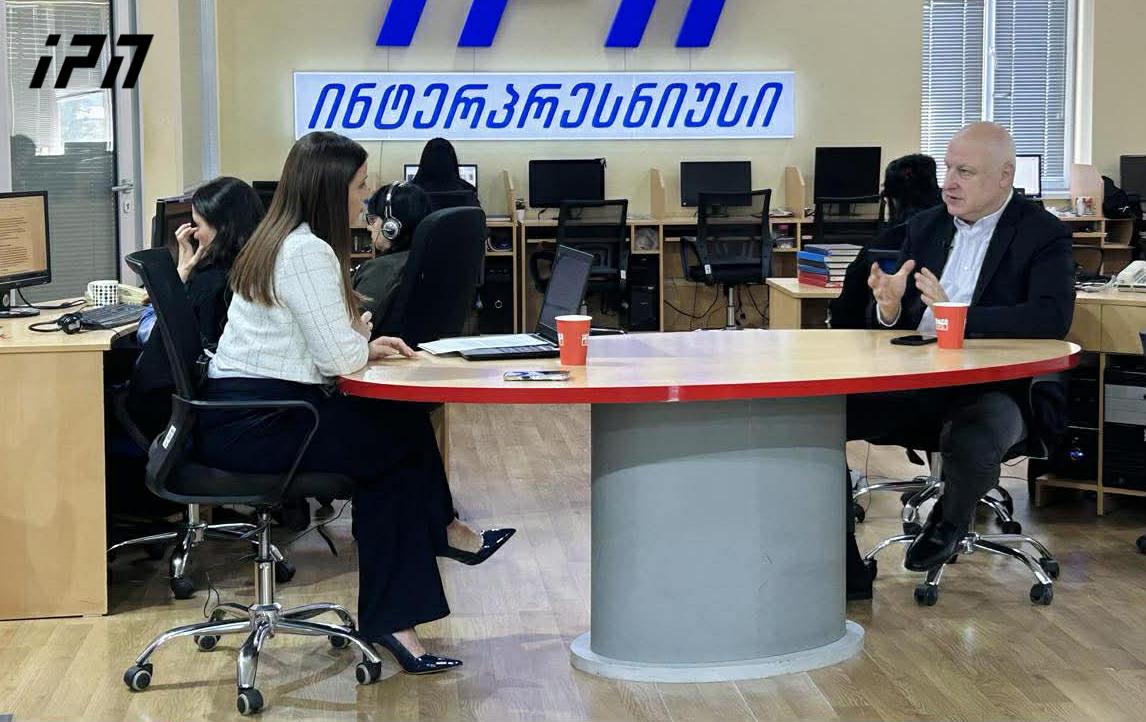
Gigi Tsereteli said that the election of the Patriarch is a major test for the Church and warned that mismanagement of the process would be highly damaging. He also commented on politics and opposition activity, saying that some people should be active among the public, while others should also be present in Brussels.
According to him, today’s Holy Synod session will be a very important test for the Church. He noted that handling the process of selecting a new Patriarch incorrectly could cause serious long-term harm.
Tsereteli said that there are many areas where the Patriarchate and the state must cooperate, but this should not mean coming under anyone’s influence.
He stressed that the current government tries to dominate institutions and extend its influence everywhere, although similar attempts are made by any government to some extent. He referred to the constitutional agreement between the state and the Church, saying it clearly defines their responsibilities and must be respected.
He added that selecting three Patriarchal candidates today is a major responsibility because the Church remains a highly respected institution in society. He warned that any interference or improper conduct in the process could damage the institution in the long run.
On foreign influence, particularly Russia, Tsereteli said the Russian Orthodox Church is closely tied to the Kremlin and reflects its political interests, which may also create risks in Georgia’s internal church affairs.
He also commented on relations with the EU and the recent summoning of the EU Ambassador to Georgia, calling it a “strongly negative development.” He argued that Georgia’s critical relationship with the EU is the result of government policy and steps taken by “Georgian Dream.”
Regarding opposition politics and internal tensions within the “Oppositional Alliance,” Tsereteli said the process of forming such alliances is difficult. He argued that opposition groups must consolidate forces if they want to be a real alternative and function effectively in elections.
Responding to criticism that the opposition is not engaging enough with the public, he said it is essential to stay close to people. At the same time, he stressed that “some must be among the people, and some must also be in Brussels,” meaning political work requires both domestic engagement and international communication.
He concluded that despite internal tensions, he remains optimistic that the situation within the opposition alliance will stabilize.