Traveling to Türkiye for Brain Disorders Treatment: What Acıbadem Offers
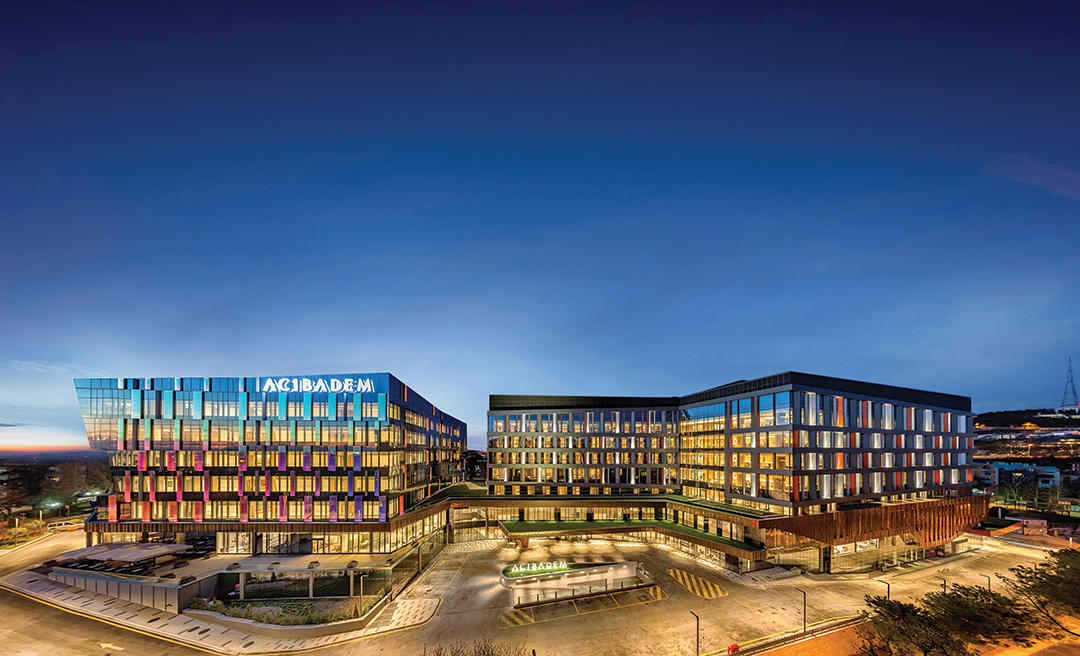
Brain is the organ responsible for creating emotions, actions, thoughts, and decisions. That’s why a disease affecting the brain can bring doubt, fear, frustration, and exhaustion for patients and their relatives.
At Acıbadem, we understand the fragility of these patients and offer a well-planned treatment journey. A multidisciplinary medical team, including neurosurgeons, neurologists, oncologists, and physiotherapists, evaluates patients, designs a treatment plan, and delivers the most suitable care.
A wide range of brain disorders is treated at Acıbadem Healthcare Group, including tumors, epilepsy, Parkinson’s disease, and cerebrovascular conditions such as aneurysms and arteriovenous malformations (AVMs). Congenital conditions, including hydrocephalus and cerebral palsy, are also managed.

High-Level Expertise in Brain Tumor Treatment
There are several treatment options for brain tumors. Surgery is often the first approach. Tumor resection involves removing a cancerous or benign tumor. This procedure can relieve symptoms, restore neurological function, and improve quality of life.
For benign tumors, surgery alone is often sufficient to eliminate the tumor. For malignant tumors, surgery may not be a complete solution. It can still be beneficial by removing the tumor fully or partially. However, additional treatments such as radiation therapy or chemotherapy are typically needed after surgery.

With today’s advanced technology and the expertise of the Acıbadem Healthcare Group neurosurgery team, many brain tumors can be treated safely and effectively.
Technology to Achieve Better Outcomes
Subsequent developments in health technologies created a new era in neurosurgery. Advanced technologies used in neurological operations include:
- Intraoperative MRI is a technology that provides real-time images of the brain during surgery in the operating room. It helps surgeons achieve more complete tumor removal.
- Neuroendoscopy allows surgery to be performed through fewer and smaller incisions. It may support faster recovery and less scarring.
- Neuronavigation guides brain tumor surgery by precisely locating and outlining lesions. It enables surgeons to remove as much of the tumor as safely as possible while preserving surrounding brain tissue.
- Neuromonitoring is used during surgery to monitor nerve function and reduce the risk of neurological injury.
- Gamma Knife is a non-surgical treatment option for certain neurological conditions, such as brain tumors and arteriovenous malformations (AVMs).

Gamma Knife: Precise, Safe, and Effective Treatment for Brain Tumors
Many people associate brain surgery with opening the skull and removing the tumor from delicate brain tissue. At Acıbadem, while these procedures are performed with extensive experience and advanced technology, Gamma Knife treatment is also offered as a gentler, non-invasive alternative to traditional brain surgery.
This advanced technology uses highly precise gamma beams delivered from outside the skull to target and destroy tumors, without the need to open the skull.
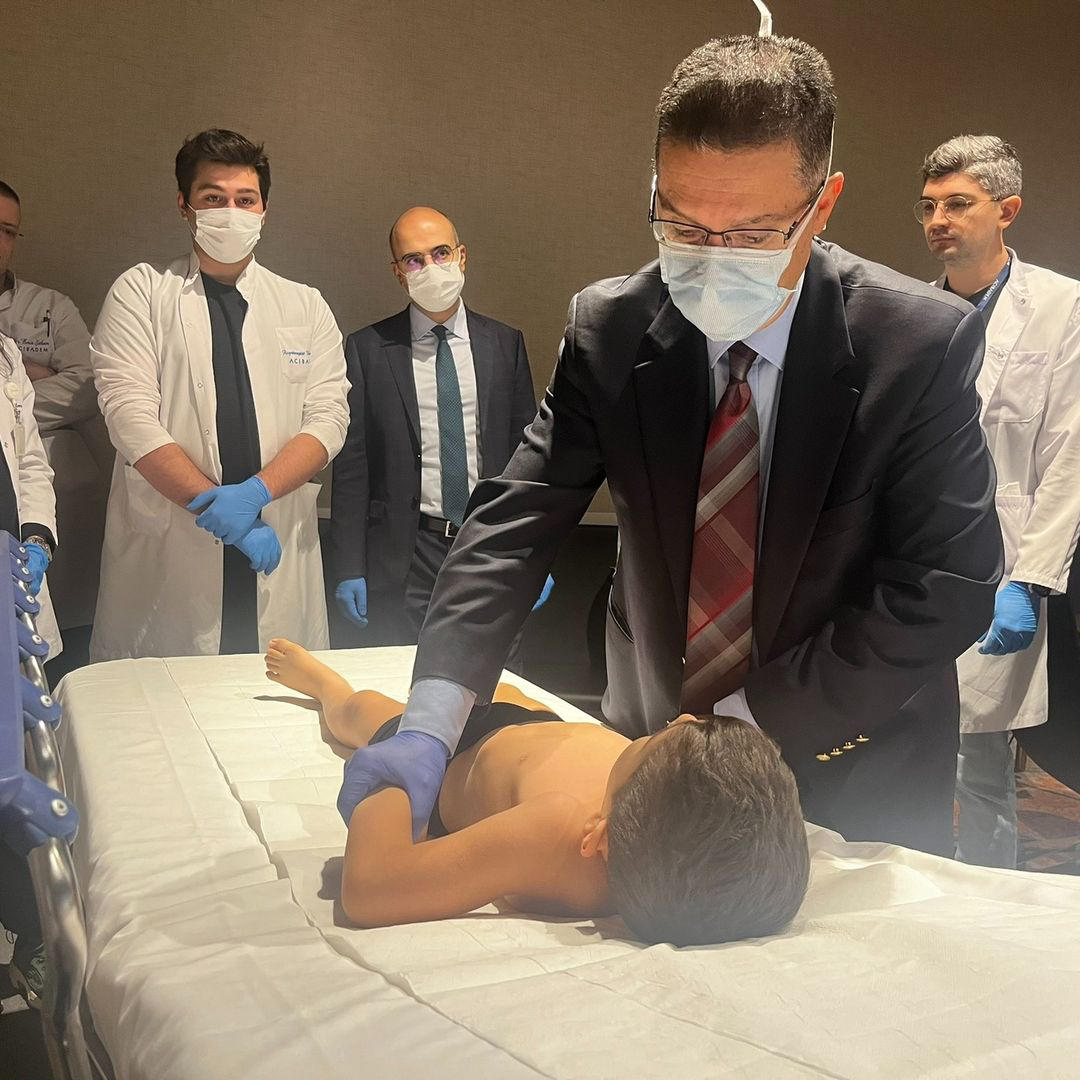
Gamma Knife treatment was introduced at Acıbadem in 2006, making it the first private healthcare provider to offer this treatment in the country. More than 11,000 patients from around the world have been treated with Gamma Knife at Acıbadem.
Bring Back Simple Pleasures: Managing Parkinson’s Disease Symptoms
Parkinson’s disease is a complex neurological disorder that causes tremors, slowness of movement, and rigidity. These symptoms significantly affect daily activities and can make tasks such as eating, bathing, and writing difficult or even impossible.
When medications are no longer effective in managing Parkinson’s disease symptoms, Deep Brain Stimulation (DBS) surgery may be considered to help restore movement control and improve patients’ quality of life. DBS involves placing an electrode in a specific area of the brain and implanting a stimulator under the skin near the collarbone. The stimulator sends electrical impulses to the electrode, helping regulate abnormal signals that cause symptoms.
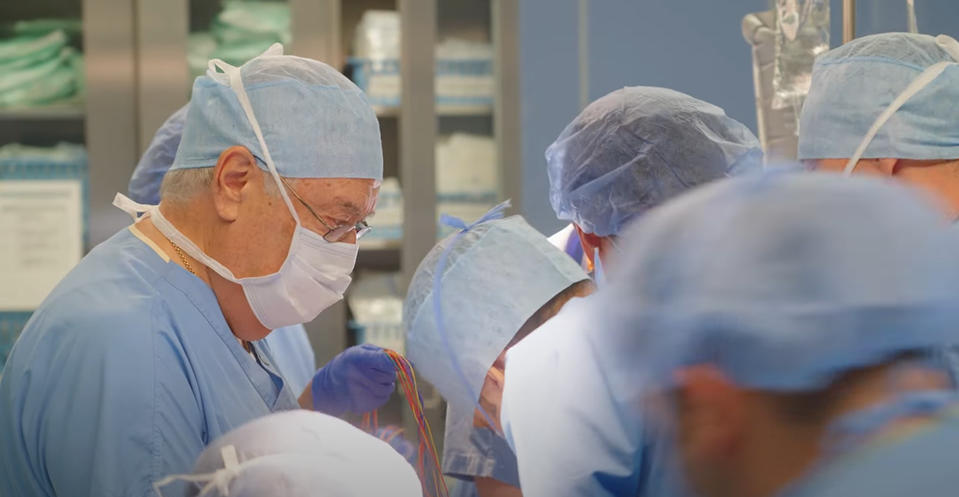
At Acıbadem, DBS surgery is used to manage Parkinson’s disease symptoms and improve patients’ movement.
A Clinic Exclusively Focused on Children with Neurological Disorders
Acıbadem houses one of the world’s renowned Pediatric Neurosurgery Departments, distinguished by extensive experience, refined expertise, and advanced treatments that offer hope to children and families worldwide.
Comprehensive pediatric neurosurgery services are provided, ranging from the treatment of epilepsy and the management of cerebral palsy to brain tumor surgery and the correction of congenital malformations. The department successfully performs operations on approximately 600 infants, babies, and children from around the world each year.
Additionally, physical therapy and rehabilitation are valuable components of pediatric neurosurgery and are often required after surgery to optimize outcomes. At Acıbadem, a dedicated physical therapy unit is specifically designed to serve children with neurological conditions.
More Treatment Options for Aneurysm, AVM, and Cavernoma
Cerebrovascular conditions are another group of diseases that affect the blood vessels in the brain.
- An aneurysm is a balloon-like bulge in an artery that can rupture and cause sudden bleeding. The main treatment is surgery, which involves clipping the aneurysm to eliminate the risk of rupture and bleeding. At Acıbadem, endovascular treatment without open surgery may also be considered in suitable cases.
- An AVM (arteriovenous malformation) is an abnormal connection between arteries and veins that disrupts normal blood flow and carries a risk of bleeding or seizures. In addition to surgical removal, Gamma Knife treatment may also be considered in selected cases.
- A cavernoma (cavernous malformation) is a cluster of small, slow-flowing blood vessels that may cause seizures or small, repeated bleeds. The main treatment is surgical removal of the lesion.
(Ad)