European Parliament report - Having abandoned the path of Euro-Atlantic integration, Georgian Dream is making a strategic turn towards cooperation with China, Russia and Iran
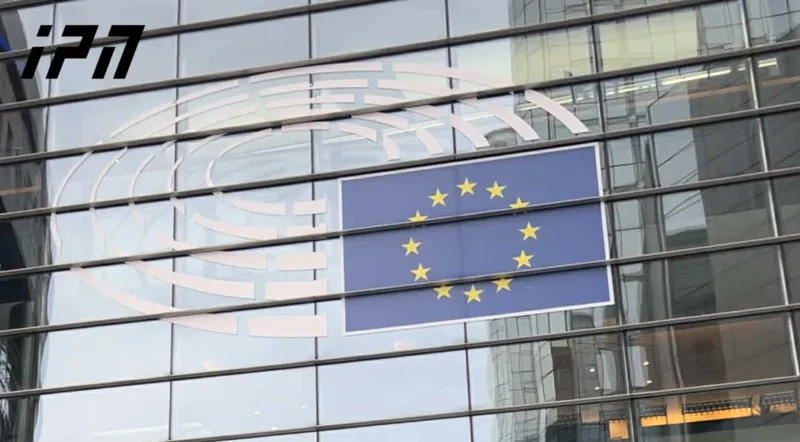
Having abandoned the path of Euro-Atlantic integration, Georgian Dream is making a strategic turn towards cooperation with China, Russia and Iran, as confirmed in numerous reports, - reads a report on Georgia adopted by the European Parliament.
“The European Parliament stresses that this reorientation demonstrates a disregard for Georgia’s constitutional commitment to Euro-Atlantic integration and the clear and consistently expressed will of Georgian society;
The European Parliament expresses outrage that, instead of addressing credible findings on the growing influence of authoritarian powers, investigations have been launched against the authors of such reports, including Hudson Institute researcher Giorgi Kandelaki and Tinatin Khidasheli”, reads the document.
The European Parliament expresses its concern over the involvement of Chinese state-owned enterprises in strategic projects such as the Anaklia Deep Sea Port, which was originally developed with Western partners and intended to strengthen East–West connectivity independent of Russian and Chinese influence; reminds the Georgian authorities that the success of the Middle Corridor is linked to Georgia’s adherence to the rule of law and that Global Gateway investments require Georgia to be a stable and transparent partner;
The European Parliament notes initiatives for strategic connectivity projects in the Black Sea region, including the Black Sea Digital Connectivity Submarine Cable and the Black Sea Submarine Electricity Cable, which could enhance energy and digital links between the EU and the South Caucasus;
The European Parliament notes that the Georgian Orthodox Church remains an influential institution in Georgian society and plays an important role in shaping public discourse; expresses concerns regarding the use of religious networks by Russia as channels for disinformation and influence operations across Georgia, with the aim of undermining pro-European orientation and democratic resilience; recalls that some clerics within Georgia have resisted such instrumentalisation and have spoken out against both Russian influence and the policies of the Georgian Dream regime; underlines that the Georgian Orthodox diocese and communities are also present in the EU, which highlights the need for vigilance and resilience against transnational disinformation efforts;
The European Parliament notes with particular concern Iran’s growing influence in the country, in particular through religious and educational institutions and youth mobilisation, and through economic structures that effectively enable Iran to evade sanctions; is further concerned by the growing influence of economic actors linked to the Iranian regime operating in Georgia; underscores that such actors may be used for financial sanctions circumvention, money laundering and the illicit export of Iranian goods, benefiting actors connected to both the Iranian and the Georgian Dream regimes via corruption and skewed public tenders;
The European Parliament reiterates its unwavering support for the sovereignty and territorial integrity of Georgia; strongly condemns Russia’s ongoing occupation of Georgia’s regions of Abkhazia and Tskhinvali/South Ossetia and the continued ‘borderisation’ process, which constitutes a violation of Georgia’s sovereignty and territorial integrity; urges the Georgian Government to maintain a clear and consistent position on Russian aggression; roundly condemns Russia’s efforts to integrate the occupied territories politically, militarily and economically into the Russian Federation; notes with deep concern the continued illegal detentions and targeting of ethnic Georgians in Abkhazia and the Tskhinvali region, including women and young people, on fabricated charges, such as espionage or the possession of a Georgian passport; condemns these practices as serious human rights violations contributing to intimidation, discrimination and the forced displacement of the Georgian population; strongly condemns the ongoing development of the Russian naval base in Ochamchire, which is not just a violation of territorial integrity but a direct threat to the security of the entire Black Sea basin and Georgia’s own maritime trade ambitions; reiterates its call for the immediate and unconditional withdrawal of Russian forces from the Georgian regions of Abkhazia and Tskhinvali/South Ossetia;
The European Parliament calls for targeted restrictive measures against those responsible for human rights violations in the occupied territories building on precedents such as the 2018 ‘Otkhozoria–Tatunashvili List”, reads the report.