The prosecutor in the case of the October 4 events, Tamar Iakobidze, has explained why a plea agreement was not signed with convicted Zurab Chavchanidze
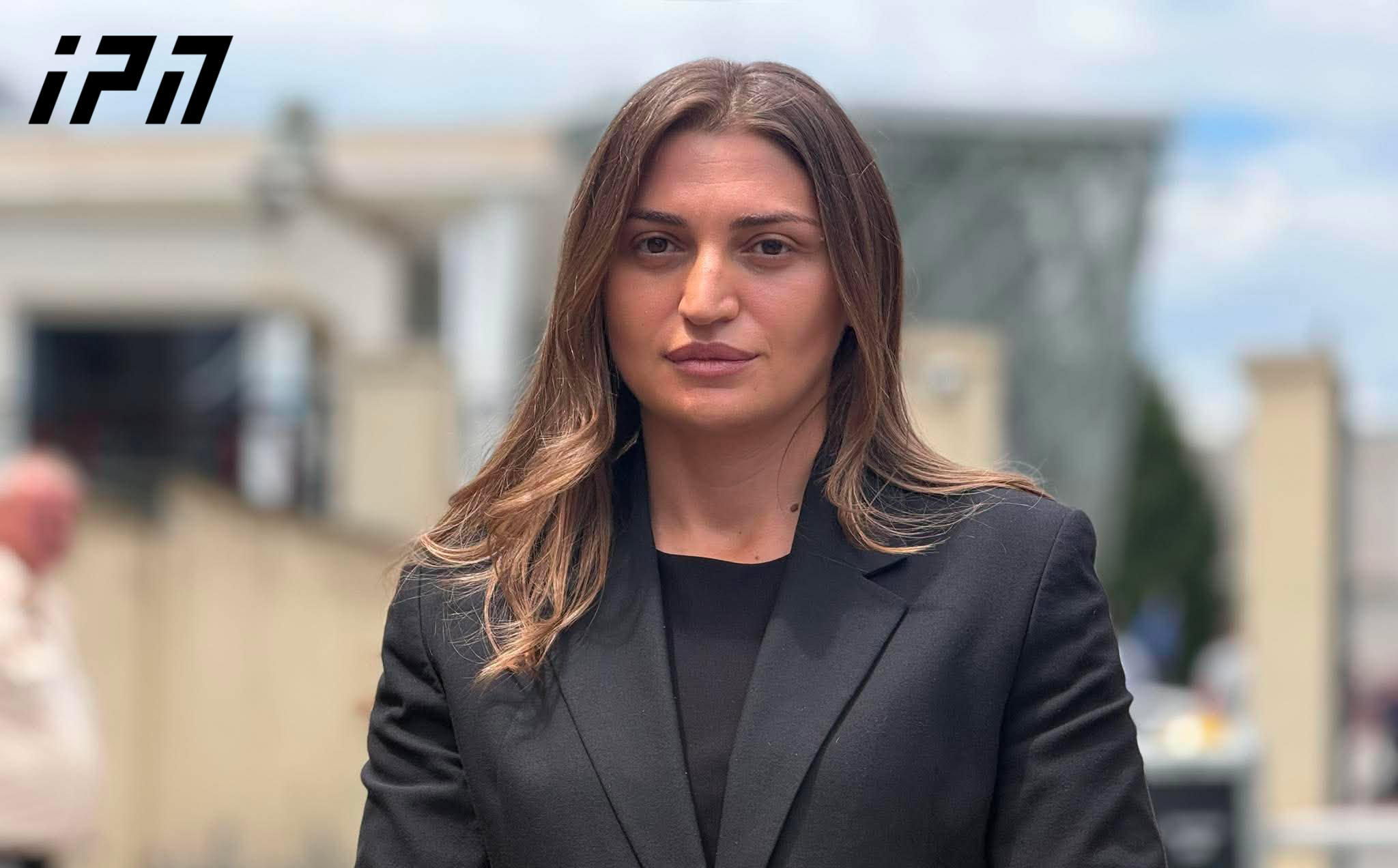
According to Iakobidze, the defendant did not admit guilt either in his application submitted to the Prosecutor’s Office or during the court proceedings; he only requested a plea bargain.
She noted that the right to request a plea agreement remains available even at the appellate stage, but in this case it was rejected due to the absence of an admission of criminal conduct.
“The prosecution presented a body of evidence in court that, beyond reasonable doubt, confirmed the charges against each defendant. Accordingly, the court issued a guilty verdict, and each defendant was sentenced to five years of imprisonment.
Regarding Zurab Chavchanidze, the prosecution repeatedly stated that plea negotiations would only be conducted with individuals who admitted to the committed crime. Since the essence of a plea agreement includes admission and remorse, in this case the defendant neither admitted the charges in his written submission nor in court. Therefore, under these circumstances, the prosecution does not conclude a plea agreement.
Chavchanidze himself stated in court that he had sent an application for a plea deal to the Prosecutor’s Office, but in that application he only requested that a plea agreement be concluded with him.
A plea agreement can also be concluded at the appellate stage; the procedural stage is not limited. However, in this case, the court had already moved to the final stage of proceedings, and after the final statement, the only remaining steps were either delivering the verdict or deliberating and announcing it.
Additionally, the defendant did not admit guilt either in his written submission or during the hearing. The essence of a plea agreement is not to be concluded with a person who does not admit guilt.
A person may submit a request for a plea agreement at any time. He had not submitted such a request at any stage through his legal counsel either. After being removed from the courtroom, he was assigned mandatory legal representation, but even then, no such position was communicated by his lawyers.
This is the defendant’s choice. Even if he submitted a written request from prison last week, it was rejected because he did not admit the crime. He could have done so at any stage, and would have received a written response from the prosecution. His physical presence was not necessary at all,” Iakobidze stated.
For context, in connection with the October 4 events, eight defendants - Zurab Chavchanidze, Vladimir Gevelesian, Amiran Dolishvili, Anton Vardanidze, Alexander Chilachava, Genadi Kupreishvili, Sulkhan Tugushi, and Ramaz Mamuladze - were found guilty by Tbilisi City Court and each sentenced to five years in prison.