Irakli Kirtskhalia - Many people serve external interests, an example of this is the list of so-called cultural figures who did not shy away from working in Russia in 2008-2022, among them are the “Sukhishvili family”, Nikoloz Rachveli and Paata Burchuladze
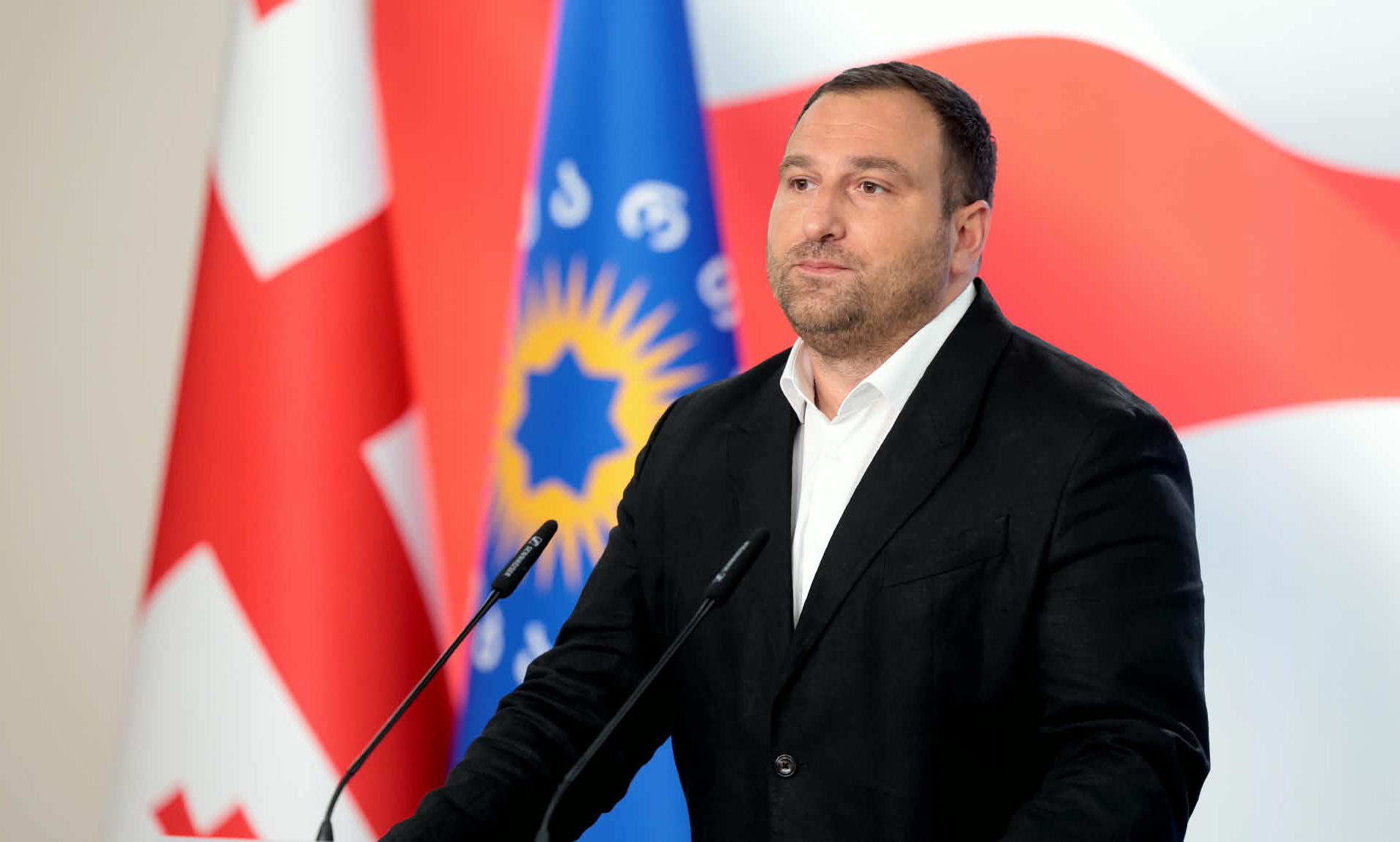
To analyze why Georgia could have an important role in the “deep state” plan, it is enough to understand the location and historical context of our country. The Prime Minister perfectly explained the model according to which local politicians and so-called civil society representatives, who have become agents of external forces, however, not only they, but also representatives of various fields, fit perfectly into this model, which confirms that, regardless of their profession, many people serve external interests in our country. There is an extensive list of cultural figures who did not shy away from working in Russia and participating in projects there in 2008-2022, however, since the beginning of the war in Ukraine, their rhetoric and actions have become particularly anti-Russian, - Irakli Kirtskhalia, the leader of the parliamentary majority, writes on the social network, responding to the analysis published on this issue by Prime Minister Irakli Kobakhidze a week ago.
Irakli Kirtskhalia names the “Sukhishvilis”, Nikoloz Rachveli and Paata Burchuladze among the representatives of the cultural sphere who had concerts in Russia after the August war, and as he notes, the specific facts presented in only these three cases confirm the model of behavior, how a number of so-called cultural figures did not refuse to have relations with Russia after the August war of 2008.
"Exactly a week ago, the Prime Minister published an extensive analysis and focused on one specific approach, according to which, for the "National Movement", political forces affiliated with it and with which it made deals at various times, as well as wealthy Georgian NGOs, which ultimately became agents of the "deep state", the 2008 war, the occupation of 20% of the country's territories, the recognition of the independence of Abkhazia and the Tskhinvali region, approximately 30,000 internally displaced persons in their own homeland, hundreds of dead and thousands of wounded Georgians were not enough to incite radical anti-Russian sentiments. Moreover, the then government, soon after the end of the war, began talking about restoring cultural and humanitarian ties with Russia, facilitated the inflow of Russian capital into the Georgian economy and strategic sectors, their leader personally met Russian tourists at the border, after which the visa regime for Russian citizens was even unilaterally abolished, and Saakashvili boasted about all this from the international rostrum.
During this period, we have not heard any criticism of the “National Movement” from representatives of those forces and specific individuals who today are not only distinguished by their anti-Russian sentiment, but also directly spread Russophobia. Instead, after the second Russian invasion of Ukraine, agents scattered in various parties and NGOs organized themselves and presented us as irreconcilable fighters against the Russian occupation, Russian tourists, Russian money and products, in a word, everything that could be connected with Russia.
In his letter, the Prime Minister also asked a rhetorical question, why have these people become Russophobes now and not when it came to Georgia? This seemingly illogical fact has the simplest answer, which puts everything into logical frameworks - neither the National Movement and their allies, nor the NGOs, nor specific people covered by civil activism or the scientific sphere, were independent neither in 2008-2012 nor today, they are agents and deaf slaves who carry out external tasks without a word. It is also clear why these people were instructed to become more active against Russia not after August 2008, but now. The global war party needed the scale of the current war to involve Europe in the confrontation with Russia, which in turn created the need to stir up anti-Russian sentiments in specific societies, especially in Georgia, to mobilize support for the idea. To analyze why Georgia could have played an important role in the aforementioned plan of the “deep state”, it is enough to understand the location and historical context of our country”, Kirtskhalia said.