Shalva Papuashvili - One of the difficult aspects of the Russian-Georgian war is the international reaction - was pressure exerted on Russia? Were sanctions imposed? Trade stopped? - No! On the contrary, relations between the West and Russia soon began to "reset"
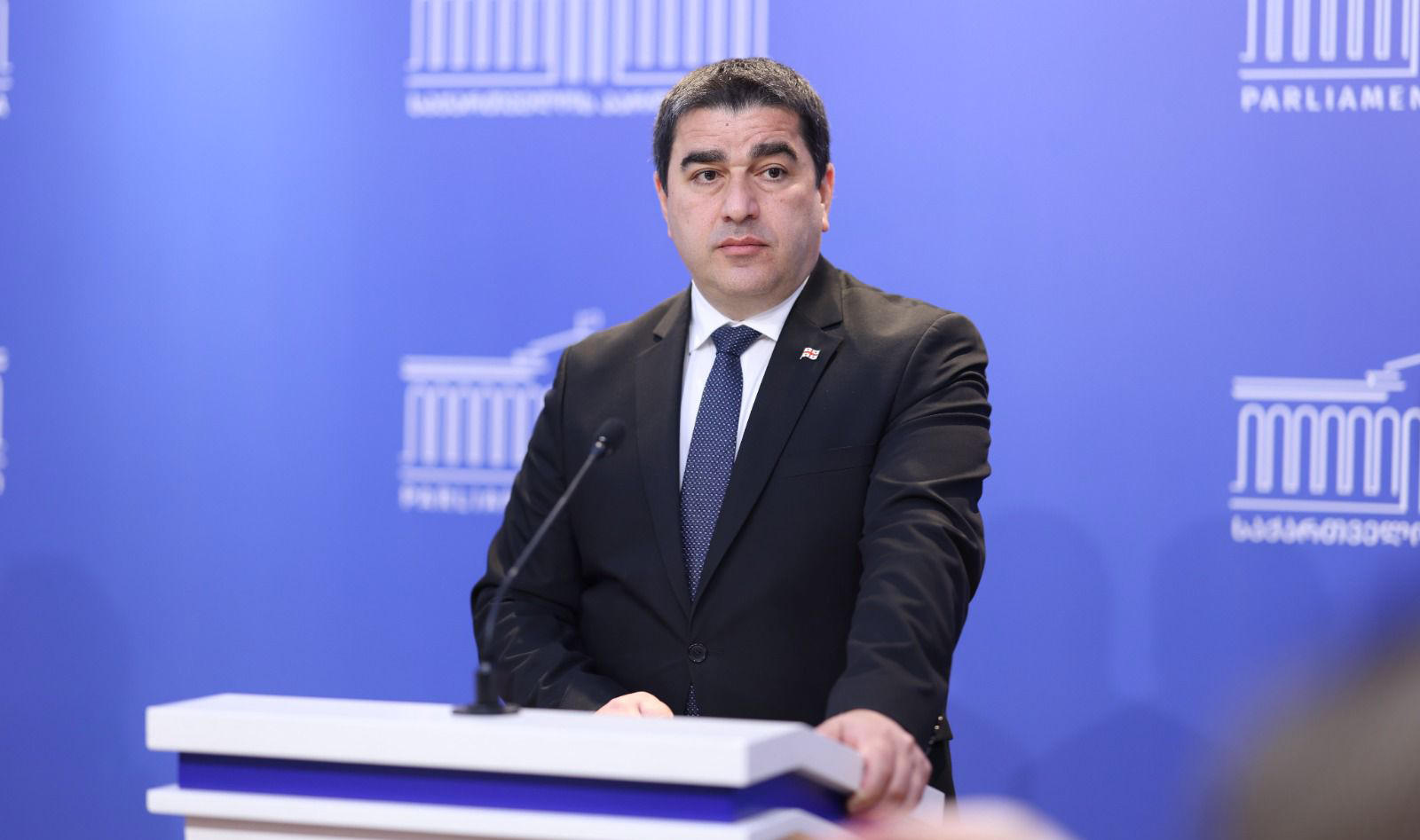
Another difficult aspect of this history [of the Russian-Georgian war] was the international reaction - was real pressure exerted on Russia? Were sanctions imposed? Trade stopped? Political and economic relations restricted? - No! On the contrary, relations between the West and Russia soon began to "reset", - the Chairman of the Parliament Shalva Papuashvili writes on the social network.
According to Papuashvili, "in August 2008, Georgia failed to achieve any of these goals".
The Speaker of Parliament also states that “Saakashvili’s regime first led the country into a most difficult military adventure, then suffered defeat on the battlefield, and finally signed conditions that could not stop the new occupation reality created by Russia.
“The European Union acted as a mediator and guarantor of the August 12 agreement. Of the six points, the fifth point was of fundamental importance for Georgia: the Russian military forces were to return to their original positions.
But what happened next?
Was real pressure exerted on Russia? Were sanctions imposed? Was trade suspended? Were political and economic relations restricted?
No.
On the contrary, the “reset” of relations between the West and Russia soon began. Large-scale economic cooperation continued. The Nord Stream pipelines were built. On May 9, 2010, we saw Russian and European soldiers in a parade on Red Square.
Georgia, however, faced a different reality: an embargo on arms purchases, heavy international assessments of responsibility for the war, the coercion of Georgia to agree to Russia’s accession to the World Trade Organization, and the darkest years of a brutal regime.
What was this, if not a punishment for Georgia and a quick return to the old course of relations with Russia? - writes Papuashvili.