Nika Gvaramia –Meanwhile, the "Dreamers" have a really tough reaction to the revelation of the dark news about Abkhazian gasoline - it may turn out that gasoline is the least of the problems and Kobakhidze's slip of the tongue may cause a lightning strike
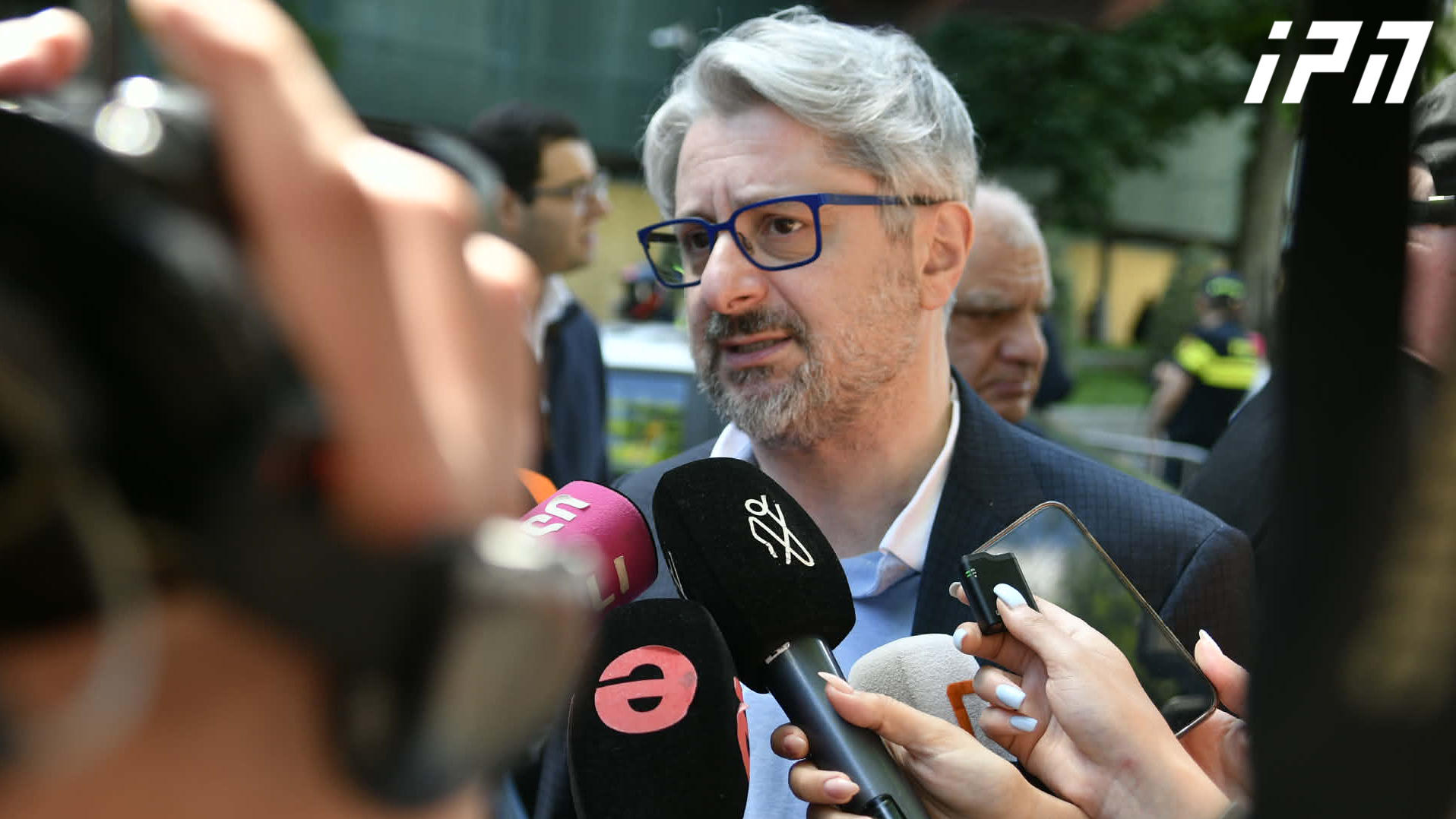
Meanwhile, the "Dreamers" have a really tough reaction to the revelation of the dark news about Abkhazian gasoline - it may turn out that gasoline is the least of the problems and Kobakhidze's slip of the tongue may cause a lightning strike, - Nika Gvaramia, the leader of the Coalition for Change, writes on the social network.
According to him, it is highly likely that the scheme was created by Russia to circumvent sanctions and help in the purchase of strategic goods.
"The propaganda media is "exposing" the opposition in its attempt to sort out relations with the Abkhazians, while the video on "TV Pirveli" shows that there was no consent. Moreover, the owner of a special enterprise, Arveladze, who speaks as if he imported gasoline, explains that when the gasoline was imported, the government neither knew nor should have known: they gave me permanent consent to trade with Abkhazia and what I would import, when and how much, why they would be interested. This is a complete lie, of course. The point is that this explanation is a lie in general, and in the case of fuel, an absolute lie. There is no consent at all for gasoline, or rather, it is directly excluded by Article 24, Section 2 of the Tax Code: "A special enterprise" is prohibited from supplying excise goods (except for alcoholic beverages and tobacco products) to the occupied territory. Gasoline and other fuels are excise goods, so it is impossible to legally import them under the status of a special enterprise.
It is clear that no act has been issued and an offence has been committed, an act contrary to the country's strategic interests, and, most likely, a scheme has been created to help Russia circumvent sanctions and purchase strategic goods. In reality, no one knows by whom, what, and how much has been imported. We cannot rule out either that equipment is being imported (for example, washing machines), from which the Russians extract chips and use them in the military industry, because they cannot purchase chips due to sanctions. Or at least dual-use products. Neither of them can be supplied to Russia under European sanctions and are considered to be assistance to its war machine. It may turn out that gasoline is the least of the problems and Kobakhidze's slip of the tongue may cause a lightning strike," Gvaramia writes.
For information, according to Radio Liberty, the fuel was brought into occupied Abkhazia by the company "Solidus" with the status of a "special enterprise". As the owner of the company, Giorgi Arveladze, stated, his company delivered approximately 300 tons of fuel (not 3 thousand) to "Abkhaz Partners" via the Enguri Bridge.
In addition, as BPN writes, a decree dated August 11 was posted on the website of the government administration, which concerns the consent for the implementation of special activities in the occupied territories of Georgia. According to the document, the aforementioned consent was extended for a period of 3 months to LLC Solidus. However, it is unknown what activities this permit concerns.
According to media reports, fuel was imported from Georgian-controlled territory amid the fuel crisis in Abkhazia. On August 12, at a briefing at the government administration, Prime Minister Irakli Kobakhidze confirmed the information and stated that the fuel was imported legally, not by the government, but by businesses.