Shalva Papuashvili on those arrested at protests - They should be called: "Prisoners of dishonesty" - the revolution needs victims, they need people in prison to maintain the illusion of fighting outside, so the cry - "Freedom to the prisoners!" takes on the opposite meaning
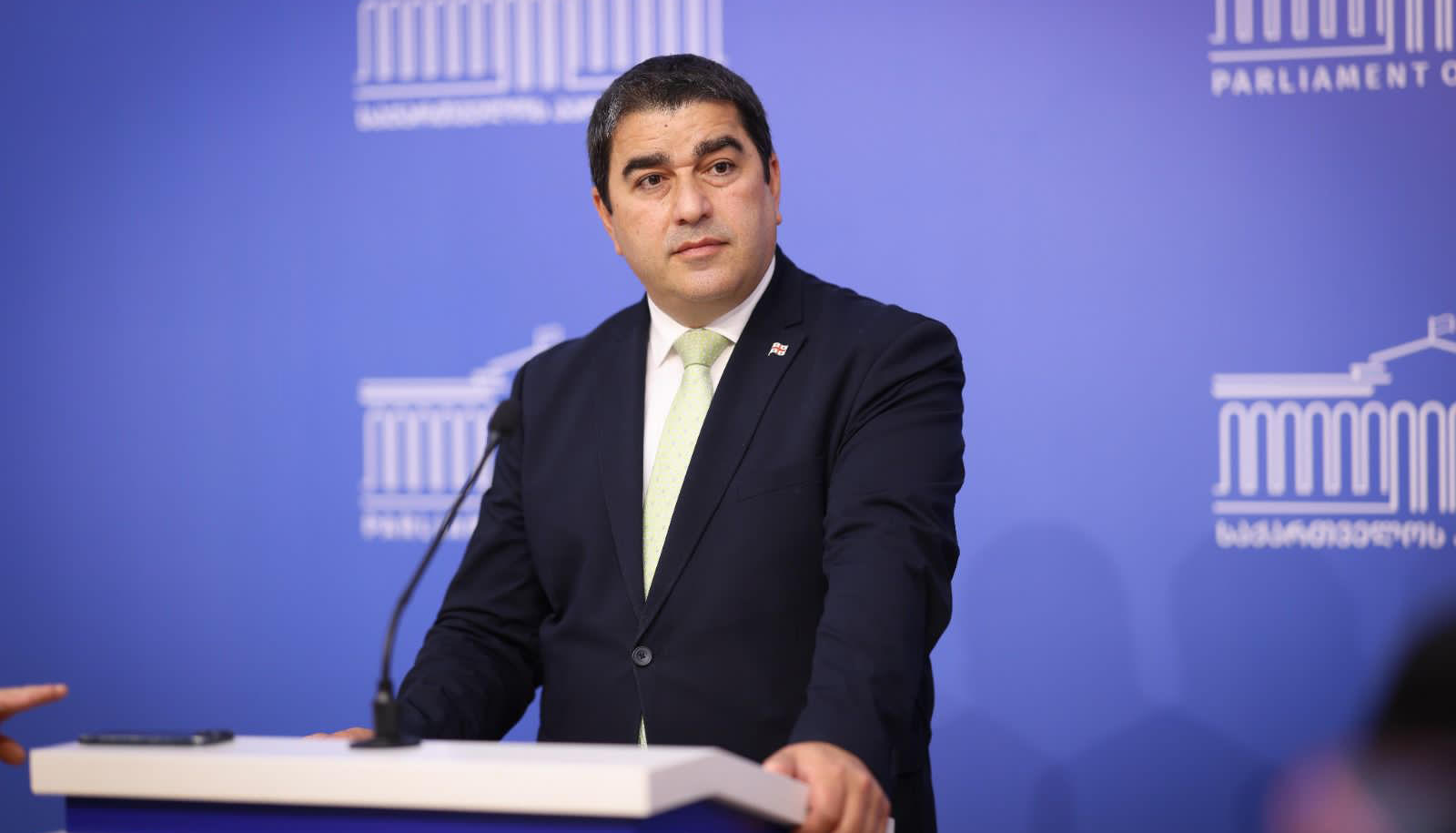
Criminal prosecution has been initiated against approximately 100 people for crimes related to the violent protests of 2024-2025, beyond the organizers of the violence - today 45 of them are free! - The state's approach is simple: realize what you participated in; take responsibility for your actions; admit that you broke the law and confirm that you will not repeat the same thing again, - the Speaker of the Parliament, Shalva Papuashvili, writes on the social network.
According to him, this is neither humiliation, nor a demonstration of moral superiority over someone, but something completely different is the moral terror that is being carried out against them today by people who themselves “sit freely in cafes in Brussels or Tbilisi and dictate to others that they “must be in prison until the end.”
In Papuashvili’s opinion, this is because these people need a “victim” - a person in prison, in order to “maintain the illusion of fighting outside themselves.”
“Criminal prosecution has been initiated against approximately 100 individuals for crimes related to the violent protests of 2024-2025, beyond the organizers of the violence.
Today, 45 of them are free - based on their confessions, plea agreements were signed with some, and the president pardoned some. 72 individuals are still in prison.
This situation raises one main question:
If the government’s goal is to lock these individuals in prison, as people speaking on their behalf claim, then why are 45 individuals free today?
The answer is simple: these individuals have never been political enemies of the state.
They were blind weapons in the hands of irresponsible individuals who first convinced them that breaking the law in the name of the revolution was heroic, then let them go to the barricades, and when the revolution failed and the time for responsibility came, they themselves remained calmly behind the barricades.
A revolution needs victims. A defeated revolution, moreover. And in the role of this victim were those who were the easiest to incite and use.
Therefore, the main question today is no longer why these 72 people are in prison. The main question is: who needs them to remain there? The government?
Then why were 45 people released on the basis of a plea bargain and a presidential pardon?
Why is there a legal path to freedom for those who realize their responsibility and admit to the crime they committed?
Our attitude was not different then and has not changed today: these people are victims of manipulation. First they were used as soldiers of the barricades, and now they are being used as prisoner-victims.
The state’s approach is simple: realize what you were involved in; take responsibility for your actions; admit that you broke the law and confirm that you will not do it again.
This is not a demand to renounce political views. This is taking legal responsibility for a specific action.
This is neither humiliation, nor demonstrating moral superiority over someone. This is the simultaneous standard of the rule of law and a humane state.
But something different is the moral terror that is being carried out against them today by people who themselves freely sit in cafes in Brussels or Tbilisi and dictate to others that they must “sit until the end.”
Why? Because they need a victim.
They need someone in prison in order to maintain the illusion that they themselves are fighting outside. They need “stars” on posters to feed their political egos and maintain the image of victims for a defeated revolution.
Therefore, their cry - “Freedom to the prisoners!”, in fact, is increasingly acquiring the opposite meaning:
- Do not take responsibility!
- Do not dare to leave prison!
- Serve until the end!
- We need not your freedom, but your imprisonment!
However, this path has long been a dead end. The verdicts have been handed down, the crimes have been admitted, and there is no sane person left inside or outside the country who would say that the protest was not violent. Along with the revolution, revolutionary propaganda has also been defeated.
That is why the situation of these 72 people is especially difficult today.
They are not serving their sentences only for their own crimes. They remain prisoners of the dishonesty of those who first pushed them to break the law, then abandoned them, and now declare their release a moral crime.
Therefore, one name is most appropriate for them: "Prisoners of dishonesty," Papuashvili wrote on social media.