Irakli Kobakhidze on Namakhvani HPP: There was sabotage; protests were organized by NGOs funded by the "deep state" and the "global war party"—at that time, foreign agent networks were stronger and the state was much weaker—but the same thing will not happen again in the future
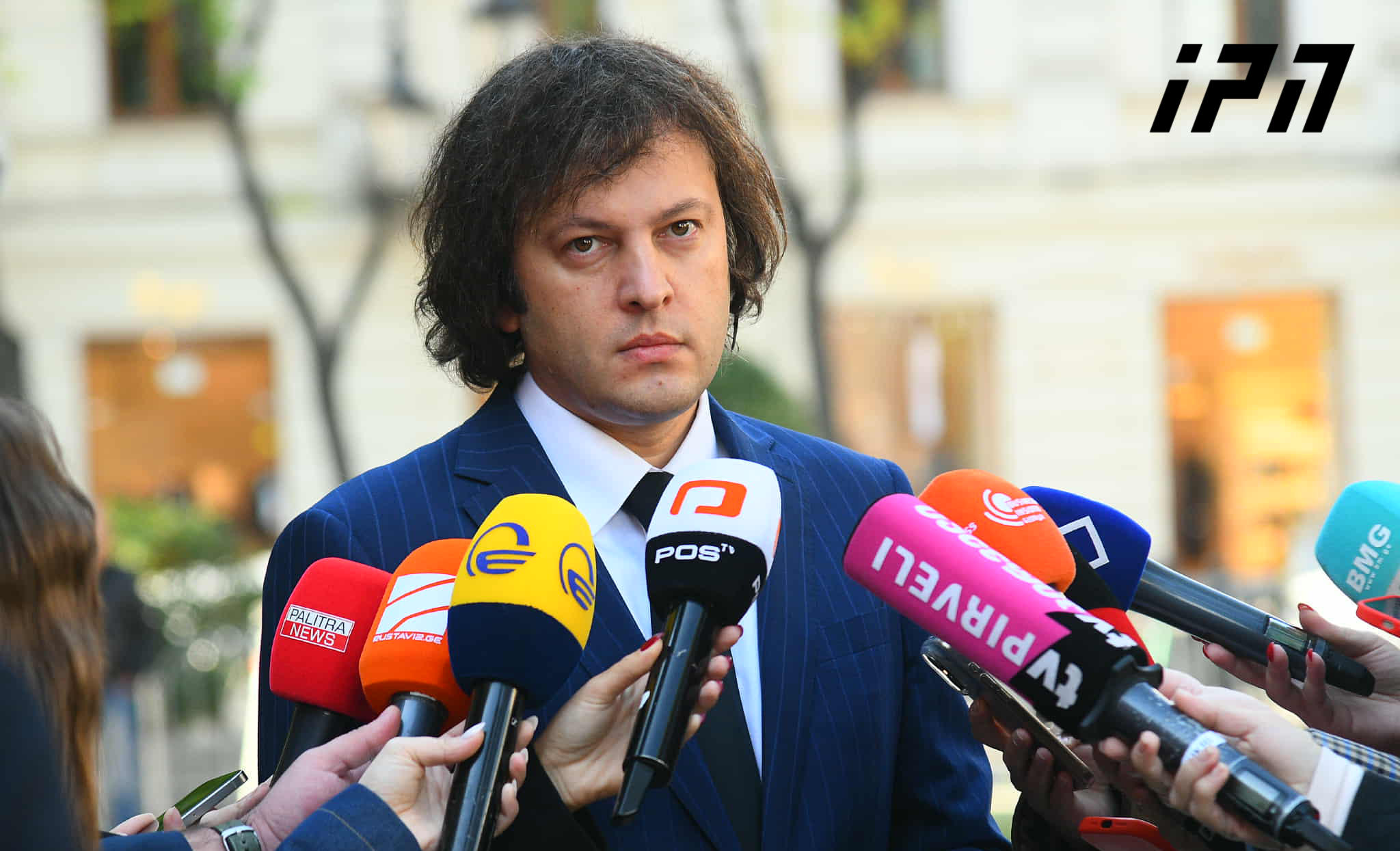
NGOs funded by specific sources were involved in the protests. Who funded these NGOs? Those we call the "deep state" and the "global war party"—though it is possible that importing companies also had an interest in funding such a sabotage campaign. Georgian Prime Minister Irakli Kobakhidze made these remarks regarding a decision by a federal judge in Washington, which ordered Georgia to pay $350 million (plus interest) to the Turkish company Enka Renewables LLC for halting the Namakhvani HPP project.
According to him, what happened a few years ago will not be repeated in the future.
"All of this happened a few years ago. There was outright sabotage; protests were organized without any grounds, which subsequently led to the decision not to build the hydropower plant. Let me remind you of the context: at that time, foreign-backed agent networks were much stronger, while the state was much weaker. Ultimately, this is what led to the outcome.
Today, the situation is radically different. We have ambitious plans; according to our strategy, three large hydropower plants are to be built, along with medium and small hydro plants, as well as wind and solar power stations—all of which require significant effort. Today, these agent networks are much weaker, while the government and the state are much stronger. Consequently, the events that unfolded a few years ago at the behest of foreign-backed agents cannot happen again today. While what occurred was unfortunate, the state will act with full responsibility, and the events of the past will not be repeated in the future.
NGOs funded by specific sources were involved in the protests. Who was funding these NGOs? The very sources we refer to as the "deep state" and the "global war party"—these were the exact entities behind specific NGOs and forces. It is possible that importing companies also had an interest in funding such a sabotage campaign.
Subsequently, we adopted the 'Transparency Law,' the 'Law on Grants,' FARA, and so on. The network of agents is much weaker today. The state will act responsibly, and we will strive to find alternatives to the maximum extent possible, including through consultations with a suitable investor," stated Irakli Kobakhidze.
For context, a federal judge in Washington has ordered Georgia to pay $350 million (plus interest)—amounting to a total compensation exceeding $400 million—to the Turkish company Enka Renewables LLC regarding the suspended Namakhvani HPP project.
According to bpn.ge, this is outlined in a decision by the District of Columbia court dated September 11. The ruling is signed by Judge Amit P. Mehta. The court ruling concerns an attempt by Georgia to halt the judicial proceedings for the enforcement of an arbitration decision—a move that followed the government's decision to terminate the $800 million Namakhvani HPP project.