GYLA Chairperson: The narrative we heard reflects the prism through which the regime views people—voiceless, subordinate, and devoid of rights - the notion that NGOs did not exist a century ago is both historically incorrect and politically dangerous
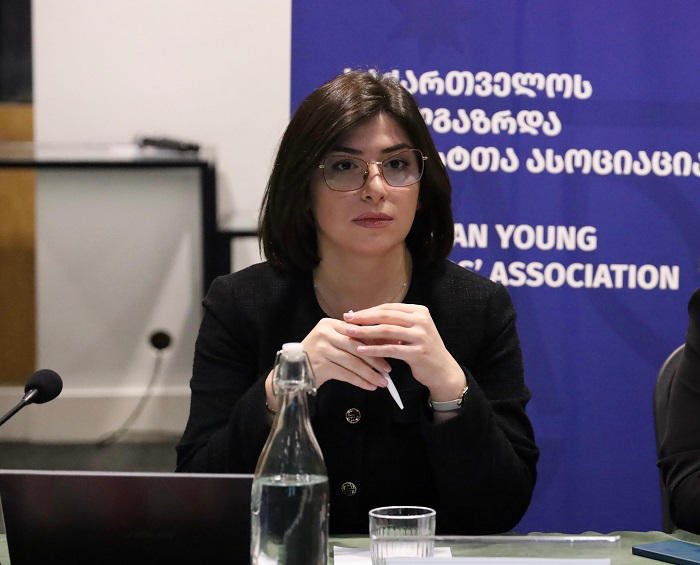
The regime is fighting against those who possess the organizational and institutional capacity to struggle for the attainment and preservation of rights—in other words, it is fighting against genuine human rights organizations. This is how Tamar Oniani, Chairperson of the Georgian Young Lawyers' Association (GYLA), responds to the abolition of the Grant Management Agency and the statement made by Prime Minister Irakli Kobakhidze: "A century ago, NGOs did not exist. They were invented later and used as a primary instrument for foreign intervention."
According to Tamar Oniani, the system views sovereignty as power rather than accountability.
"A century ago, neither the Strasbourg Court nor the modern international human rights protection system existed.
At that time, human rights were largely considered an 'internal affair' of the state. No human rights treaty can function effectively without human rights organizations." Granting conventional status and powers to these organizations is no coincidence.
Therefore, if the notion that civil society organizations did not exist a century ago offers anyone a sense of cognitive comfort, that view is both historically incorrect and politically dangerous (much has been written about Ilia Chavchavadze’s "Society for the Spreading of Literacy Among Georgians," which serves as a prime example of organized civic force).
In reality, the narrative we heard today is not accidental. It reflects the very prism through which the current regime views people: as voiceless, subordinate, and—consequently—devoid of rights.
The phrase „NGOs did not exist a century ago" implies that the system views sovereignty as power rather than accountability. The regime combats those who possess the organizational and institutional capacity to fight for the attainment and preservation of these rights—in other words, it fights against genuine human rights organizations. As for the agency, its operations—and the decision announced today to abolish it—have once again confirmed just how superficial the 2024 statement was; made just months after the adoption of the 'Russian law,' that statement claimed that activities such as 'strengthening democratic institutions, fighting corruption, supporting persons with disabilities, environmental protection, and safeguarding minority rights'—along with other 'good deeds'—would be recognized as such only if funded by the state budget," writes Tamar Oniani.