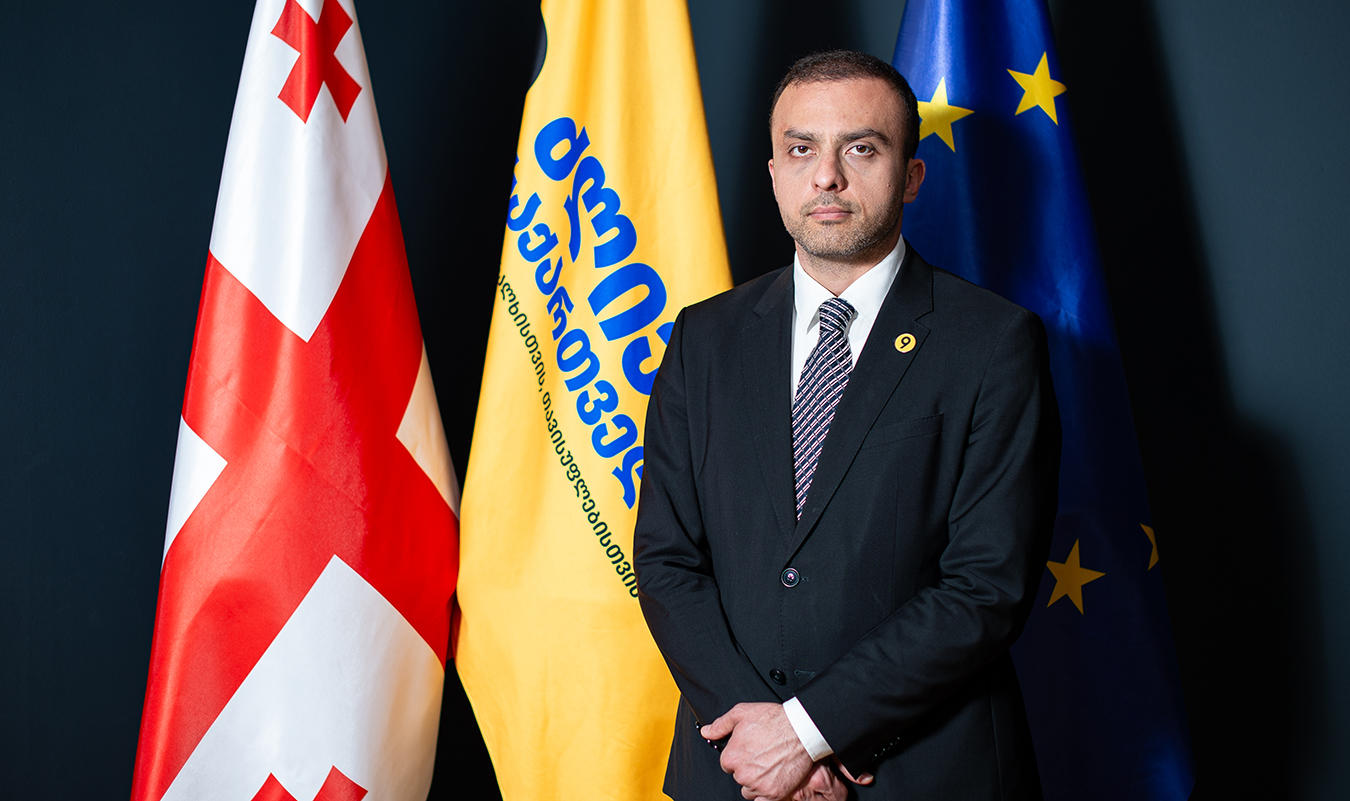
Andria Jaghmaidze: A perfectly logical question arises—has the time come to establish an ethics commission for the Charter of Journalistic Ethics? The organization has effectively turned into a defense bureau for radical media outlets that target the Church
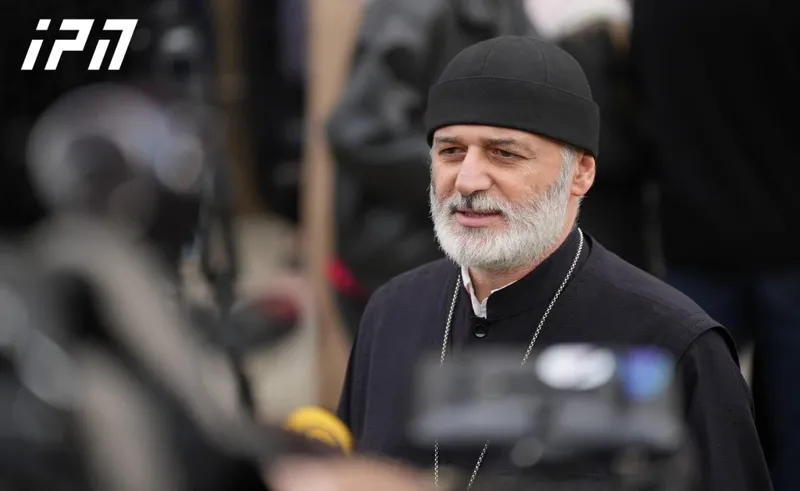
Archpriest Andria Jaghmaidze, Head of the Public Relations Service of the Patriarchate of Georgia, has issued a statement regarding the Charter of Journalistic Ethics.
Specifically, in a post shared on the social network Facebook, Andria Jaghmaidze responds to a statement by the Charter of Journalistic Ethics concerning a decision by the Patriarchate of Georgia—a decision that resulted in the denial of accreditation to representatives of TV Pirveli and Formula for the October 14th celebration of Svetitskhovloba.
Andria Jaghmaidze accuses the Charter of Journalistic Ethics of "biased" approaches, asserting that the organization has transformed into a "defense bureau for radical media outlets directed against the Church." Archpriest Andria Jagmaidze poses the question: "Has the time come to establish an Ethics Commission for the Charter of Journalistic Ethics?"
On October 15 of this year, the Charter of Journalistic Ethics of Georgia issued a statement in response to a decision by the Patriarchate of Georgia—a decision that resulted in the denial of accreditation to representatives from the television channels TV Pirveli and Formula during the Svetitskhovloba holiday on October 14.
The Charter describes this decision as "alarming." Citing arguments provided by Nodar Meladze, the Charter notes that the Patriarchate failed to explain the legal basis or the specific reasons for its decision to the television channels' management; in their correspondence, the Patriarchate merely pointed to an incident that took place in Martvili on March 8, 2021. In the Charter’s view, drawing a parallel between that incident and the coverage of the Svetitskhovloba holiday is inappropriate. Furthermore, the restriction on accreditation is characterized as a discriminatory stance and an unjustified interference with the professional activities of the journalists. It is worth asking: has the Charter truly not observed any ethical misconduct by journalists since 2021? Has it not reviewed video footage showing journalists behaving in a questionable manner toward clergy—including instances where they disrupted religious services and disregarded established rules?
First and foremost, the Charter of Journalistic Ethics should have focused on journalistic ethics itself and examined the reasons behind the Patriarchate’s decision more thoroughly. If it chose to take an interest in Nodar Meladze’s perspective, it ought to have maintained objectivity by also seeking clarification from the Patriarchate’s Public Relations Department, rather than issuing an "alarming" statement based solely on a single, one-sided source”, Jagmaidze says.
According to him, "The biased statement by the Charter of Journalistic Ethics suggests that the organization has transformed into a body that defends radical media outlets hostile toward the Church. While protecting the rights of journalists is certainly important, this cannot—and should not—entail turning a blind eye to violations of professional ethics or granting journalists an unconditional exemption from accountability.
Consequently, when the impartiality and professional responsibility of an organization dedicated to upholding journalistic ethics become questionable themselves, a perfectly logical question arises: is it not time to establish an ethics commission for the Charter of Journalistic Ethics itself?" writes Jagmaidze.