25% of children in Georgia have slightly elevated blood lead levels, 16% - relevantly high blood lead level
According to the current study, 25% of children in Georgia have slightly elevated blood lead levels, while 16% of children have relevantly high lead levels in their blood, the National Center for Disease Control and Public Health said on Tuesday.
According to NCDC, a lead exposure study was conducted in the period from September to December of 2018 within the frameworks of the Multiple Indicator Cluster Surveys (MICS), which is the largest international household survey.
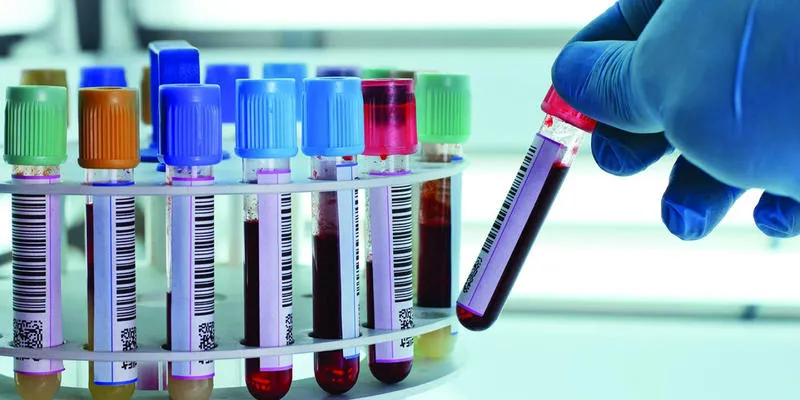
The National Center for Disease Control and Public Health said that a total of 1 578 children from2 to 7 years participated in the study. The blood samples were sent to Italy’s National Healthcare Institute (ISS), which is the world’s leading public health institute. The blood samples were alkalized by inductively coupled plasma mass spectrometry ( ICP-MS), which is one of the best standards that is recognized by the World Health Organization.
"According to the results of the study, the lead level in 25 percent of children in Georgia was 5-10 micrograms/dL, while 16 percent of children - > or = 10 micrograms/dL,” the NCDC said.
National Center for Disease Control and Public Health says that a normal, safe level of lead for humans has not been determined, but according to recommendations of the WHO and the US Disease Control and Prevention Centers, different public health measures should be planned for people with the blood level > or = 5 micrograms/dL.
"The Multiple Indicator Cluster Survey was conducted in Georgia by the National Statistics Office of Georgia with the support of the UNICEF, the National Center for Disease Control and Public Health, Italy’s National Healthcare Institute (ISS). The study was also supported by the Swedish International Development Cooperation Agency (SIDA), the United States Agency for International Development (USAID), the French Development Agency (AFD), the Swiss Development Cooperation Agency (SDC), the United Nations Population Fund (UNFPA), the United Nations Development Programme (UNDP), the World Health Organization (WHO) and the World Bank ", the NCDC said.