

Tengiz Tsertsvadze: We had about 8-9 micro-explosions, but they were localized in two weeks
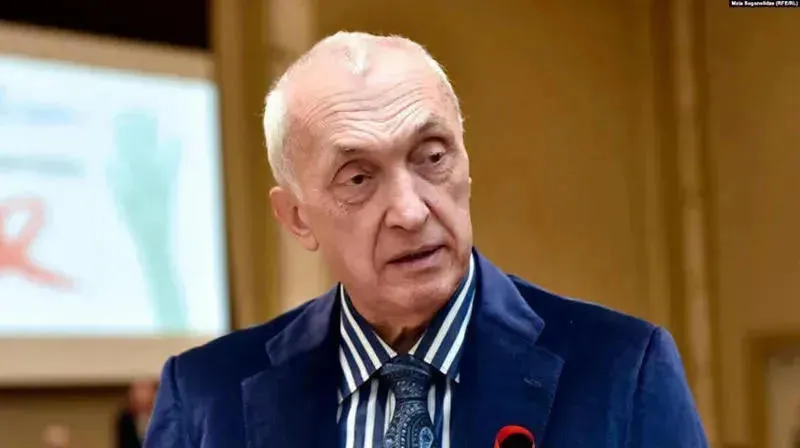
According to Tengiz Tsertsvadze, Director General of the Center for Infectious Diseases and AIDS, there is no need to close the Adjara region at this stage.
According to him, it is important that Georgia maintains sustainability from an epidemiological point of view and the infection rate has not increased sharply after restrictions were lifted.
"The closure of the region and introduction of emergency measures are not being considered at this stage. The increase in the number of cases in Adjara does not give grounds for alarm either. This is inevitable when we live in an environment of the Covid pandemic, when our four immediate and other neighbors have failed to achieve any reduction in the number of infected persons.
We cannot completely avoid certain micro-explosions, but I observe carefully and I can say that these micro-explosions and local increases have not gone beyond the limit when we may think that there will be mass spread of the virus in the country. Georgia not only achieved the greatest success in the fight against Covid compared to other countries, both in terms of the number of cases and the number of deaths, but most importantly, Georgia is so far the only country where the results achieved have proved to be sustainable. In every country, where restrictions were lifted, an increase in the number of cases was sharp, not like us”, Tsertsvadze said.
According to him, the low number of coronavirus deaths in Georgia is the result of effective measures taken by the government and doctors.
"The low death rate was not accidental in Georgia. It was the result of thoughtful and very effective response measures taken by the government and doctors, and the fact that these results are still sustainable today gives me reason to think that it will remain so.
We had about 8-9 micro-explosions - Marneuli, Tetritskaro, Bolnisi, Lentekhi, Kobuleti, Vani, Mestia – but instant measures were taken everywhere and the micro-explosions were localized in 2 weeks. The same will happen in Mestia”, said the Director General of the Center for Infectious Diseases and AIDS.