


Mamuka Mdinaradze: We should neither be hopeless nor place excessive hope on the period after January 20. If Trump succeeds in eliminating informal influences, the pressure on us will ease; if this doesn't happen, then turbulence will continue
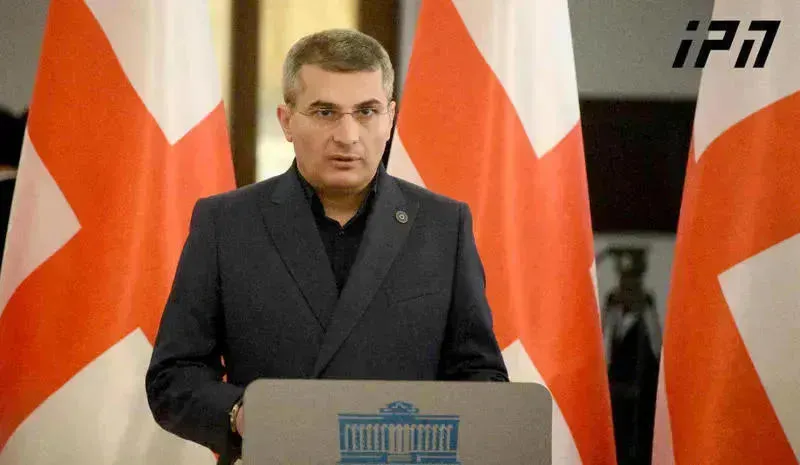
Mamuka Mdinaradze - "We should neither be hopeless nor place excessive hope on the period after January 20. Why? You remember Trump's two main promises, right? To put it subjectively and in a way that's understandable for everyone, the content of both promises benefits Georgia. One of them benefits us – ending the war, which naturally eliminates Georgia's interest in becoming a second front, and the second – defeating the 'Deep State.'
Trump and his future administration often refer to the 'Deep State,' which refers to the informal influences entrenched in the bureaucracy. Also, when informal governance was being criticized in Georgia, it turned out that the U.S. faces a similar issue.
Our positioning as a country will depend on what happens after January 20 and whether Donald Trump will be able to fulfill the promises mentioned above.
Trump and his allies, future leaders of his administration, often refer to the 'Deep State.' What do they mean by this? When we were pointed to informal governance, they referred to Bidzina Ivanishvili, the honorary chairman of the party, with the corresponding powers, such as the right to present candidates to the Prime Minister's Political Council. Which informal governance are they talking about? It turns out that, for example, 'The Hill,' a very influential publication, itself writes that the current administration has become a party of war. When we referred to the 'party of war,' we only added 'global' to distinguish it, so the people could identify the local, the 'National Movement' and its clusters, agents, and the global war party – those issuing orders from abroad. When we talk about the 'Deep State,' which our American colleagues and partners, especially future administration leaders, are discussing, it refers to the informal influences entrenched in the bureaucracy – informal, oligarchic influences in the bureaucracy. But the authors of these influences, whose influence we're talking about, we could refer to as the 'global war party' or global war forces, and so on.
So, these informal influences, informal governance, that they were accusing us of having in the past, it turns out these influences exist in a much bigger and stronger state than ours, and even the Americans admit this today.
Our country's positioning will depend on what happens after January 20, on whether Mr. Donald Trump will be able to fulfill his promises: first, whether he can influence an end to the war – in which case, the interest in turning Georgia into a second front naturally disappears, and second, how he will defeat these informal influences in the U.S. bureaucracy. If he succeeds in completely rooting out and defeating [the informal influences], the pressure on us will ease in any direction. If, unfortunately, this doesn't happen, then, naturally, turbulence will continue," said Mamuka Mdinaradze.










