Laura Thornton: The language of the sanctions text is very general and broad. If Georgian banks do not comply, they will be cut off from international financial institutions and the SWIFT system. Ivanishvili is not an untouchable lord

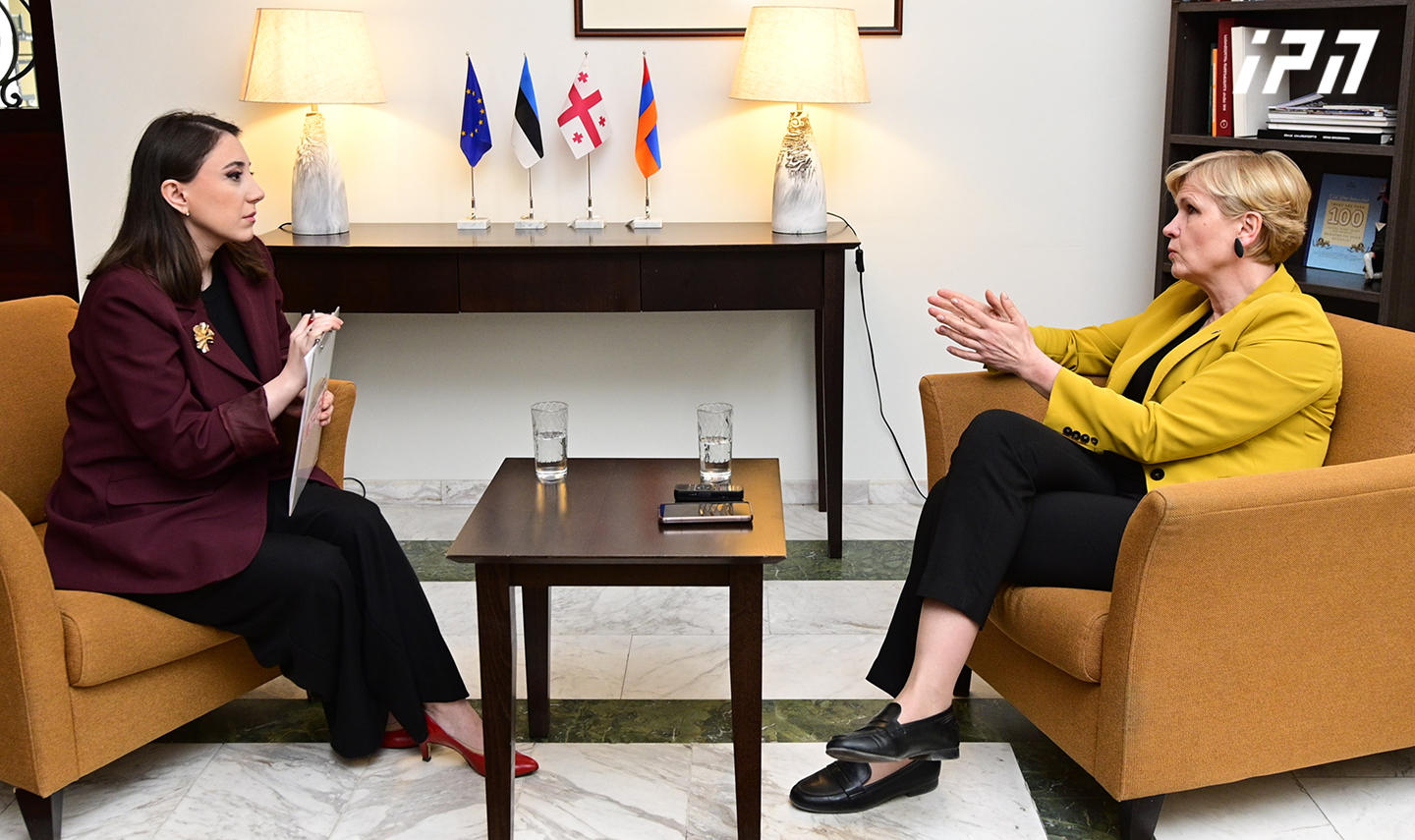
The text provides a detailed analysis by Laura Thornton, head of global programs at the McCain Institute, on the sanctions imposed by the United States on Bidzina Ivanishvili, honorary chairman of "Georgian Dream." She shared her views in an interview with the Georgian service of "Voice of America."
Thornton emphasizes that the sanctions' language is broad and could have far-reaching implications. If Georgian banks fail to comply, they risk disconnection from international financial institutions and the SWIFT system. This action underscores that Ivanishvili is not "untouchable" and reveals his vulnerability, potentially exposing cracks within "Georgian Dream" leadership.
Thornton also highlights the practical financial consequences of the sanctions. While Ivanishvili may have concealed his assets, the sanctions complicate financial transactions, especially for entities associated with him. The sanctions extend to indirect links, possibly affecting his family members. This conveys a message that Ivanishvili is not invincible and is subject to consequences.
Thornton critiques Georgian Prime Minister Irakli Kobakhidze's dismissal of the sanctions as inconsequential, suggesting he is feigning control over the situation. She argues that such statements are misleading, pointing out that prior sanctions against officials were similarly downplayed, exposing the regime's fragility.
Thornton concludes that sanctions are a pressure tool designed to prompt behavioral change, ideally steering "Georgian Dream" back to democratic processes, including negotiations for free and fair elections. She notes that U.S. Secretary of State Antony Blinken explicitly linked Ivanishvili’s sanctions to anti-democratic actions and collaboration with Russia, making the situation more complex.
Regarding the timing of the sanctions, Thornton views it as significant, symbolizing U.S. support for Georgian democracy and activists fighting for democratic values. The sanctions were declared just before the inauguration of the new U.S. president, reinforcing the message that the U.S. stands by Georgia in its democratic aspirations.