An MP will be allowed one-time access to a penitentiary facility without special permission
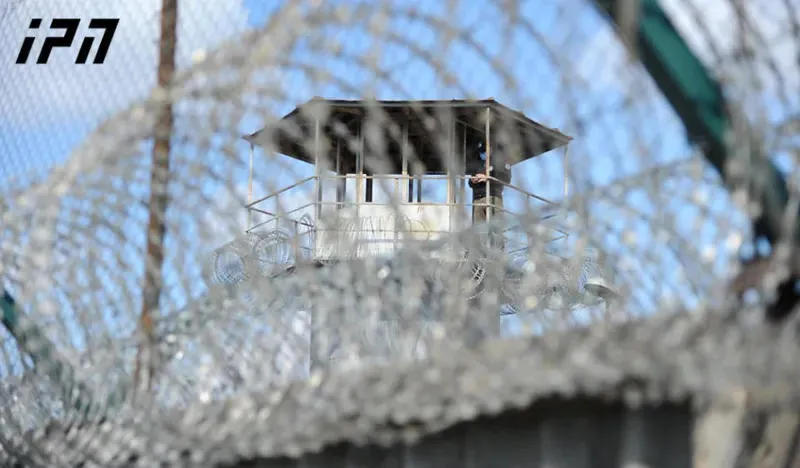
An MP will be allowed one-time access to a penitentiary facility without a special permit, with the approval of the Speaker of Parliament.
As part of the new parliamentary regulations, Georgian Dream is introducing changes regarding MPs’ access to penitentiary facilities without special authorization.
Under the current rules, a Member of Parliament may be granted access to a penitentiary facility without special permission based on a personal request, a request from a committee or a temporary investigative commission, or by order of the Speaker. Additionally, the Speaker of Parliament currently has the right to enter such facilities without special permission.
According to the new regulation outlined in the draft of the new parliamentary rules, the Speaker will retain the authority to access penitentiary institutions without special authorization. An MP, however, will only be able to enter once — with the Speaker's prior consent.
As Shalva Papuashvili explained, the need for this change arose from the previous parliamentary term and the frequent visits of United National Movement members to meet with convicted Mikheil Saakashvili. According to Papuashvili, the regulation was clarified to prevent misinterpretation — “as if someone has a subscription for entering a penitentiary facility.”
“This issue was relevant in the previous Parliament. Due to the political activism of the former president and convicted Mikheil Saakashvili, his entire political team tried to spend day and night in the facility where he was held. They were visiting almost daily. Later, when I stated that I would no longer allow his political team members to continue doing this — since they were using the visits as a form of rendezvous — they tried to reinterpret this tool as some kind of MP privilege, which does not reflect the actual legislative framework,” Papuashvili said during a meeting of the Procedural Issues and Rules Committee, where the new regulation draft was presented in its first reading.
The new regulation is set to come into force on July 1, 2025. Upon its enactment, the current regulation adopted in 2018 will be declared void.