Nika Gvaramia: Politics is banned exactly where it is practiced in Georgia: in the streets, party and NGO offices, social media, and the media – it is forbidden for everyone
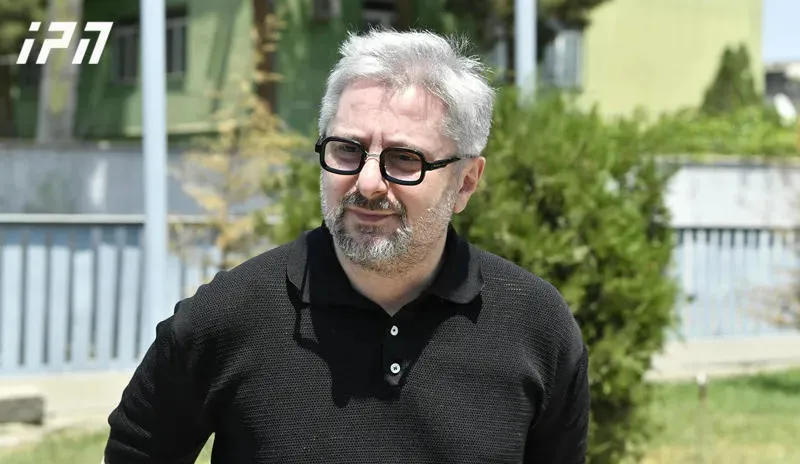
The leader of the Coalition for Change, Nika Gvaramia, has published a letter from prison.
In his letter, Gvaramia responds to the activation of the so-called “Moscow Mechanism” against Georgia by OSCE member states and also addresses the current political and social developments in the country.
“The main news, of course, is the activation of the so-called OSCE Moscow Mechanism. Some people may know what this means, but many probably do not: it is applied only in the most severe cases and, over its 35-year history, has been invoked only a few times (for example, in cases such as the genocide in Chechnya, the dictatorship in Belarus, and similar situations). Many people - especially ‘orthodox’ lawyers - did not believe that the OSCE would activate such an unprecedented and severe instrument in relation to Georgia. I am glad they were wrong, and I congratulate everyone who believed this would happen, who worked on it, and who, in general, believes that the fate of the homeland is not decided in one-day battles; that sitting in parliament alone is not politics; and that the most important patriotic work can be done perfectly well from a party office, from Rustaveli Avenue, and even from a prison cell. Damaging a regime requires brains and courage, endurance, and patience.
As for the major current issues - which I do not think coincidentally overlapped with the OSCE’s verdict on ‘Dream’ (and yes, even the activation of the Moscow Mechanism itself is already a verdict) - I will write briefly: an Nvidia factory is opening in Yerevan, and the Technical University in Tbilisi is being closed. Clearly, it is being closed and is not being merged with anything. That is one point. The second is that politics is being banned exactly where it is practiced in Georgia: in the streets, in party and NGO offices, on social networks, and in the media. It is forbidden for everyone - politicians, activists, businesspeople, citizens, artists, journalists. In short, for everyone who engages in real politics in Georgia - not its formal imitation.
I will also briefly mention debates, which, of course, will not happen. And they will not happen by the decision of ‘Dream’: refusing debates (years ago already) was a strategic, not a tactical, decision for ‘Dream.’ In this way, they simultaneously achieved several objectives:
They avoided a series of total defeats in front of the public (which is why they did not appear on opposition TV channels);
They cleared the TV space of all narratives except propaganda (which is why they did not allow the opposition onto their own TV channels), thereby excluding any critically minded person from live broadcasts;
They carried out a complete sterilization of their own members in terms of human communication and everyday socialization. They isolated them, alienated them, and simply forbade them from communicating with any ‘outsider’ - whether a fellow politician, a journalist, or anyone else. The emotional invalidation and social isolation that result from this lead to a willingness to do anything, to justify anything, and to zero empathy. This is, to a large extent, what Ivanishvili’s regime stands on, and it has no reason to commit hara-kiri just to please journalists and allow Irakli Kobakhidze to have Zura Japaridze and Giga Bokeria dragged around by their hair.
And anyway, if anyone does want debates (if that ever happens), they should go - there is really no need to worry. The main thing is that no one followed the ‘Georgian Dream’ into parliament and no one registered as an agent. I place an equal sign between these two things and consider them to be the turning point in the Georgian political struggle. Everything else is just lyrics,” Gvaramia writes.