Tengiz Sharmanashvili on the unification of part of the opposition: These radicals were never really split; their masters simply changed the configuration, and now they have reunited them
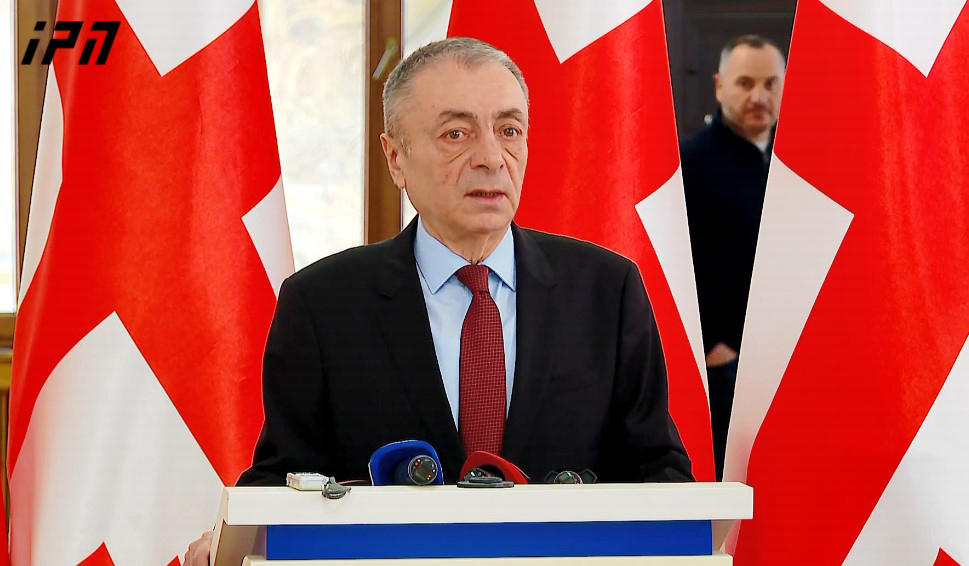
“All previous attempts at unification have ended in failure - I hope our voters will not be deceived, just as they have not been deceived before,” stated “Georgian Dream” MP Tengiz Sharmanashvili when commenting on the unification of part of the opposition.
According to him, opposition representatives know they cannot gain the people’s trust, and therefore “together with their masters, they are considering revolutionary scenarios.”
“These radicals were never really split; their masters simply changed the configuration, and now they have reunited them again. We have seen similar manipulations from their masters before. I hope our voters will not be deceived, just as they have not been deceived before. They do not believe that power should change through constitutional methods. The main source of coming to power is the people, yet they do not work with them. These people do not establish contact with voters; during elections, they go to Brussels and Berlin or organize four-person gatherings in the regions. All previous attempts at unification have ended in failure. The circle that led during the ‘National Movement’ regime is an agency of radical forces that is not allowed to act independently. They are moved here and there from time to time. This is not about average or low-level ‘Nats.’ This is about the creators of the regime,” Sharmanashvili stated.
To remind you: An “Opposition Alliance” has been formed among part of the opposition parties. The document is signed by “Coalition for Change,” “United National Movement,” “Strategy Aghmashenebeli,” “Federalists,” “National Democratic Party,” “European Georgia,” and “Tavisuplebis Moedani” (Freedom Square).
The signing opposition forces agree on a common strategy and joint rules of action and declare that through collective efforts they will liberate Georgia from Bidzina Ivanishvili’s “autocratic regime,” restore the country’s Euro-Atlantic course, and ensure democratic governance.
The agreement is based on several principles, including “unity without uniformity.” Specifically, according to the document, the founding parties of the alliance retain their ideological identities but agree on unified protest actions and a common communication strategy.
Additionally, the participating parties agree on a code of conduct that regulates the rules of interaction among the signatories and establishes responsibility for any violations.
The “Opposition Alliance” pledges that it “will fight to the end - until the release of political prisoners and victory in free and fair elections.”