Elene Khoshtaria on the Kobakhidze–Rubio call: This call is a positive sign - increased U.S. engagement signals interest, where addressing the Russian factor will be inevitable - parallel communication alongside clear pressure is in our interest
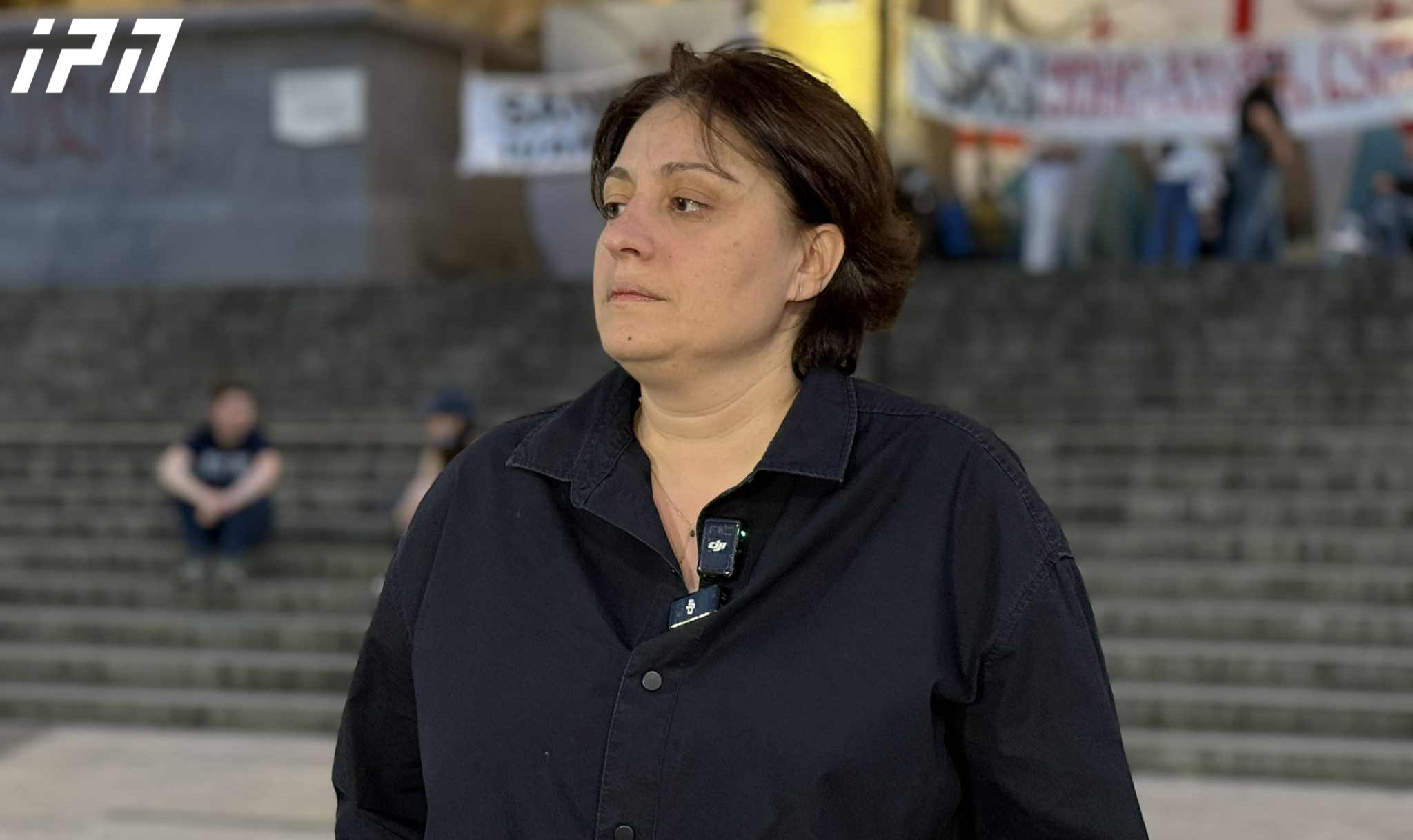
In a letter sent from a penitentiary institution, Droa party leader Elene Khoshtaria commented on the phone call between U.S. Secretary of State Marco Rubio and Prime Minister Irakli Kobakhidze.
“Greater U.S. engagement reflects an expression of interest toward Georgia, where addressing the Russian factor will be an unavoidable element. This is not only in our interest but also in that of the United States. U.S. inaction would give the regime more room for boldness. Parallel communication combined with clear pressure is in our interest,” Khoshtaria wrote.
According to the letter, if the context is properly considered, the call is a positive sign for Georgia, not for Russia.
“A phone call from the U.S. Secretary of State to Kobakhidze requires clarification from us, the opposition. It may raise legitimate questions about recognition and the relevance of the democratic agenda. However, if we look at the context, this call is a positive sign for us — for Georgia, not for Russia. We must pay attention to the chain of events and the forms of communication.
Recognition would mean an official visit of Georgia’s de facto authorities to the United States — this has major significance in diplomacy. Communication can be a form of pressure or recognition, depending on the balance of power, the issues discussed, the format, and the context. An official visit implies recognition, while a phone call conveys a working message from a powerful state. For example, Vance’s visit was an official one.
In terms of context, U.S. ‘anti-Russian’ actions (as I would call them, since even if not explicitly stated, they weaken Russia’s position) have extended into our region — including Iran and TRIPP. Regarding Iran, the United States has a negative stance toward the strengthening of Iranian influence in Georgia, as clearly demonstrated by the Hudson Institute study. In the context of TRIPP, Georgia’s democratic development and genuine peace are key factors for its success.
As for relations, we already have established facts: a clearly business-oriented visit by a State Department representative and communication with the opposition, an activated Congress, the suspension of strategic partnership, and the isolation of the ruling party. Sanctions have already been signed by Trump.
Taking all these factors into account, increased U.S. engagement signals interest in Georgia, where addressing the Russian factor will inevitably be part of the process. This aligns not only with our interests but also with those of the United States. U.S. inaction would embolden the regime further. Parallel communication alongside clear pressure is in our interest.
Now, the role of protests and the opposition becomes even more important. The initiative for nationwide mobilization culminating on May 26 is timely and appropriate in this regard. Demand accountability and answers from the opposition on all issues — do not give us the luxury of making mistakes. Until the end! Long live independent Georgia!” the letter states.