Public Defender - 18 years after the 2008 war, the practices of illegal detention and imprisonment by the occupation regimes for the so-called illegal border crossing, as well as access to education in their native language, remain challenges
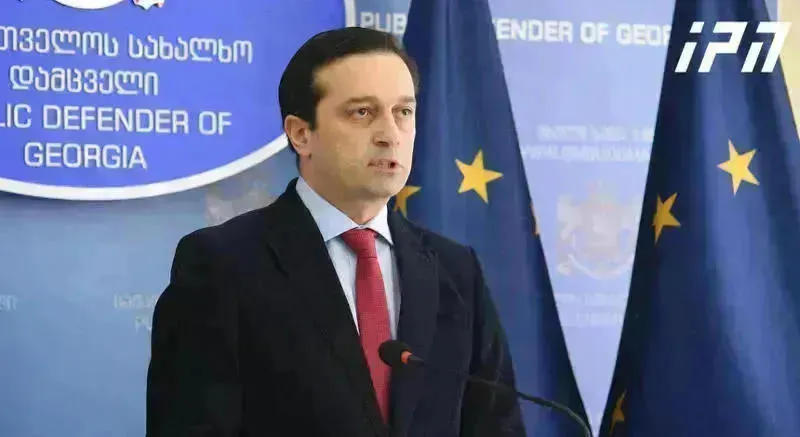
18 years have passed since the 2008 August War between Russia and Georgia. Almost two decades after the end of the war, its consequences are still reflected daily on the population remaining in the occupied territories and living near the occupation line, - reads a statement issued by the Public Defender's Office.
According to the Public Defender, the practices of illegal detention and imprisonment by the occupation regimes for the so-called illegal border crossing, as well as access to education in their native language, remain challenges.
“The violation of the right to life and impunity were indicated by the decision of the European Court of Human Rights of June 23, 2026, which held the Russian Federation responsible for the murder and torture of Giorgi Antsukhelidze and other Georgian servicemen.
The most important challenge remains the practices of illegal detention and imprisonment by the occupation regimes for the so-called illegal border crossing, both in the direction of occupied Abkhazia and the occupied Tskhinvali region.
According to official data, from 2008 to 2026, 3,664 people were illegally detained by the Russian occupation forces, 2,062 of them in the direction of occupied Abkhazia, and 1,602 in the direction of the occupied Tskhinvali region. As for the illegal imprisonment, as of 2026, 11 Georgian citizens still remain in illegal imprisonment in the occupied Tskhinvali region, and 6 citizens in the direction of occupied Abkhazia.
Another important challenge is related to the availability of education in the native language in the occupied territories. Education in the Georgian language has been completely banned in the primary grades of all schools of occupied Gali and Akhalgori and the native language has been transformed into a subject of foreign language and literature, which is why the number of students is decreasing year by year. In addition, cases of ethnic persecution and psychological pressure on schoolchildren and teachers by representatives of the de facto regime continue.
Such illegal actions by the occupation regime grossly violate the rights and freedoms of the population living in the occupied territories, which once again proves the necessity of allowing international human rights observation missions to work in the occupied territories.
The Public Defender of Georgia expresses its readiness, within the framework of its mandate, to promote the strengthening of dialogue and cooperation focused on the protection of human rights”, reads the statement.