Tamar Iakobidze: Baramidze’s statement that Georgians executed prisoners is not a verbal opinion - he changed his interpretation several times - I confirm this through the questioning of representatives of the relevant agencies
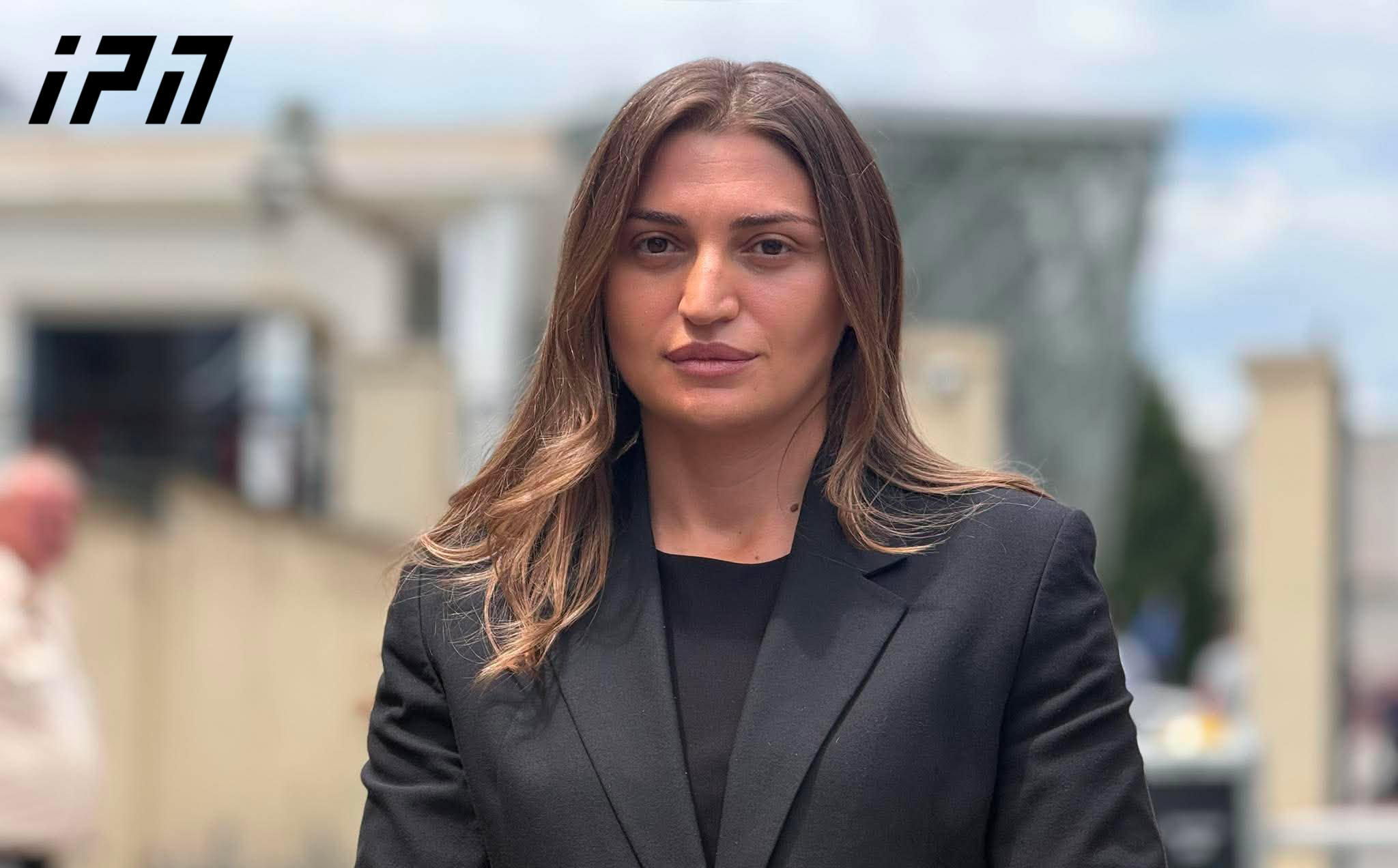
“Giorgi Baramidze tried to change the interpretation of his statement several times after he realized the potential responsibility arising from what he had said, particularly when he indicated that he personally went to the front line to ensure that prisoners were captured,” Tamar Iakobidze, the prosecutor in the case against Giorgi Baramidze, one of the leaders of the United National Movement who has been detained on charges of sabotage, said.
According to her, every circumstance specified in the decision on bringing charges in the criminal case is supported by witness testimony presented in the case.
“The charges brought in this case concern obstructing state institutions from carrying out their normal activities and functioning normally. In this case, the evidence presented includes records of interviews with representatives of various state agencies, and these interview records provide detailed information about the circumstances reflected in the decision on bringing charges. I do not know why the defense was unaware of this, since they confirmed to us that all evidence had been handed over. It is possible that they did not fully familiarize themselves with the case, which certainly is not a problem for the prosecution. This includes the questioning of authorized representatives of state agencies. I can confirm that representatives of the Ministry of Foreign Affairs and the Office of the State Minister for Reconciliation and Civic Equality were questioned.
Evidence has been presented in the criminal case, and these witnesses should be questioned during the substantive hearing. Regarding any questions that may arise about the extent to which the activities of any agency were harmed or disrupted, both the prosecution and the defense will have the opportunity to raise questions.
Relevant representatives were designated by the agencies and were questioned during the investigation.
Giorgi Baramidze’s statement, which, incidentally, we heard interpreted in several different ways during today’s court hearing, is supported by the evidence presented in the criminal case and, of course, confirms the offenses provided for under Article 318 as well as Article 307¹.
Every circumstance specified in the decision on bringing charges is supported by witness testimony presented in the criminal case. We will examine the testimony of these witnesses during the substantive hearing.
In this criminal case, military personnel and members of veterans’ organizations have been questioned, as well as individuals who participated in the war in Abkhazia.
The charges brought against Giorgi Baramidze — a former Interior Minister, former Defense Minister, former State Minister for European and Euro-Atlantic Integration, former five-term member of parliament, and, as he added during today’s hearing, a former deputy prime minister — concern his statement that Georgian servicemen executed prisoners during combat operations. This constitutes a violation of norms established by humanitarian law. Accordingly, this amounts to accusing Georgian servicemen of committing a war crime.
Giorgi Baramidze stated that Georgian servicemen executed prisoners, and, in the prosecution’s assessment, this is not merely a verbal opinion. Giorgi Baramidze tried to change the interpretation of his statement several times after he realized the potential responsibility arising from what he had said, particularly when he indicated that he personally went to the front line to ensure that prisoners were captured,” Tamar Iakobidze said.
For reference, Giorgi Baramidze, one of the leaders of the United National Movement, was arrested on charges of treason against the homeland, specifically sabotage. He has already been ordered into pretrial detention.
The case concerns a statement made by Baramidze about the war in Abkhazia, specifically his claim that “during the initial stage of the 1992–1993 armed conflict in Abkhazia, members of the Georgian armed forces did not take prisoners and executed them on the spot.”
According to the Prosecutor’s Office, his statement damaged the reputation of Georgia’s Defense Forces and undermined the honor and dignity of veterans who participated in the Abkhazia war and deceased military personnel. At the same time, Giorgi Baramidze’s actions allegedly threatened the process of reconciliation and confidence-building with populations affected by the conflict, harmed Georgia’s peacebuilding and de-occupation policy, and obstructed the normal functioning of state institutions, including the activities of the Office of the State Minister for Reconciliation and Civic Equality and the effective functioning of mechanisms established by the office for confidence-building and cooperation.
The charge carries a sentence of up to four years’ imprisonment.