Gia Volski – Baramidze’s statement is a direct attack on the state
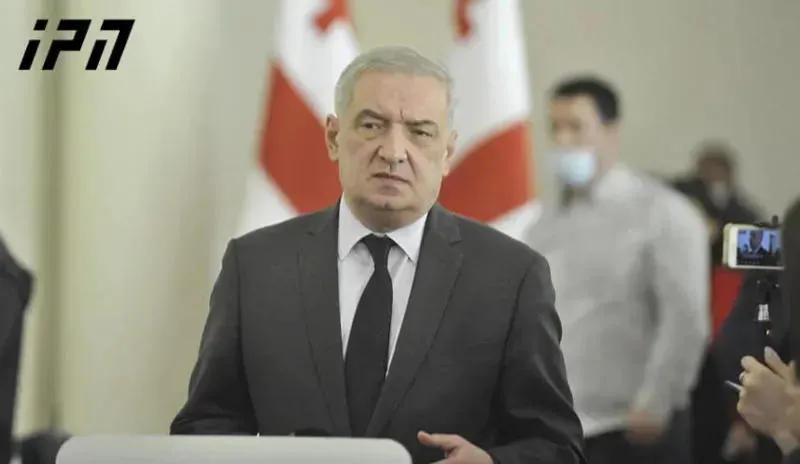
"Making such categorical and baseless accusations against Georgian military personnel—claiming they were committing such grave crimes—may well serve the interests of the opposing side," First Deputy Speaker of Parliament Gia Volski stated while speaking to journalists regarding the case involving Giorgi Baramidze, a leader of the National Movement.
According to him, inciting hatred against Georgians and reopening wounds that have not yet healed is a primary objective of the opposing side, and the statement made by Gia Baramidze serves this very purpose.
"Making such categorical and baseless accusations against Georgian military personnel—claiming they committed such grave crimes—may well serve the interests of the opposing side. That opposing side has been found by the Strasbourg Court to be carrying out an occupation—a very serious charge. Baramidze is essentially claiming that the side which fought against Georgia and its territorial integrity was right. Firstly, the claim that these events took place is a lie; secondly, it constitutes a direct attack on the state itself.
Russia has already responded by claiming that the individual is being persecuted for telling the truth. Fomenting hatred toward Georgians and reopening wounds that have yet to heal is, of course, a primary objective of our adversary, and the statement made [by Baramidze] serves that very purpose," stated Gia Volski.
For context, Giorgi Baramidze, a leader of the National Movement, was arrested on charges of high treason—specifically, sabotage. The case concerns a statement Baramidze made regarding the war in Abkhazia—specifically, that "during the initial stage of the 1992–1993 armed conflict in Abkhazia, representatives of the Georgian armed forces did not take prisoners but instead executed them on the spot."
According to the Prosecutor's Office, the statement damaged the reputation of the Georgian Defense Forces and tarnished the honor and dignity of veterans who participated in the Abkhazia war and of fallen military personnel. At the same time, Giorgi Baramidze’s actions jeopardized the process of reconciliation and confidence-building with the conflict-affected population, undermined Georgia’s peace and de-occupation policy, and impeded the normal functioning of state agencies—including the operations of the Office of the State Minister of Georgia for Reconciliation and Civic Equality and the effective functioning of mechanisms established by the Office for confidence-building and cooperation.
The aforementioned charge carries a penalty of up to four years of imprisonment.