33 years since the fall of Sokhumi
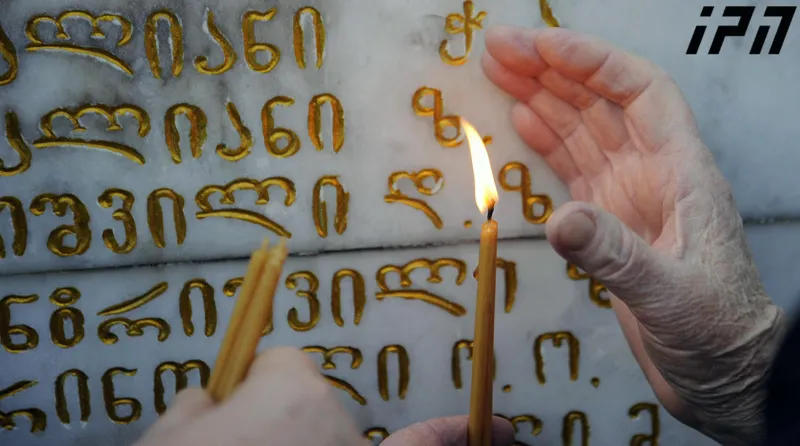
Thirty-three years have passed since the fall of Sokhumi.
The military conflict in Abkhazia began on August 14, 1992. The "Abkhazian Guard"—a force established by the order of Vladislav Ardzinba, Chairman of the Supreme Council of Abkhazia—opened fire on the National Guard of the Georgian Ministry of Defense near the village of Okhurei in the Ochamchire district; the National Guard had entered Abkhazian territory to secure the Sochi-Ingiri railway section.
The State Council decided to deploy the National Guard to Abkhazia to protect the Sochi-Ingiri railway line on August 11, following an agreement with Vladislav Ardzinba. Despite this agreement, the "Abkhazian Guard" resisted the Georgian National Guard's movement through the Ochamchire and Gulripshi districts and the city of Sokhumi, triggering the outbreak of hostilities in Abkhazia. The military conflict in Abkhazia lasted 13 months and 13 days, concluding on September 27, 1993, with the fall of Sokhumi and the defeat of the Georgian Armed Forces.
On September 16, 1993, the Abkhaz side violated the Sochi Agreement of July 27—which mandated a ceasefire and the disengagement of forces—and launched an assault to capture Sokhumi. The battle for the city lasted 11 days. Early on the morning of September 27, Abkhaz-Russian, North Caucasian, and Cossack units stormed the Council of Ministers building in Abkhazia; they captured Zhiuli Shartava (Chairman of the Council of Ministers), Guram Gabeskiria (Mayor of Sukhumi), and 27 other Council employees, all of whom were subsequently executed by shooting.
Russian-Abkhaz units took up positions along the Enguri River on September 30, 1993. The authorities of the self-proclaimed Republic of Abkhazia mark September 30 each year as the "Day of Victory over Georgia and Abkhazian Independence." According to data from the Georgian side—which remains unfinalized to this day—more than 10,000 Georgian soldiers and civilians lost their lives during the military conflict in Abkhazia in 1992–1993, while 300,000 ethnic Georgians displaced from the region were left homeless. Meanwhile, figures from the Abkhaz side indicate that 3,500 Abkhazians were killed and up to 2,000 were wounded.