Irakli Kadagishvili: The digressions made by the Iranian ambassador are irrelevant and fall outside the scope of an ambassador's duties; the ambassador should simply carry out his functions within the limits of his competence
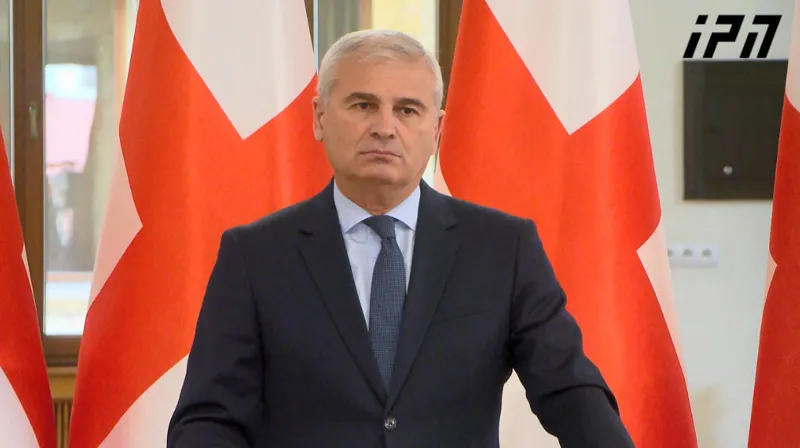
"The digressions made by the Iranian ambassador in this instance are completely irrelevant; they do not fit into the context of relations between the countries, and certainly do not fall within the scope of the ambassador's or the embassy's activities," stated Irakli Kadagishvili, an MP from Georgian Dream, in response to remarks made by Ali Mojani, the Iranian ambassador to Georgia.
According to Kadagishvili, the ambassador should simply carry out his functions within the limits of his competence.
“We do not treat anyone selectively. We approach everyone objectively, and everyone will face an adequate response commensurate with their actions. Regarding the Iranian ambassador specifically, let me state my position: the ambassador should simply carry out his duties within the scope of his mandate. The digressions he is engaging in are completely irrelevant in this context; they fall neither within the scope of relations between the two countries nor, certainly, within the proper activities of an ambassador or an embassy,” Kadagishvili stated.
For context, the Iranian ambassador to Georgia issued a statement announcing that he will soon share the results of his preliminary research with the public—research concerning Queen Ketevan, as well as documents and historical sources preserved in both Iran and Georgia.
“An Image of Queen Ketevan on the Facade of the Iranian Embassy in Tbilisi
This evening in Tbilisi, the facade of the Embassy of the Islamic Republic of Iran was illuminated with a beautiful, sacred image of Queen Ketevan.
For me, this image represents more than just the memory of a historical figure; it symbolizes a shared historical memory—one surrounding which numerous, often differing, narratives exist to this day.
I will soon share with the readers of this page the results of my preliminary research concerning Queen Ketevan, as well as the documents and historical sources preserved in both Iran and Georgia.
The material presented here will neither be an official version nor a claim to have said the final word on Ketevan; rather, it represents a historian’s personal perspective and assessment at this stage of the research. Naturally, this assessment should be supplemented, analyzed, critically reviewed, or revised in the future, based on additional sources and collaborative research by Georgian and Iranian scholars.
Perhaps re-examining such stories serves not merely as a return to the past, but as a way to get to know one another better and more deeply today," writes the ambassador.