Mikhail Kalugin: Georgia’s example shows that the EU prefers the language of ultimatums and threats—pushing the country toward a disastrous confrontation with Russia
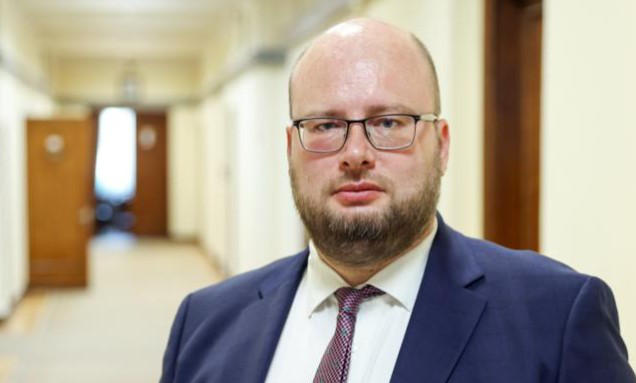
The European Union is pushing Georgia toward a disastrous confrontation with Russia; this was stated by Mikhail Kalugin, Director of the Fourth Department for CIS Countries at the Russian Foreign Ministry, in an interview with the Russian state news agency RIA Novosti.
Specifically, Kalugin asserts that Europeans "constantly target Tbilisi for not joining anti-Russian sanctions"—a key requirement for all EU candidates—while the Georgian government honestly responds that such restrictions would have no impact on Russia but would entail extremely severe consequences for Georgia itself.
“Georgia’s example clearly demonstrates that the European Union still prefers the language of ultimatums and threats, deeming it acceptable to dictate to countries whom they should engage with and which values they should uphold. In essence, Brussels demanded that the Georgian government acknowledge its right to interfere not only in the country’s foreign policy but in its domestic affairs as well. Georgia resisted this neo-colonial approach and the aggressive suppression of its sovereignty. That is precisely why the EU labeled it ‘democratically backward.’ Georgia has faced coercive pressure simply for acting in accordance with its national interests. The EU is pushing Georgia toward a disastrous confrontation with Russia. Furthermore, Tbilisi is constantly criticized for refusing to join anti-Russian sanctions—a requirement that is currently imposed on all EU candidates.
In response, the Georgian government frankly states that while such restrictions would have no impact on Russia, they would entail extremely severe consequences for Georgia itself. Consequently, Brussels has resorted to imposing sanctions against Georgian businesses as well,” he noted.
Mikhail Kalugin added that Russia proceeds from the premise that building relations with the European Union is the prerogative of the Georgian government.
"As for Georgia's ties with Russia, they are natural in character. In January–June of this year, bilateral trade turnover increased by nearly 20%, and Russians account for a quarter of the tourists visiting the republic. We are the primary consumers of traditional Georgian goods," Kalugin stated.
Regarding diplomatic relations with Georgia, he noted that the initiative must come from Tbilisi.
"I have nothing new to say on the issue of restoring diplomatic relations. The initiative must come from the Georgian side," Kalugin stated.