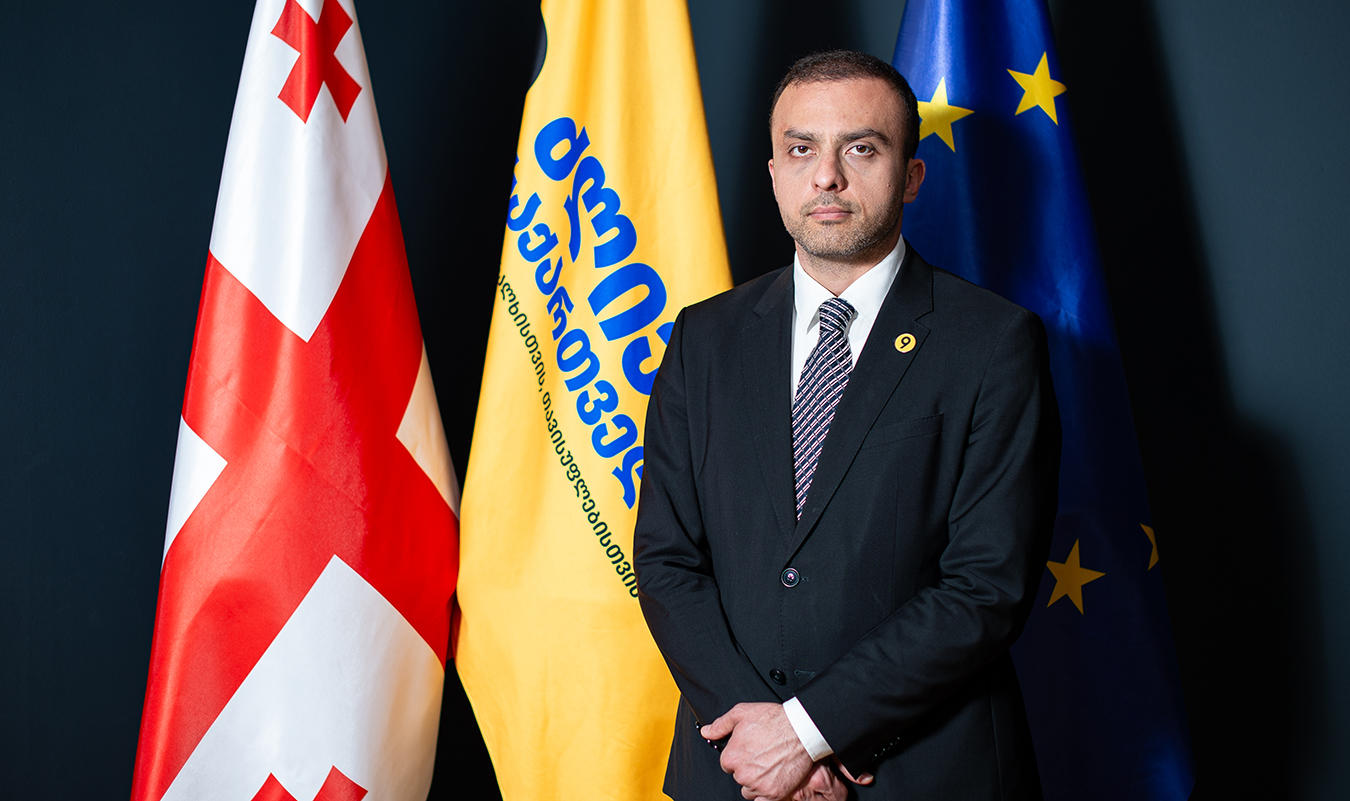
Lelo: Strong Georgia calls on Public Defender to present a legal position regarding the lawsuit seeking to declare political parties unconstitutional
Lelo – Strong Georgia urges the Public Defender to exercise the authority granted by the Constitution and the law to present a legal position concerning the lawsuit that seeks to have political parties declared unconstitutional.
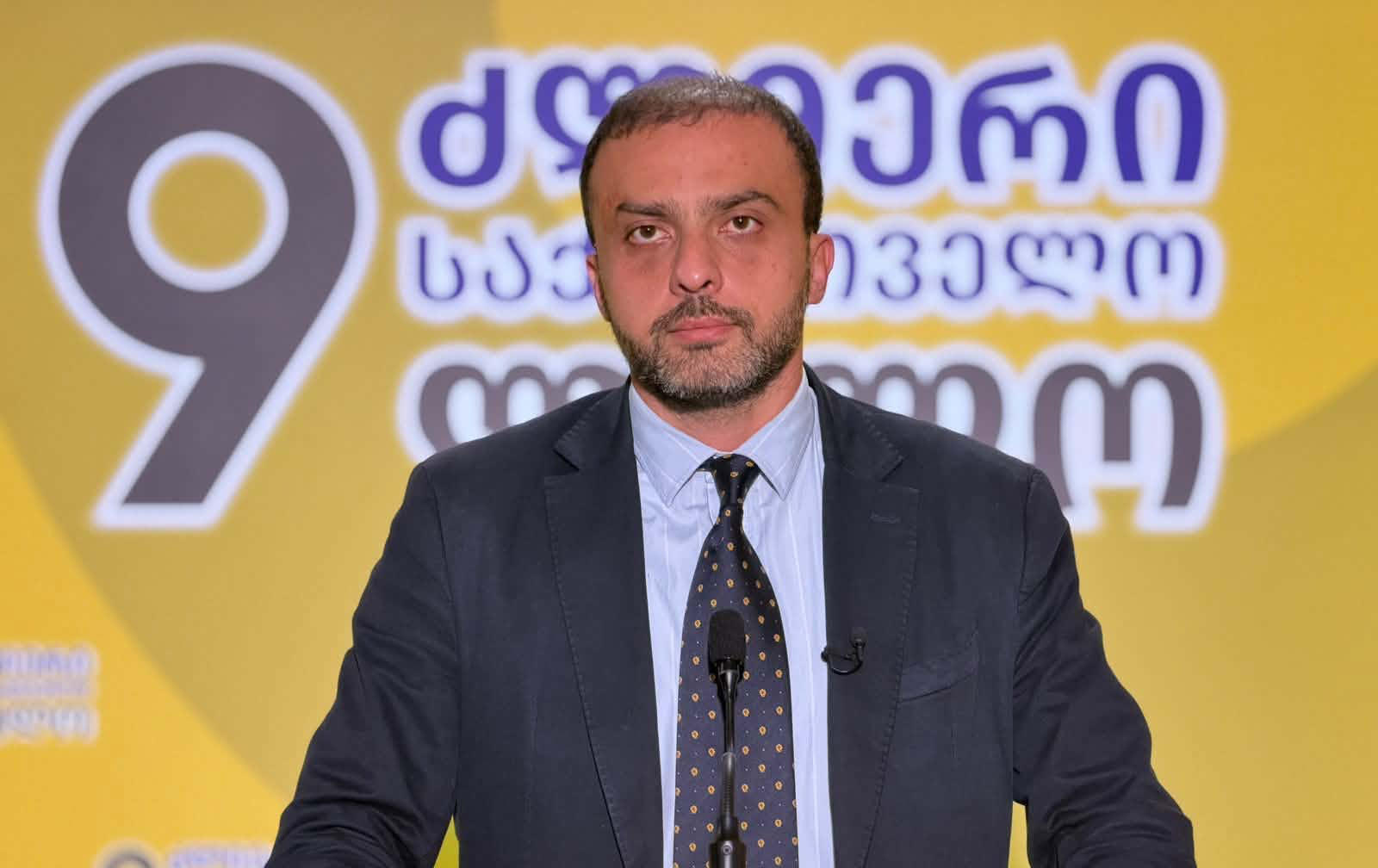
As Giorgi Sioridze, one of the leaders of Lelo – Strong Georgia, stated at a briefing today, if the Constitutional Court grants the lawsuit, the policy of "not provoking" Russia could effectively become a mandatory rule within the country's political life.
"Ivanishvili’s anti-Georgian 'Dream' is attempting to strip the Georgian people of their political choice and nullify the political will of a million citizens. The initiative to ban political parties is not merely a struggle directed against opposition political organizations; it is an assault on the fundamental rights of citizens, on democratic choice, and on Georgia’s constitutional order." We call upon the Public Defender of Georgia not to remain on the sidelines of this process, but rather to exercise the authority granted by the Constitution and the law to present a legal position. When the authorities deprive citizens of their right to make a political choice, the Public Defender must uphold human rights and the freedom of every individual—the Public Defender must stand up for the people.
Given that institutional safeguards within the country have collapsed, the utilization of every available legal and international mechanism is of critical importance. Everyone who recognizes that the fate of human rights and democracy in Georgia is at stake must take part in this process. We expect the Public Defender of Georgia to engage within the scope of their mandate and provide a legal assessment regarding the constitutionality—and the potential consequences—of restricting citizens' political rights.
However, the process of banning political parties carries risks that extend far beyond the mere prohibition of the political activities of opposition organizations and their representatives. In the legal filing, criticism of the ruling party’s foreign policy is characterized as "state sabotage." This sets a dangerous precedent, where opposition to the government’s foreign policy course could be declared an act against the constitutional order. If the Constitutional Court upholds the claim, the policy of 'not provoking' Russia could effectively become a mandatory rule for the country’s political life.
The Euro-Atlantic course, defined by Article 78 of the Constitution, is Georgia’s strategic choice—one linked to the country’s security, freedom, and the prospect of a peaceful future. This choice, however, runs counter to Russia’s imperial interests. If Georgia’s foreign and security policy is to be judged based on whether or not it 'provokes' Russia, then Article 78 will remain merely on paper, while the actual veto power over the country’s policy will shift to Moscow—to the Kremlin. This would amount not only to a disregard for constitutional principles but also to the subordination of Georgia’s sovereign rights to the interests of an occupying state," stated Giorgi Sioridze.