GYLA: According to the ECHR standards, the abolition of political parties is considered an extreme measure and can only be justified if there are compelling and weighty grounds
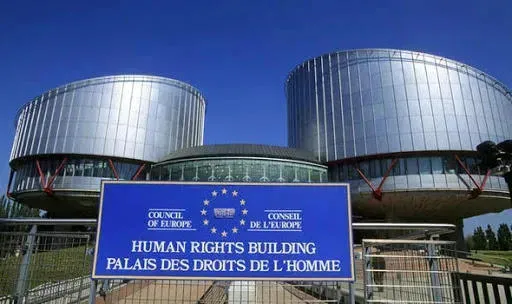
The Georgian Young Lawyers’ Association (GYLA) has published an overview regarding the banning of political parties within the case law of the European Court of Human Rights.
As noted by the Georgian Young Lawyers’ Association, under the standards of the European Court of Human Rights, the abolition of political parties is regarded as an extreme measure and can only be justified when there are convincing and weighty grounds.
Furthermore, the published material states that if a political system loses its democratic character—and the concept of a "defensive democracy" is employed against political opponents—this concept risks transforming from a means of protecting the democratic order into a legal instrument for politically motivated repression.
“Political parties play an essential role in ensuring democratic pluralism; consequently, according to the standards of the European Court of Human Rights, their dissolution is considered an extreme measure and can be justified only when compelling and weighty grounds exist. Although the state has the right to protect its constitutional order from political forces that seek to undermine its foundations by utilizing democratic mechanisms, the exercise of this authority is subject to strict legal limitations.
Furthermore, the legitimacy of employing mechanisms of a "defensive democracy" is inherently linked to the democratic nature of the political system itself. If a political system loses its democratic character and the concept of a "defensive democracy" is deployed against political opponents, this concept may transform from a means of safeguarding the democratic order into a legal instrument for politically motivated repression.
The international legal framework for the protection of the rights of political parties is primarily based on the rights to freedom of association, expression, and peaceful assembly, which are guaranteed by numerous regional and international human rights treaties. Georgia has ratified the European Convention on Human Rights (ECHR) and the International Covenant on Civil and Political Rights (ICCPR), thereby undertaking an obligation to ensure the protection of the rights enshrined in these documents. Consequently, the case law established by the European Court of Human Rights serves as an authoritative source for interpreting the provisions of the Convention and must be duly considered when considering the abolition of a political party,” reads the statement.
Furthermore, the document published by GYLA (Georgian Young Lawyers' Association) examines cases from the European Court of Human Rights’ jurisprudence—including instances where the Court deemed the banning of political parties justified, as well as cases where it found such bans to be unjustified.
“Assessing a political party’s compliance with the Convention requires that any interference with the freedom of association be prescribed by law, serve a legitimate aim as defined in Article 11, paragraph 2 of the Convention, and be necessary in a democratic society. In evaluating this last requirement, particular importance is attached to the proportionality of the interference, the relevance and sufficiency of the justification provided by state authorities, and whether the intended legitimate aim could have been achieved through less restrictive measures," notes the statement.