


Irakli Pavlenishvili: It is necessary to study the Greek example, in the case of which altruistic surrogacy takes place - families who cannot have a child have the opportunity to have a child through altruistic surrogacy
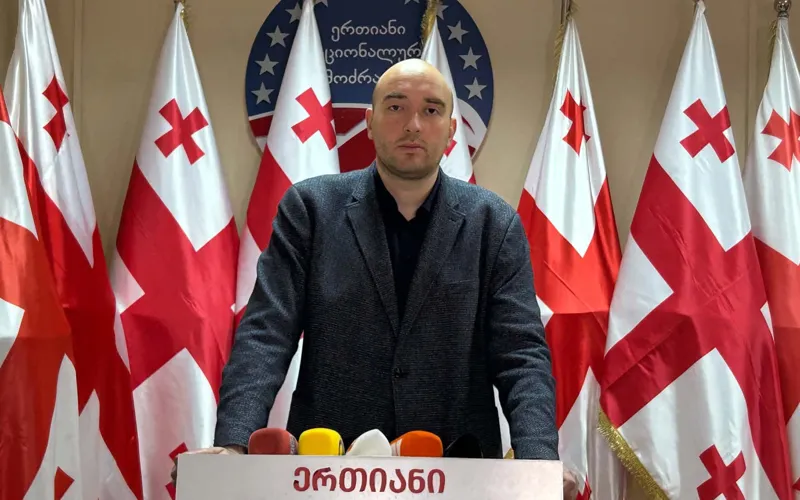
"There were reasonable suspicions and questions regarding this business as to who was patronizing mass-scale commercial surrogacy in Georgia, which is why the position of the Patriarchate of Georgia in this direction was logical," stated Irakli Pavlenishvili, Chair of the Governing Board of the "United National Movement." According to him, commercial surrogacy increases the risks of violations of women's rights and trafficking.
"Regarding the issue of surrogacy, as for the 'National Movement's' perception and position, we have such a position that in the majority of European Union countries, of course, commercial surrogacy is banned, and this is also the practice of Christian countries—not only Catholic, including Orthodox countries—because commercial surrogacy increases risks in terms of violations of women's rights and trafficking.
In general, regarding this business, there were reasonable suspicions and questions as to who was patronizing mass-scale commercial surrogacy in Georgia, which is why the position of the Patriarchate of Georgia in this direction was logical. However, proceeding from the demographic catastrophe and that human aspect that childless families should have the opportunity to have children, we believe that it is necessary to study the Greek example, in the case of which altruistic surrogacy takes place—that is, families who cannot have a child have the opportunity to have a child through altruistic surrogacy; we think that in addition to the human aspect, this is also a national and demographic issue.
The country has a catastrophic situation, which poses an existential threat to our country in terms of demographic catastrophe, and in this direction it is particularly important that we refine this practice and that altruistic surrogacy exists in the country so that childless families can have a child," Irakli Pavlenishvili noted.
According to Parliamentary Majority Leader Irakli Kirtskhalia, at a majority session a decision was made regarding the ban on surrogacy in Georgia. As Kirtskhalia noted, the main basis for the decision is significant ethical and legal risks related to surrogacy. "The main basis for the decision is significant ethical and legal risks related to surrogacy, especially in the direction of human trafficking, potential exploitation of women, and protection of children's rights. Let's take in a 100% slice the developments occurring in this sphere: 98% are not citizens of Georgia who use this service in our country. Somewhere around 2% are citizens of Georgia, and the state will do everything to give maximum support to our citizens. As for international practice, almost no country remains, including if we take European Union countries, where it is either banned or very strictly regulated. In fact, there are 5–6 countries, including Georgia, from the post-Soviet space, where this topic still remains," Kirtskhalia stated.










