


Shalva Papuashvili: Transparency International Georgia has a stated political goal of changing the government - accordingly, they adapt their reports to the idea that Georgian government has to change
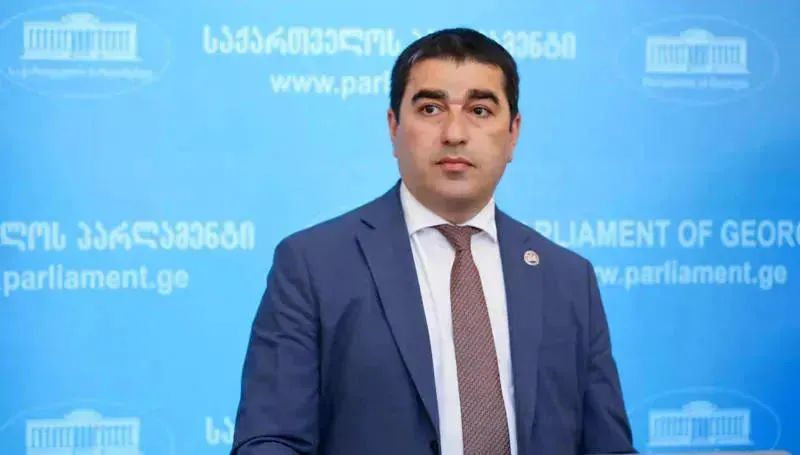
Transparency International Georgia has a stated political goal of changing the government. Accordingly, they adapt their reports to the idea that Georgian government has to change.” The Chairman of the Parliament of Georgia, Shalva Papuashvili, stated that all such reports are not only biased but also manipulative and misleading, with the harmful intention of discrediting democratic institutions.
According to him, this demonstrates the extent to which foreign funding is being used to undermine democratic institutions, with Transparency International Georgia being a classic example.
When they talk about "silent MPs," they create the impression that all MPs should discuss everything during the plenary session. One should examine examples from other countries, such as Sweden, which funds Transparency International. It would be worthwhile to determine whether all deputies in the Swedish Parliament speak or not and give speeches during the plenary session. This is not unprofessionalism but a harmful intention to discredit democratic institutions. Donors have a responsibility to investigate such reports and understand why manipulative facts are being spread, as their funding discredits democratic institutions in another country. Papuashvili urges all donors to examine these reports to see the manipulative and misleading information being disseminated. It is unfortunate that such discrediting campaigns are being conducted in Georgia with foreign funding,” - Papuashvili said.
According to the Transparency International Georgia report, the transparency of the Parliament significantly worsened in 2022. Media and civil sector representatives were unjustifiably restricted from entering the parliament building and attending committee sessions, with a general reference to the security rules of the parliament. According to the report, 126 members of Parliament exercised their right to speak, while 18 members did not. Among the non-speaking members, 10 belonged to the majority and 8 belonged to the opposition".










