Shalva Papuashvili: Had Georgia already been NATO member in 2008, there would have been no war and no Russian occupation either - the biggest threat to Georgia’s as well as regional stability and peace is uncertainty
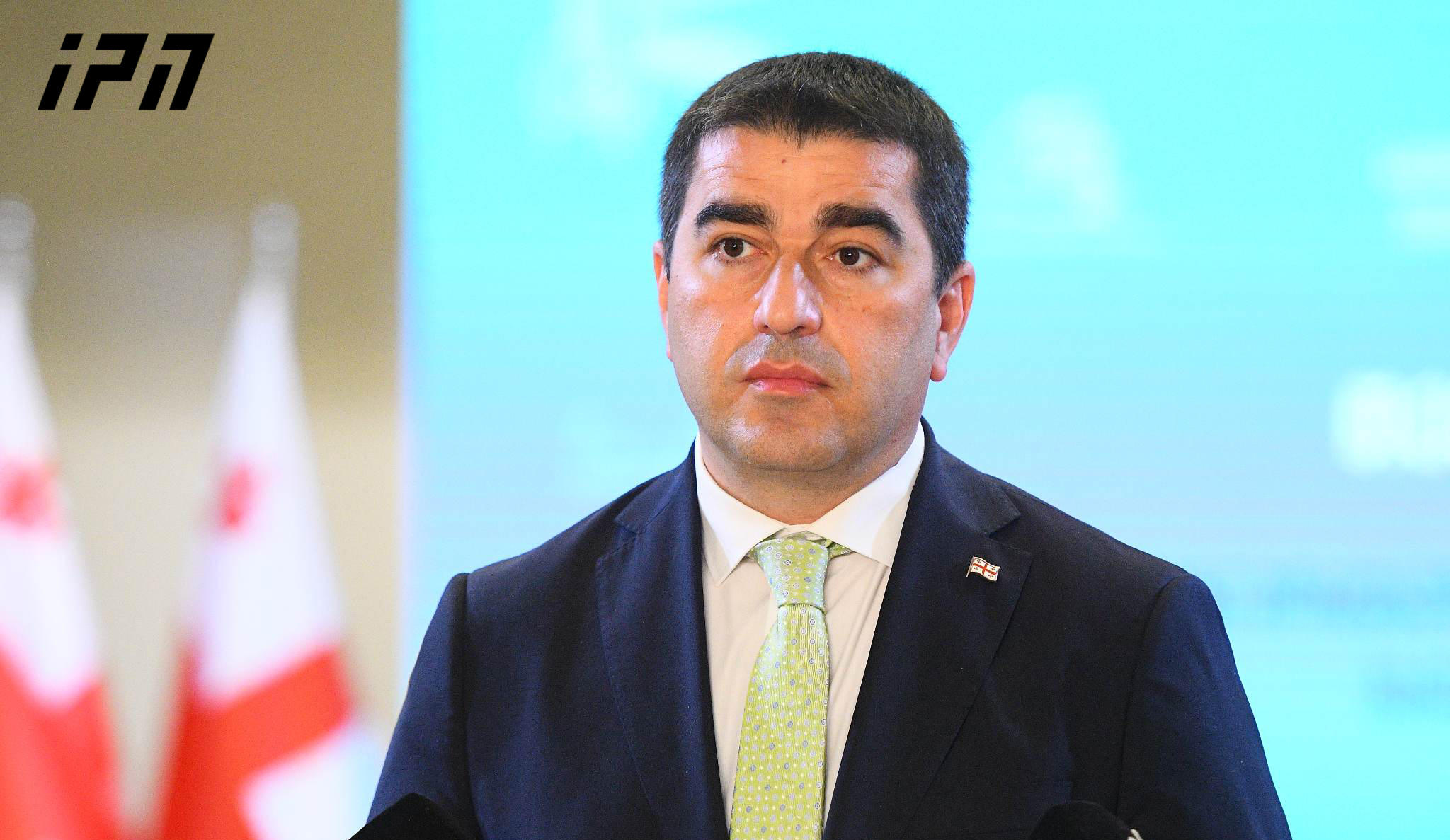
The biggest threat to Georgia’s as well as regional stability and peace is uncertainty, which can be easily exploited by aggressive powers in legal, political, and military terms. The Bucharest decision of April 2008 is a classic example, when the pledge about Georgia’s eventual membership was made while withholding the Membership Action Plan (MAP). This contradictory decision created an ambiguity that pushed Russia to exploit the geopolitical opening and further aggravate the situation, Parliament Speaker Shalva Papuashvili says in an op-ed.
According to him, with all these past doubts addressed either by Georgian government’s efforts or historic geopolitical shifts, now we see no comprehensible argument as to why Georgia cannot be admitted into NATO.
"There were four clusters of traditional but now debunked doubts that were advanced by the skeptics to hinder Georgia’s substantive progress towards membership. The first one was about trust and commitment, and Georgia passed this test with flying colors. In the last three decades, ever since becoming part of the Partnership for Peace initiative, Georgia proved, unquestionably, to be thoroughly dedicated to the values and policies of the Euro-Atlantic family of nations, having never swerved from the Western path, despite tremendous difficulties and existential dangers. To bring an example, more Georgian soldiers sacrificed their lives in the mission in Afghanistan than there was personnel per country from vast majority of NATO member nations. And, politically, suffice it to say, the Georgian Dream government integrated the clause of Euro-Atlantic integration into the Constitution, which cannot be easily changed by any, even the most skeptical political force, in the future.
Second counter-argument to Georgia’s pledge concerned the lack of democratic credentials. And it has been dealt head-on by the Georgian Dream government in the last decade. Every authoritative international ranking gives ample evidence for this claim. We understand that democracy is not a destination but a journey. However, making the journey path infinite puts Georgia into the proverbial Achilles paradox, whereas you can never reach the destination if the target keeps moving, even by an inch each time. Georgia, as a democratic state, has become unrecognizable compared to what it was a decade ago. Starting from reforming the system of checks and balances to the implementation of European standards of governance enabled Georgia to earn the European perspective and, in fairness, to distinctly qualify for the EU candidate status. Moreover, by now, Georgia has better democratic credentials in the rule of law and governance standards, and public sector integrity than some of the NATO member nations have.
Third, past deficiencies of defense capabilities have also been addressed. All NATO partners would agree without reservation. Georgia’s defense forces represent a capable fighting force by now, over 80 per cent of whom have accumulated extensive experience in international military missions worldwide. Crucial institutional and technical issues of defense have been solved. Thus, deservedly, Georgia was included into the ‘Enhanced Opportunity Partner’ grouping and is one of the most compatible partner nations, by NATO’s own admission. In essence, there are no questions left about Georgia’s defense reforms and capabilities, as NATO documents clearly state that Georgia’s relationship with NATO ‘contains all the practical tools to prepare for eventual membership’.
The fourth counter-argument was whether Georgia’s admission into NATO would contribute to regional stability or, to the contrary, ‘irritate’ Russia and make it more belligerent and prone to aggression and further damage Georgia’s chances of territorial integrity, given the Russian occupation of Abkhazia and Tskhinvali region. We can now confidently say that only a resolute response can avert disasters such as the Russian aggression against Ukraine. The only area of peace and stability is the one which is protected by NATO’s Article Five. Anywhere else falls into the grey area with potential risks of war and bloodshed.
Had Georgia already been NATO member in 2008, there would have been no war and no Russian occupation either, which further exacerbated not only Georgia’s, but, also, wider regional security predicament. Rejection of Georgia may have also contributed to the Ukrainian disaster. NATO borders show where the boundary for peace is drawn. The biggest threat to Georgia’s as well as regional stability and peace is uncertainty, which can be easily exploited by aggressive powers in legal, political, and military terms. The Bucharest decision of April 2008 is a classic example, when the pledge about Georgia’s eventual membership was made while withholding the Membership Action Plan (MAP). This contradictory decision created an ambiguity that pushed Russia to exploit the geopolitical opening and further aggravate the situation.
With all these past doubts addressed either by Georgian government’s efforts or historic geopolitical shifts, now we see no comprehensible argument as to why Georgia cannot be admitted into NATO," reads the statement.