Prosecutor on the questioning of Mamuka Bakhtadze, Levan Izoria and Davit Sujashvili in the so-called Chorchana case: All three witnesses confirmed that the checkpoint near the occupation line was established by Giorgi Gakharia’s unilateral decision and was not coordinated with them
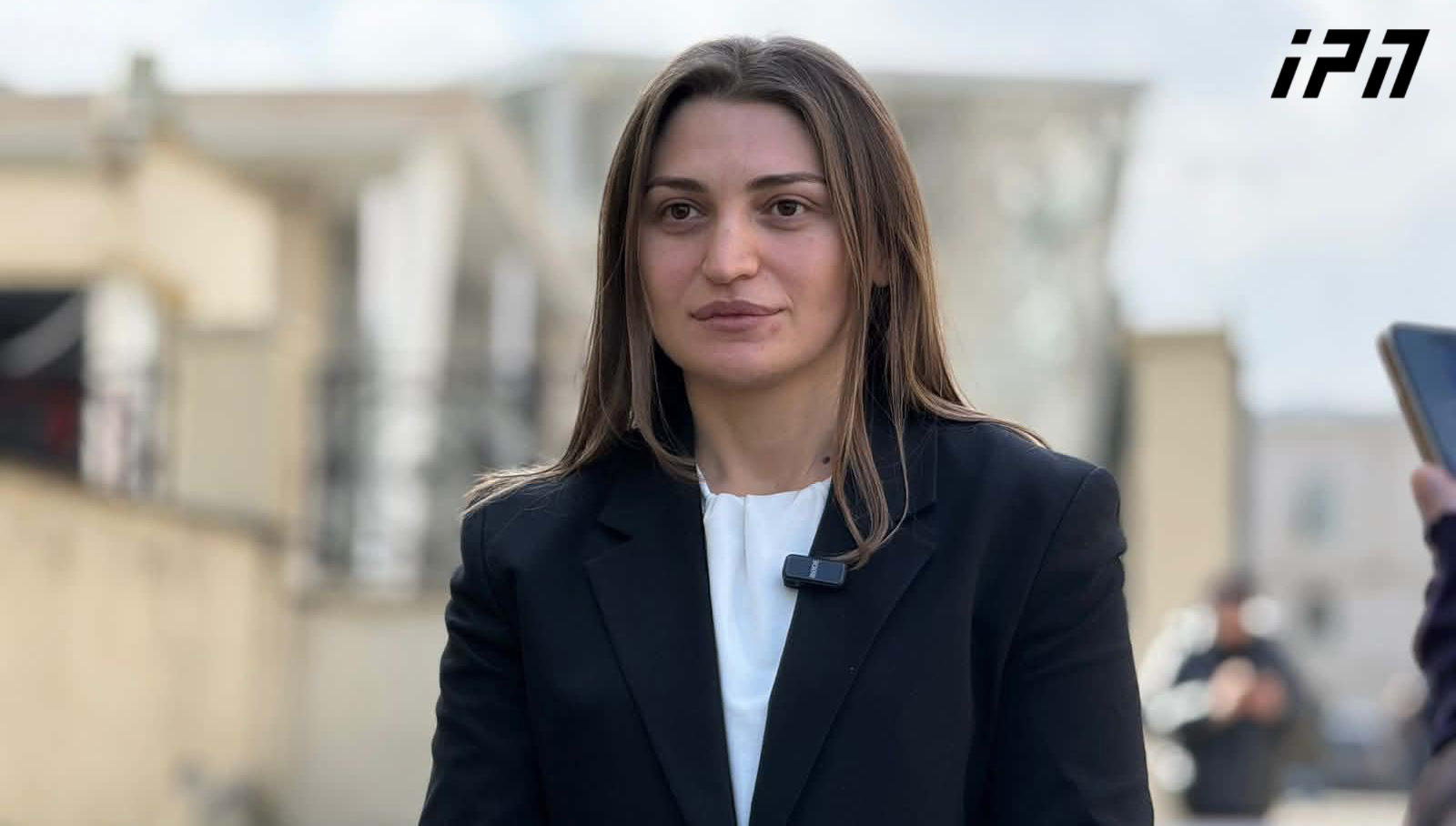
“All three witnesses confirmed that the checkpoint near the occupation line was established by a unilateral decision, and that the decision belonged to Giorgi Gakharia and was not coordinated with them,” prosecutor Tamar Iakobidze said after a court hearing concerning the so-called Chorchana case involving former Prime Minister Giorgi Gakharia.
The hearing involved the questioning of former Prime Minister Mamuka Bakhtadze, former member of the National Security Council Levan Izoria, and former head of the Intelligence Service Davit Sujashvili as witnesses.
According to the prosecutor, the witnesses stated in their testimonies that establishing the checkpoint was part of the country’s security policy and that Gakharia’s decision should have been made in coordination with them.
The prosecutor also explained the grounds on which today’s court hearing was closed to the public.
“Today, the prosecution questioned three witnesses. As you know, there is evidence in this criminal case that constitutes a state secret. At today’s hearing, the former Prime Minister, the former Defense Minister, and the former head of the Intelligence Service were questioned. Accordingly, during the proceedings, there could have been questions relating to state secrets. Therefore, in full compliance with the Criminal Procedure Code, the prosecution requested that the court hearing be closed, and the court accepted the arguments.
The parties had equal opportunities during the court hearing to ask each witness questions.
As for the witnesses, the former Prime Minister served as Chairman of the National Security Council, while former Defense Minister Levan Izoria and the former head of the Intelligence Service served as members of the National Security Council. All three witnesses confirmed that the checkpoint near the occupation line was established by a unilateral decision, that the decision belonged to Giorgi Gakharia, and that it was not coordinated with them.
An important circumstance here is that, during today’s court hearing, the witnesses provided detailed explanations of the relevant normative acts and official duties, including the functions and responsibilities of the State Security Service, the Ministry of Defense, and the National Security Council. They also explained in detail to the court why establishing the checkpoint constituted part of the security policy and why it should have been coordinated and agreed upon, which was not done by Giorgi Gakharia,” the prosecutor said.