Shalva Papuashvili: One of the singers had a concert canceled, and we saw people begin encouraging this individual, who is the author of fascist chants; these reactions further reinforce my view and confirm that we are indeed dealing with a sect
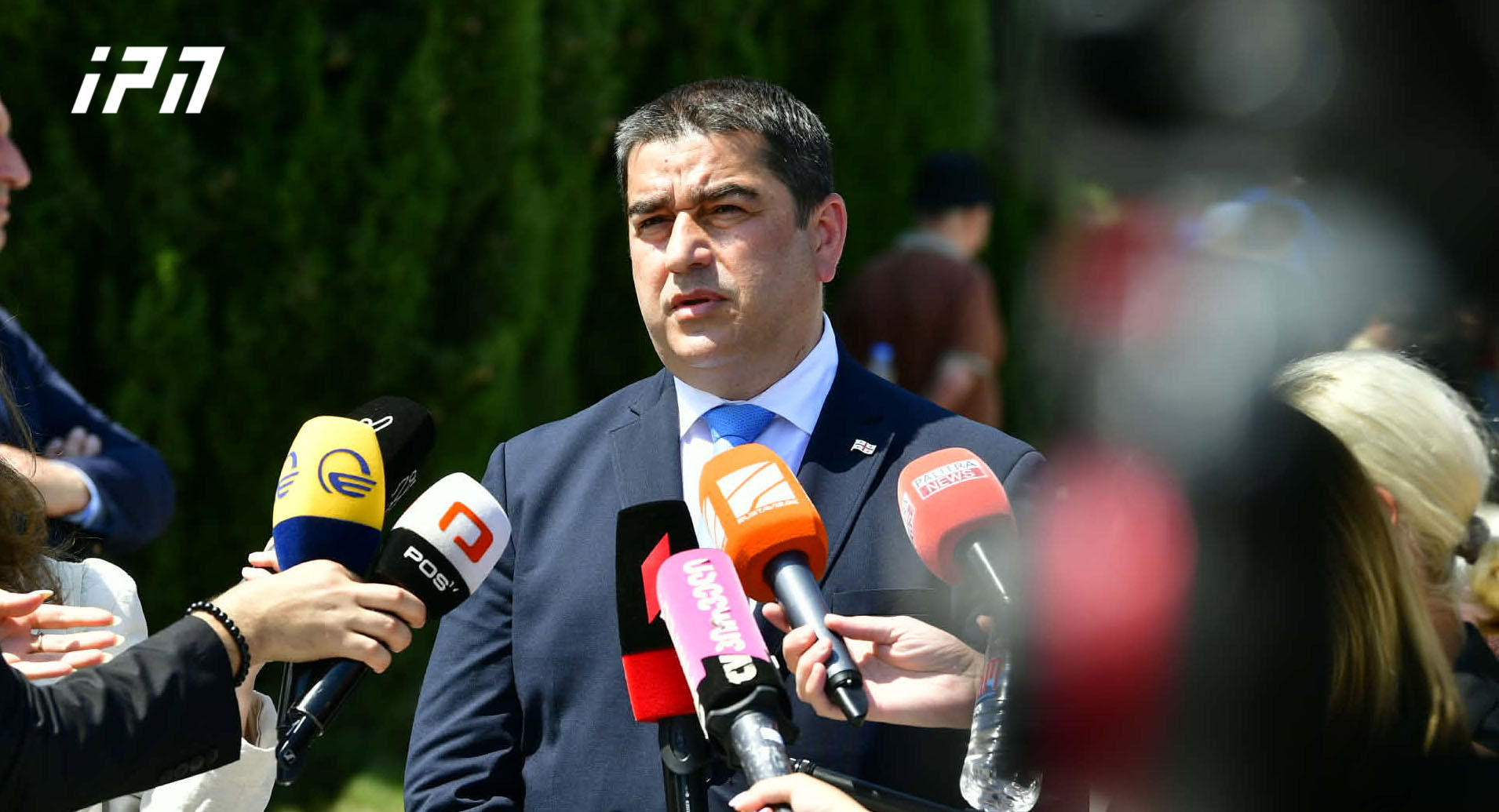
“We see their reactions to everything that, in their view, concerns what they consider sacred. They have declared foreign politicians, and even the European Union, to be sacred. We saw this recently in connection with an issue involving a singer, when it was said that a concert had been canceled. We saw people begin encouraging an individual who is the author of fascist chants,” Georgian Parliament Speaker Shalva Papuashvili told journalists in France.
Papuashvili spoke about the reaction from a segment of society to a post he had written regarding the concert. According to him, these reactions further reinforce his view that “we are indeed dealing with a sect.”
“I think I am also observing the reactions, and these reactions further reinforce my view and confirm that we are indeed dealing with a sect that is closed in on itself and divides the world into ‘our people’ and ‘others.’ We see their reactions to everything that, in their view, concerns what they consider sacred. They have declared foreign politicians, and even the European Union, to be sacred.
“They have attributed to the European Union precisely the qualities that are its opposite and presented it as something to be worshipped, as a sacred entity that must determine everything, that cannot be criticized or questioned. This is why we see such reactions to any criticism of Brussels and the European Union, or any questions concerning individual decisions, because they believe we are touching their sacred things. That is why we see absolutely fundamentalist reactions from this group.
“This group is fundamentalist because it is based on violence against those who do not share its ideology, and we have seen this violence on numerous occasions. Most recently, we saw it in connection with an issue involving a singer, when it was said that a concert had been canceled. We saw people begin encouraging an individual who is the author of fascist chants. We saw confirmation and agreement that such fascist slogans are what they call art. We also saw, unfortunately, that even the EU Delegation described insulting someone’s mother as freedom of expression and called referring to someone as a ‘slave’ part of Georgian cultural heritage,” Papuashvili said.