Salome Samadashvili: No matter how many lies Ivanishvili’s spokespeople tell us that the EU itself halted dialogue, the truth is that Ivanishvili made Georgia’s EU integration impossible through anti-democratic legislation
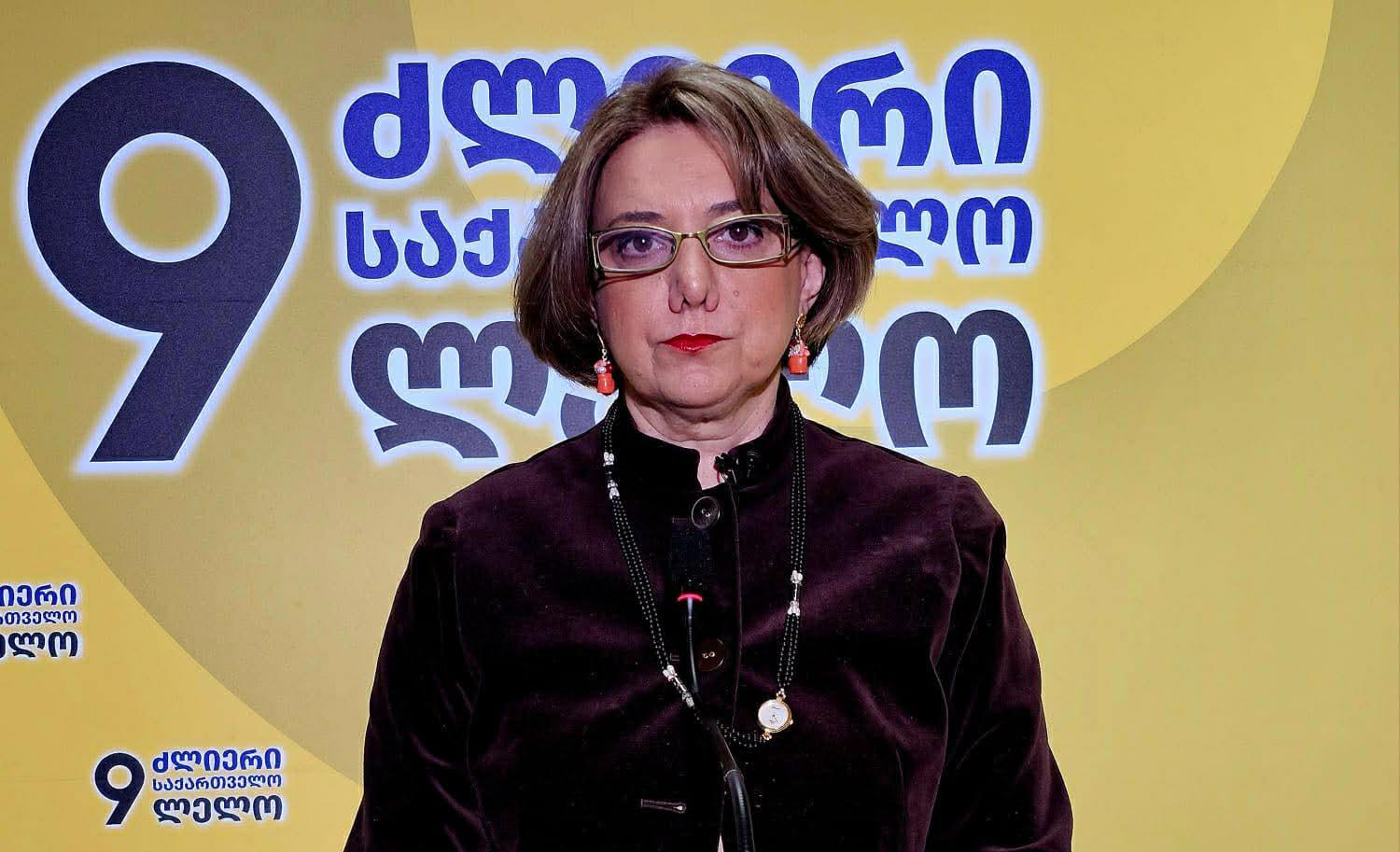
“No matter how many lies Ivanishvili’s spokespeople tell you, claiming that the European Union itself halted political dialogue with Georgia, the truth is that Bidzina Ivanishvili made Georgia’s accession to the European Union impossible through anti-democratic legislation,” Salome Samadashvili, one of the leaders of Lelo - Strong Georgia, said.
According to her, “at Russia’s instruction and demand, Bidzina Ivanishvili deprived Georgia of its historic opportunity to become an EU member state.”
“The fact that Georgia is no longer among the countries being offered accelerated action plans for EU accession should, I believe, be very clear evidence to the public of what we have been saying for a long time: at Russia’s instruction and at Russia’s demand, Bidzina Ivanishvili deprived Georgia of its historic opportunity to become an EU member state.
“No matter how many lies Ivanishvili’s spokespeople tell you, claiming that the European Union itself halted political dialogue with Georgia, the truth is that Bidzina Ivanishvili made Georgia’s accession to the European Union impossible through anti-democratic legislation. He then brought forward one of his own spokespeople, Irakli Kobakhidze, and had him announce what was effectively a refusal to continue accession negotiations with the European Union.
“This is a real act of sabotage against the Georgian state; this is a violation of the Constitution of Georgia. When the government changes, if the Georgian state survives, this shameful regime will certainly have to answer before an independent Georgian judiciary for this historic state crime,” Salome Samadashvili said.
For reference, according to POLITICO, the European Union is considering approving special “action roadmaps” aimed at accelerating the accession process of Ukraine, Moldova, Montenegro and Albania. The publication cited two senior European Commission officials as its sources.