Valeri Chechelashvili: It is clear that the existing mandate with Russia has been expanded and “conflict resolution” has been added, which is impossible unilaterally - with whom were the negotiations held? By replacing Lasha Darsalia in Geneva, is the significance of this format not being reduced?
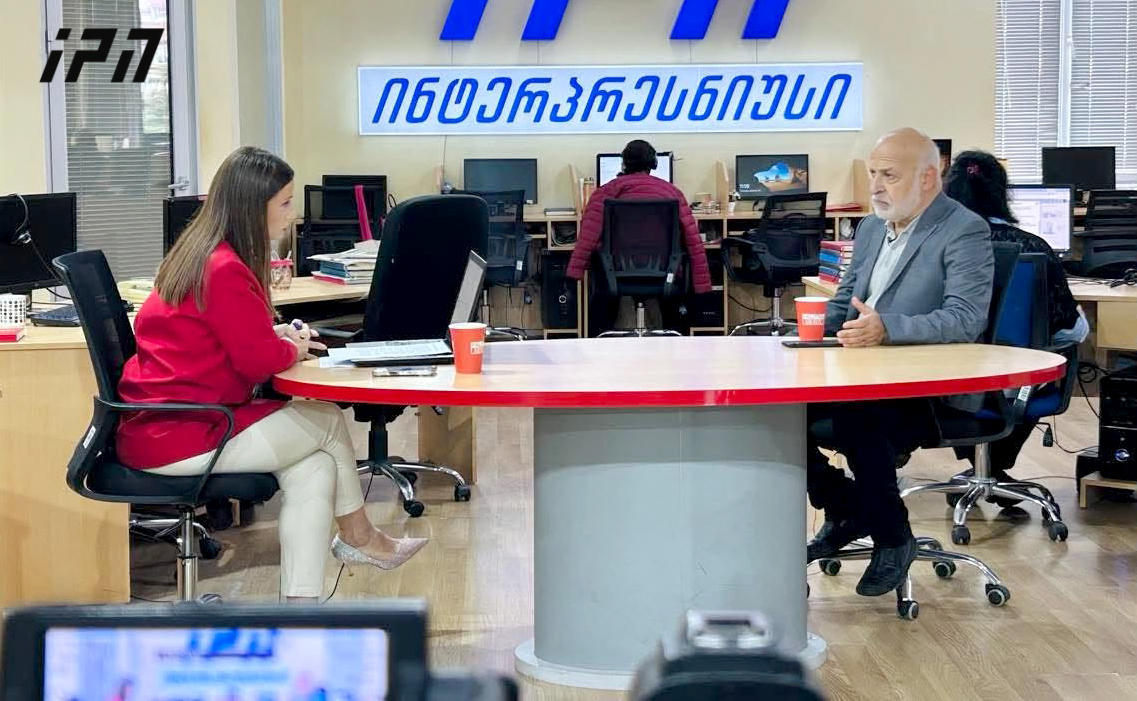
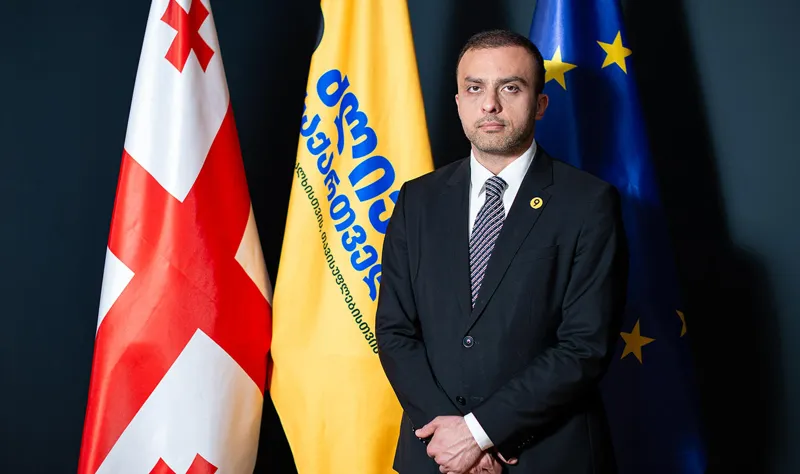
We have seen a new approach from the side of Irakli Kobakhidze; he has expanded the previously existing mandate of the Special Representative on issues of relations with Russia — as he says, this is necessary for the regulation of the conflict situation existing in Georgian-Russian relations — the question arises: with whom was the new mandate of the Special Representative agreed?! — Co-founder of “First Georgia” Valeri Chechelashvili stated this on the PalitraNews program “Day’s Newsroom,” commenting on the appointment of Giorgi Zurabashvili as the Special Representative of the Prime Minister of Georgia on issues of relations with Russia.
According to him, it is impossible to change a mandate unilaterally in international negotiations, and therefore it is ruled out that this could have happened without agreement with Russia.
“I think we need a Special Representative, because it is also necessary to talk with the enemy in order for essential situations to be resolved, but something else has attracted my attention here. The Karasin-Abashidze group had a very concrete mandate for action. This group was to work on issues of the development of trade-transport and cultural-humanitarian relations. I remember that before Zurab Abashidze stepped down from this position, he stated that this mandate had already been exhausted, because the tasks that this group had were fulfilled — transport relations were restored, visas were abolished, trade relations developed, and so on. Now we have seen some new approach from the side of Irakli Kobakhidze. He has expanded this mandate by saying that this representative is needed for the regulation of the conflict situation existing in Georgian-Russian relations. It is impossible to change a mandate unilaterally in international negotiations. [Without agreement with Russia] it is ruled out, because you cannot change a mandate unilaterally. This must be the result of some negotiations. I am now asking myself the question — with whom were these negotiations held, who conducted these negotiations, and what in reality does the new mandate about which Irakli Kobakhidze is speaking consist of?! Also, the question is very legitimate: do we need this mandate today, and in the context of the fulfillment of this mandate, what concrete instructions will the Special Representative have?! For example, if these instructions will be based on that very correct message that Irakli Kobakhidze voiced some time ago, that until the recognition of the independence of the Abkhazia and Tskhinvali regions is withdrawn from the side of Russia, no talk about the restoration of diplomatic relations will take place. If such a clear principled approach is maintained and this is voiced once again, then this will be more or less understandable, but this does not resolve the previously asked question — with whom was the new mandate of the Special Representative agreed. I think that without clarification of these issues, it will also be rather difficult for Giorgi Zurabashvili to confront his rather experienced opponents existing on the other side,” Chechelashvili stated.
As for whether the circumstance that Giorgi Zurabashvili, appointed as the Special Representative of the Prime Minister of Georgia on issues of relations with Russia, is the First Deputy Minister of Foreign Affairs raises questions, Chechelashvili says that since, presumably, Giorgi Zurabashvili will replace Lasha Darsalia in the Geneva talks, there is a certain danger that the significance of this mandate may be reduced.
“I understand the concern of experts on this issue. This is connected with the fact that, unfortunately, Mr. Giorgi’s recent statements are connected with the diminishing of the role of our Western partners and their criticism. This is a very regrettable tendency that we are generally observing in our foreign policy line. From this point of view, since he, as it appears, will replace Lasha Darsalia in the Geneva talks, who stood rather principally in the format of these talks, there is a certain danger that the significance of this mandate may be reduced. This will be very negative from the point of view of strengthening our positions. Since this is a format where our Western partners, including the European Union and the United States of America, support us. Of course, in this situation, the protection of our fundamental foreign policy interests was far simpler. If we completely transfer the context to bilateral relations with Russia, then, of course, we weaken our positions, and this is indeed a disturbing tendency, if, of course, this becomes a reality,” he noted.
As for how accidental it may be that the Prime Minister appointed a Special Representative on issues of relations with Russia in parallel with the start of the consideration of the lawsuit on the ban of parties in the Constitutional Court, Chechelashvili says that the coincidence in time does not have great significance; greater significance is attached to the fact that both processes contain very serious dangers.
“It may have been accidental, it may not have been, but I think that these two political lines — the Constitutional Court process and the appointment — would still somehow intersect in time and space. I think that the coincidence in time does not have particularly great significance. Greater significance is attached to the fact that both of these processes contain very serious dangers — if we are talking about the constitutional process, dangers for Georgia’s statehood, and second — from the point of view of strengthening our foreign policy positions. In this case, what is more important for me is that both of these processes contain very serious dangers, rather than that this coincided in time. Coincidence or non-coincidence does not really remove these risks,” Chechelashvili stated.
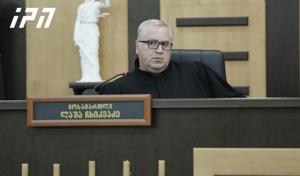
As for the issue of the ban of parties itself — Chechelashvili says that the judges should well understand that it depends on them whether Georgia will retain the prospects of rapprochement with the civilized world, or whether this will come under even greater danger.
“I think that the judges of the Constitutional Court should really well understand that a very serious burden has fallen on them. In principle, today it depends on them whether Georgia will retain the prospects of its democratic development and, accordingly, of rapprochement with the civilized world, or whether this will come under even greater danger,” Chechelashvili stated.