Marta Kos: There is no majority among the EU’s 27 member states to impose sanctions against Ivanishvili, Kobakhidze and Papuashvili – Georgia is on the connectivity agenda; we have sent many invitations, but they have not responded positively
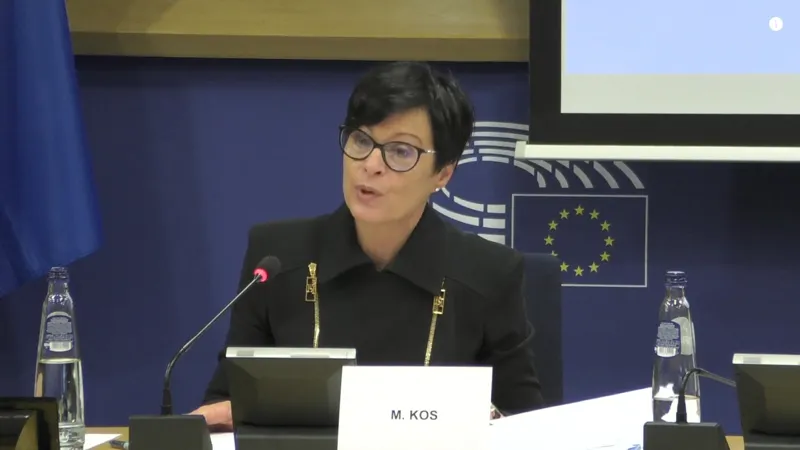
There is no majority in the European Union to introduce sanctions against Bidzina Ivanishvili, Irakli Kobakhidze and Shalva Papuashvili. The relevant statement was made by European Commissioner for Enlargement Marta Kos in a conversation with the European Parliament’s Foreign Affairs Committee.
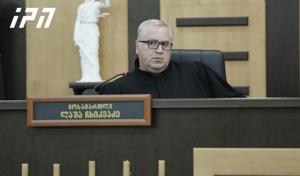
Specifically, Kos’s response followed a question from Polish MEP Krzysztof Brejza, who asked when EU sanctions would be imposed against Bidzina Ivanishvili, Irakli Kobakhidze, Shalva Papuashvili and those judges who issue politically motivated verdicts, what is blocking these sanctions, and what is being done to overcome this obstacle.
“As regards Georgia. The European Commission cannot impose sanctions; this is in the hands of our member states, i.e. the [European] Council.
I agree that something needs to be done about this and we have tried. There is no majority among the 27 EU member states to introduce sanctions against the people you mentioned [Ivanishvili, Kobakhidze, Papuashvili, the judges] and against many others,” Kos noted.
At the same time, the European Commissioner said that despite Georgia’s backsliding in the accession process, the country is part of the connectivity agenda; accordingly, Europe is trying to engage with Georgia, but there has been no positive response from their representatives.
Kos also stressed that, in terms of progress, even one small change or approximation to what is being requested of Georgia would help a great deal.
“It is clear to us that even if the country is moving backwards in the accession process, Georgia is on the connectivity agenda. We are trying to engage with Georgia; we have sent many invitations to Georgian representatives to participate. So far they have not responded positively.
We expect the [Georgian] government to make progress at least in those areas where people and civil society are most affected. One small change or approximation to what we are asking of Georgia would help us a great deal in this regard,” Kos stated.